September 22nd - 28th
On 22nd September…
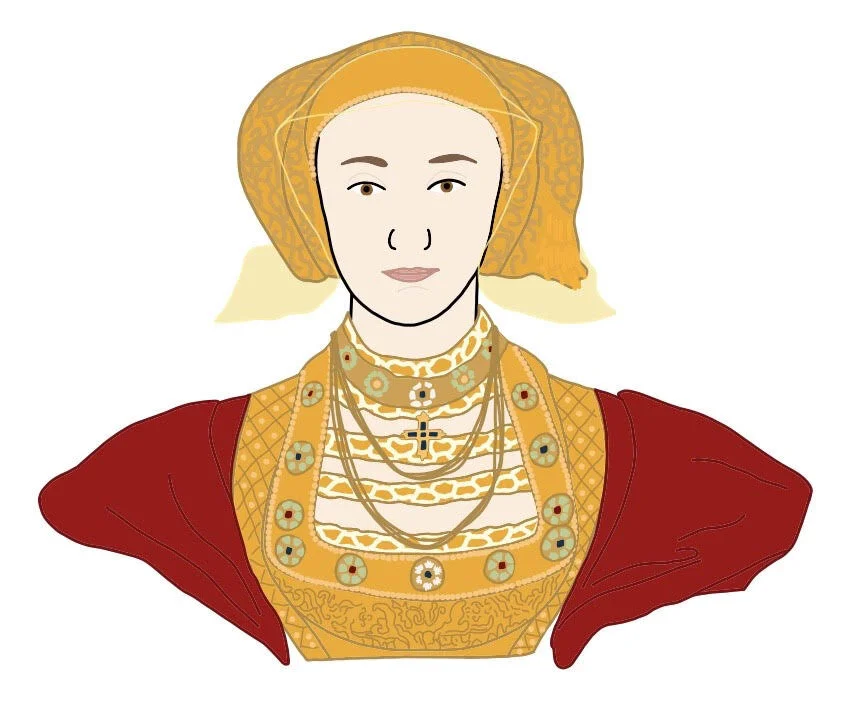
1515 - Anne of Cleves was born
1515 – Anne of Cleves was born, she was Henry VIII’s fourth wife. Their marriage was chosen to form a political alliance and had been agreed to before they had even met. Unfortunately, upon meeting Anne, Henry decided that he did not find her attractive and did not want to marry her, but it was too late to back out and cancel the wedding.
Luckily, Henry VIII was now Head of the Church of England and could divorce Anne without getting permission from the Pope. Their marriage lasted just a short while and within six months of being at the Royal Court she was asked to leave. Anne possibly had the last laugh, unlike the other wives she was awarded a generous allowance and given estates to live in, she was also invited to Court for special events such as Christmas. Anne of Cleves is the only one of Henry VIII’s wives to be buried at Westminster Abbey.
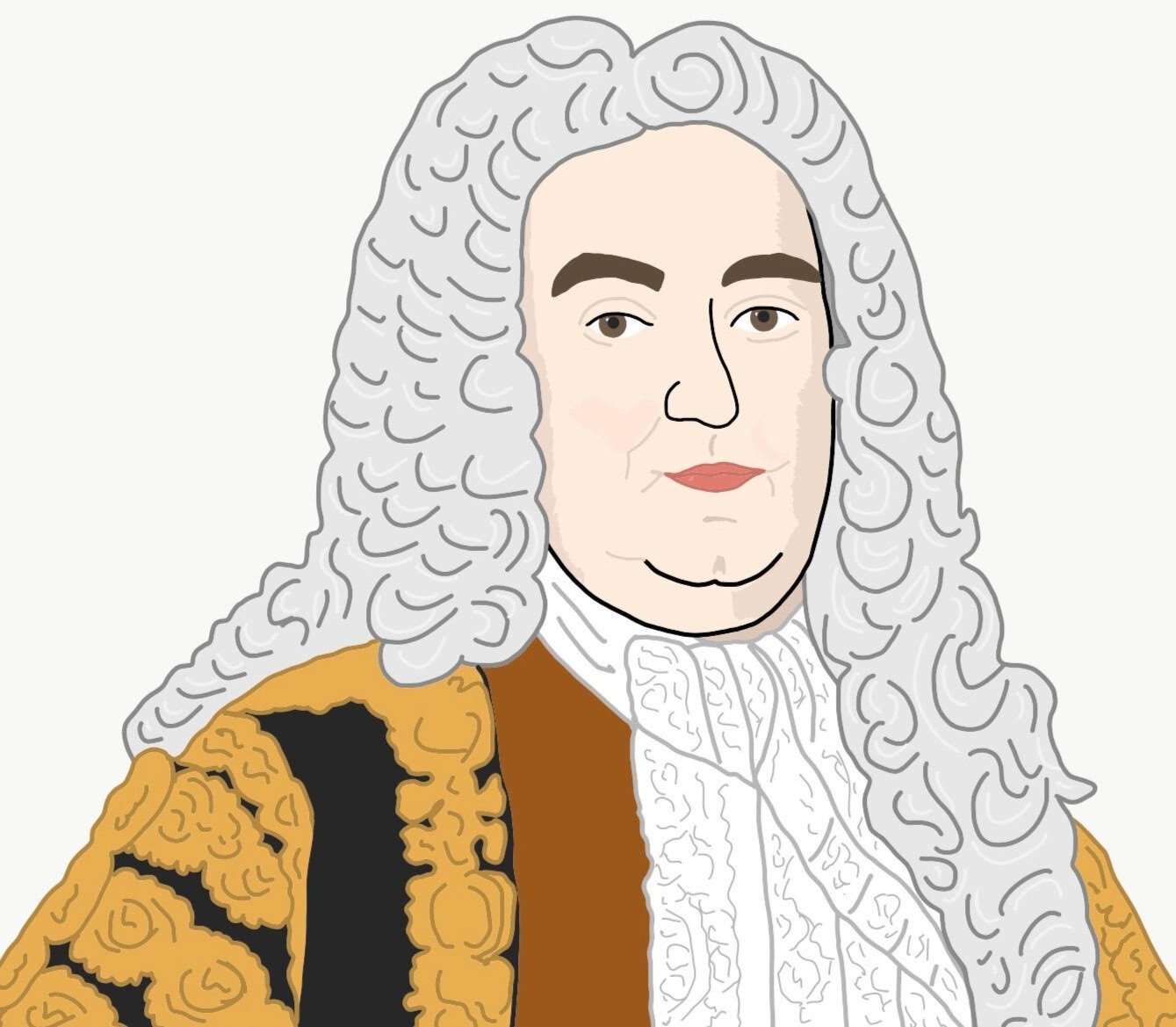
1735 - The first Prime Minister moved into 10 Downing Street
1735 – Robert Walpole became the first Prime Minister to live at 10 Downing Street. The property was a gift from King George II but instead of accepting this personal gift, Robert Walpole asked the king to make it the official residence of the British Prime Minister to be passed on with each leadership.
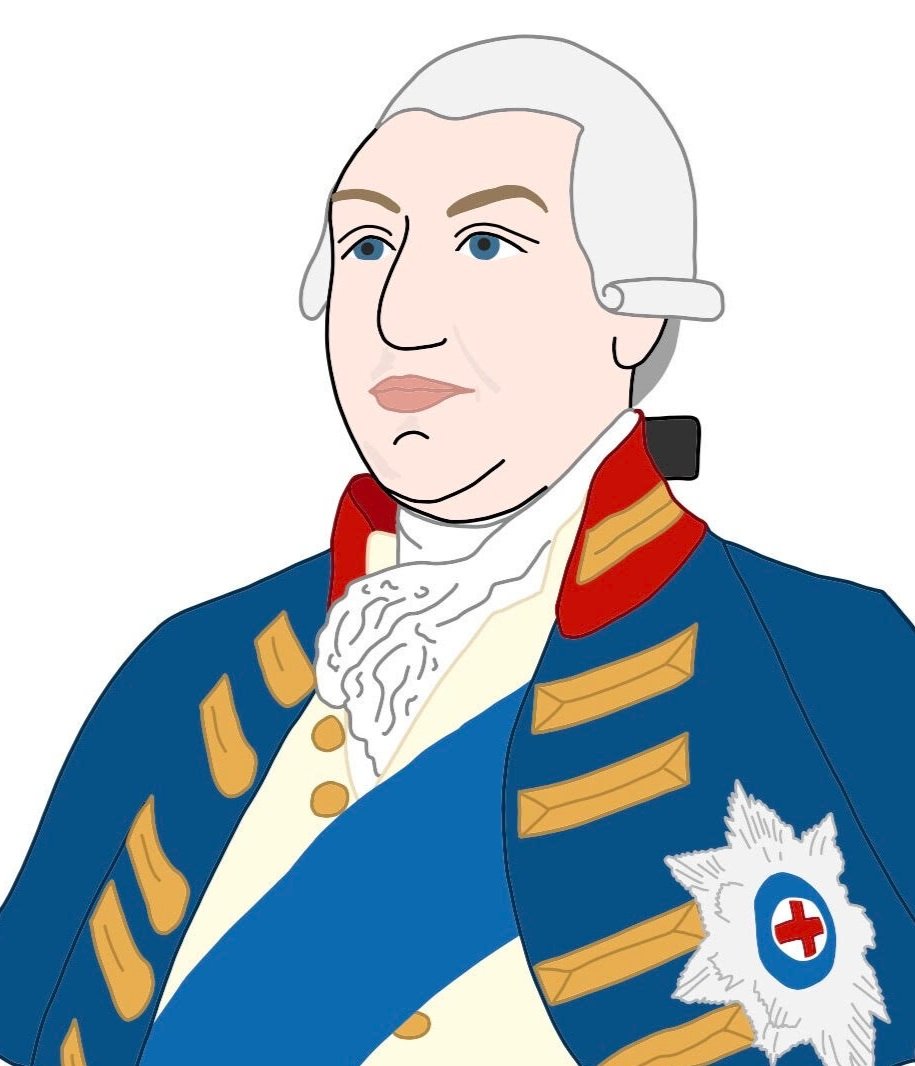
1751 - George III was crowned King
1761 – King George III of England was crowned at Westminster Abbey. His wife was crowned Queen Charlotte alongside him. Their procession started out from St James’s Palace at 11:00am where they were carried in sedan chairs along the route to the Abbey. The procession was so long that the coronation ceremony didn’t start until 3:30pm; the two buildings are only a mile apart.
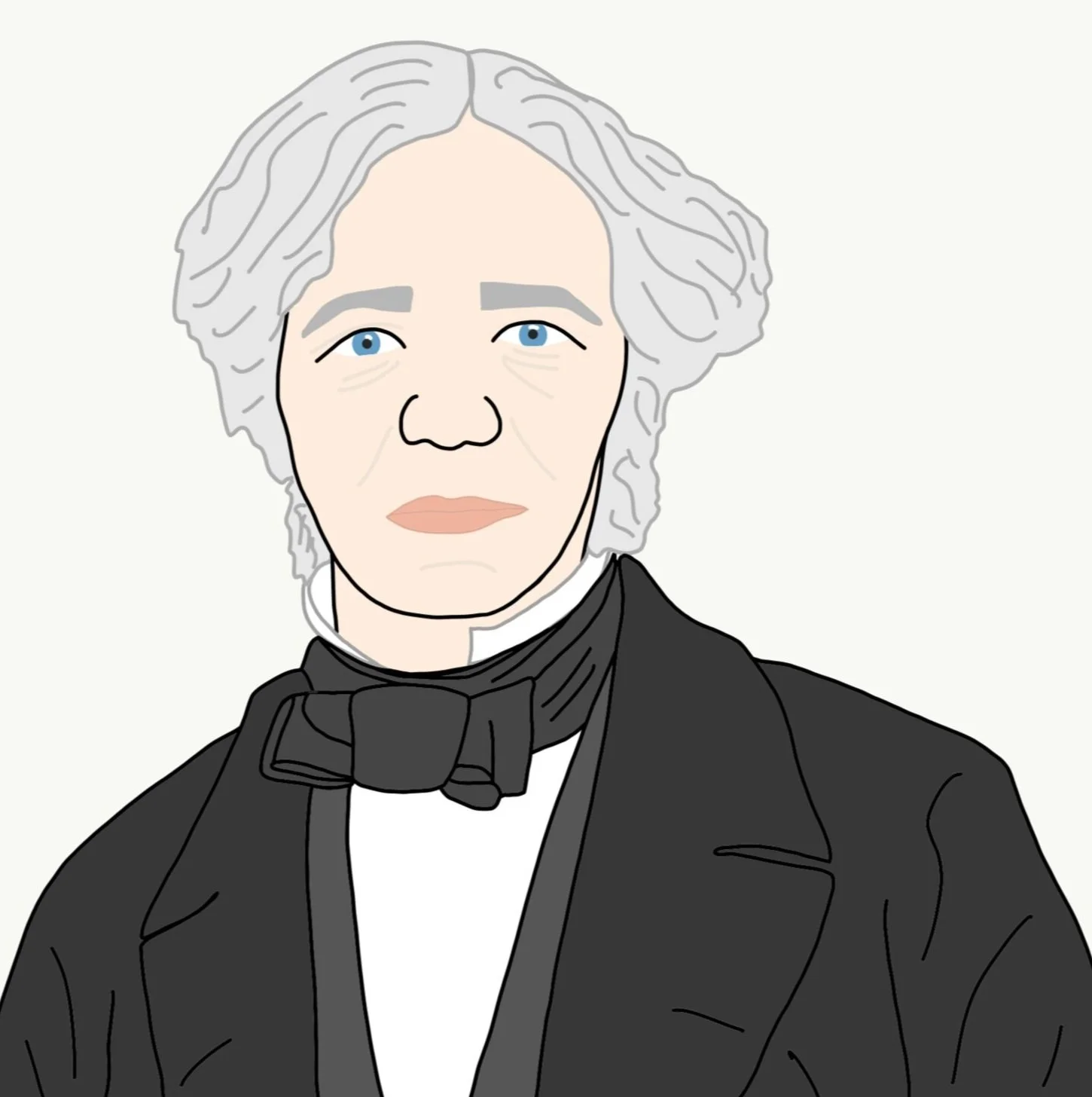
1791 - Famous scientist, Michael Faraday, was born in Surrey
1791 – Michael Faraday the English scientist who discovered electromagnetic induction and invented the electric motor was born in Surrey, England.
1870 – Charlotte Cooper the first female Olympic champion was born in Ealing, London England. She won a gold medal in tennis at the 1900 Olympics held in Paris, France. Unlike today, athletes back then wore clothing on the court similar to the clothing they wore off court; a skirt down to the ground with a buttoned-up long sleeved blouse and tie. It must have been very difficult for her to play tennis without tripping over her skirt.
On 23rd September…
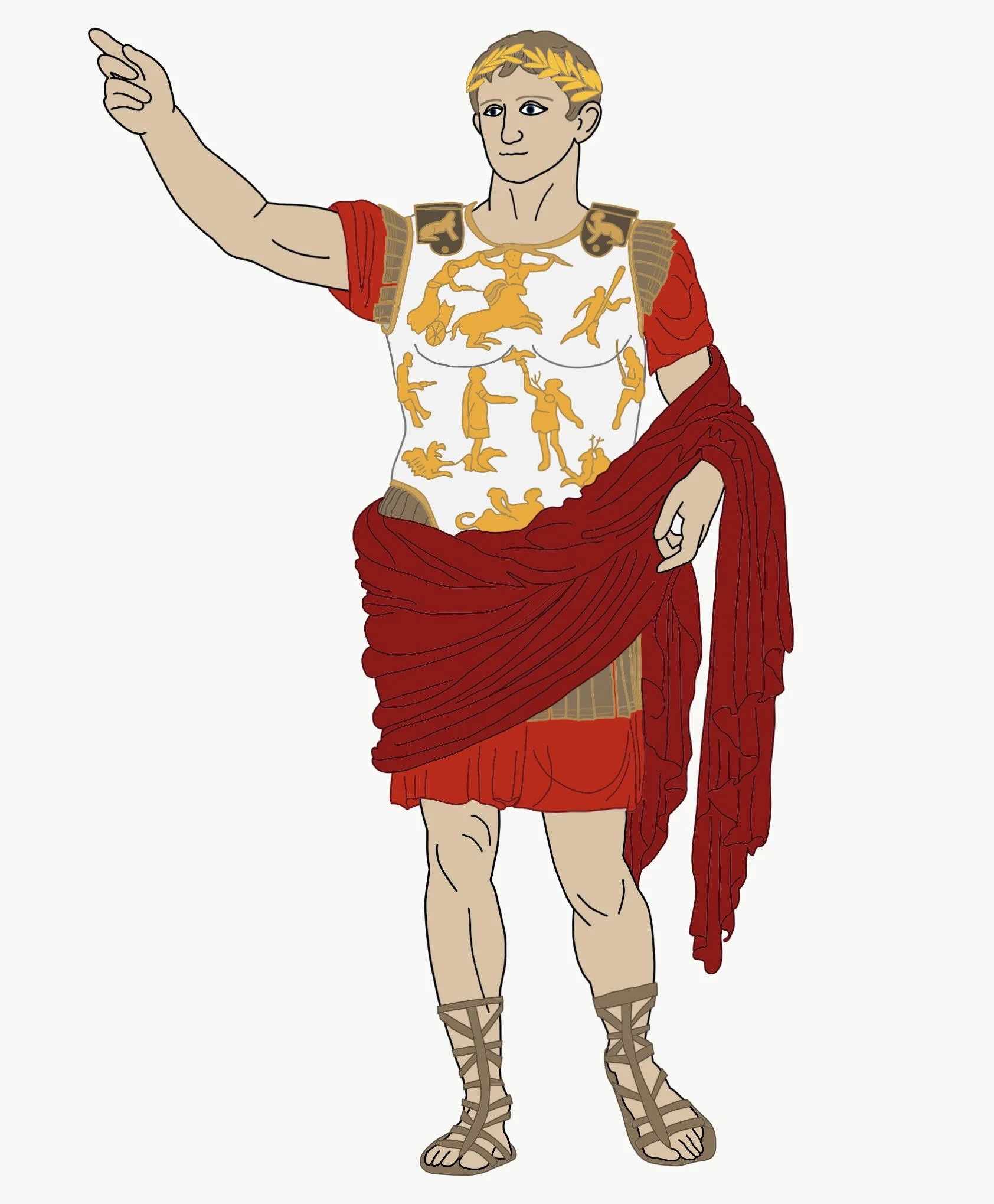
63 BCE - The first Emperor of Rome was born
63BCE – Augustus Caesar was born in Rome. He was the great-nephew and adopted son of Julius Caesar who went on to become the first Emperor of Rome.
1215 – Kublai Khan was born in Mongolia. He was the grandson of Genghis Khan, the founder and first ruler of the Mongolian Empire. Kublai also became Emperor of the Mongols and expanded his empire into China where he conquered the Song Dynasty and founded the Yuan Dynasty of China.
1459 – The Battle of Blore Heath took part in Staffordshire, England. It was the second battle of the English Wars of the Roses and a victory for the House of York led by the Earl of Salisbury. Despite being heavily outnumbered by the Lancastrian forces, the House of York won the battle. The Wars of the Roses was a series of battles between cousins who headed the House of York and the House of Lancaster, over who had the rightful claim to the throne of England. Both cousins, Richard Duke of York (House York) and King Henry VI (House Lancaster) claimed the right to be king through their relationship to King Edward III. Had it not been for Henry VI’s bouts of madness and lack of leadership skills his cousin Richard might not have intervened and the wars might never have happened.
On 24th September…
1564 – William Adams the English explorer, who became the first Englishman to reach Japan, was born in Kent. He first arrived in Japan in 1600 on a ship that was originally headed for Indonesia but had been battered and blown off course by storms. At this time not many Europeans had been to Japan and it is believed that the first were Portuguese mariners blown off course in 1543. William Adams was summoned to a city called Osaka where he was detained and questioned by the shogun, Tokugawa Ieyasu. The shogun was a military ruler who held a lot of control and demanded a lot of respect. Tokugawa Ieyasu, was so impressed with Adam’s knowledge of ships and navigation that he released him and made him one of his confidantes.
However, despite his new found position in Japanese society, Adam’s was refused permission to return to his family in England. He became permanently settled in Japan and raised a new family. Adam’s became known as Anjin (Pilot) and oversaw the construction of western style ships, and officiated, or became responsible for negotiations, between the shogun and European traders who soon began visiting Japan.
On 25th September…
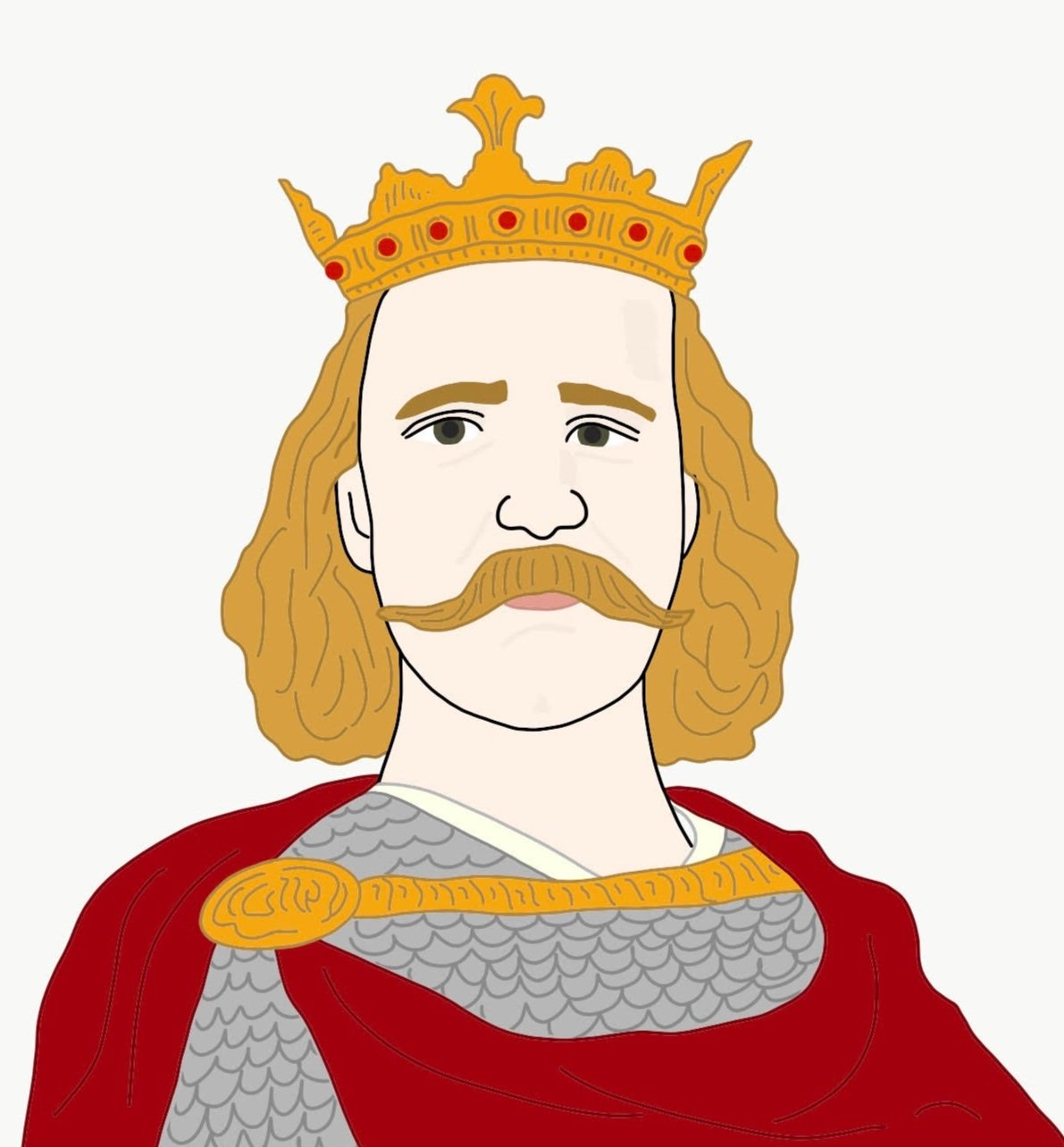
1066 - King Harold II victorious at Stamford Bridge
1066 – The Battle of Stamford Bridge took place between King Harold (Godwinson) II of England and an invading army of vikings led by a contender to the English throne, King Harald (Hardrada) III of Norway,. Hardrada was accompanied by the King of England’s brother Tostig.
Despite being exhausted from their 185-mile march north, covering the distance in just four days, King Harold II and his army easily defeated the Vikings. The invading army was taken completely by surprise because they did not expect King Harold and his army to march north and attack.
In the fierce fighting that followed, both King Harald Hardrada III, and his accomplice Tostig, were killed. It was reported that of the 300 enemy ships that arrived on the shores carrying the Vikings, only 24 were needed to take the survivors back to Norway.
On 26th September…
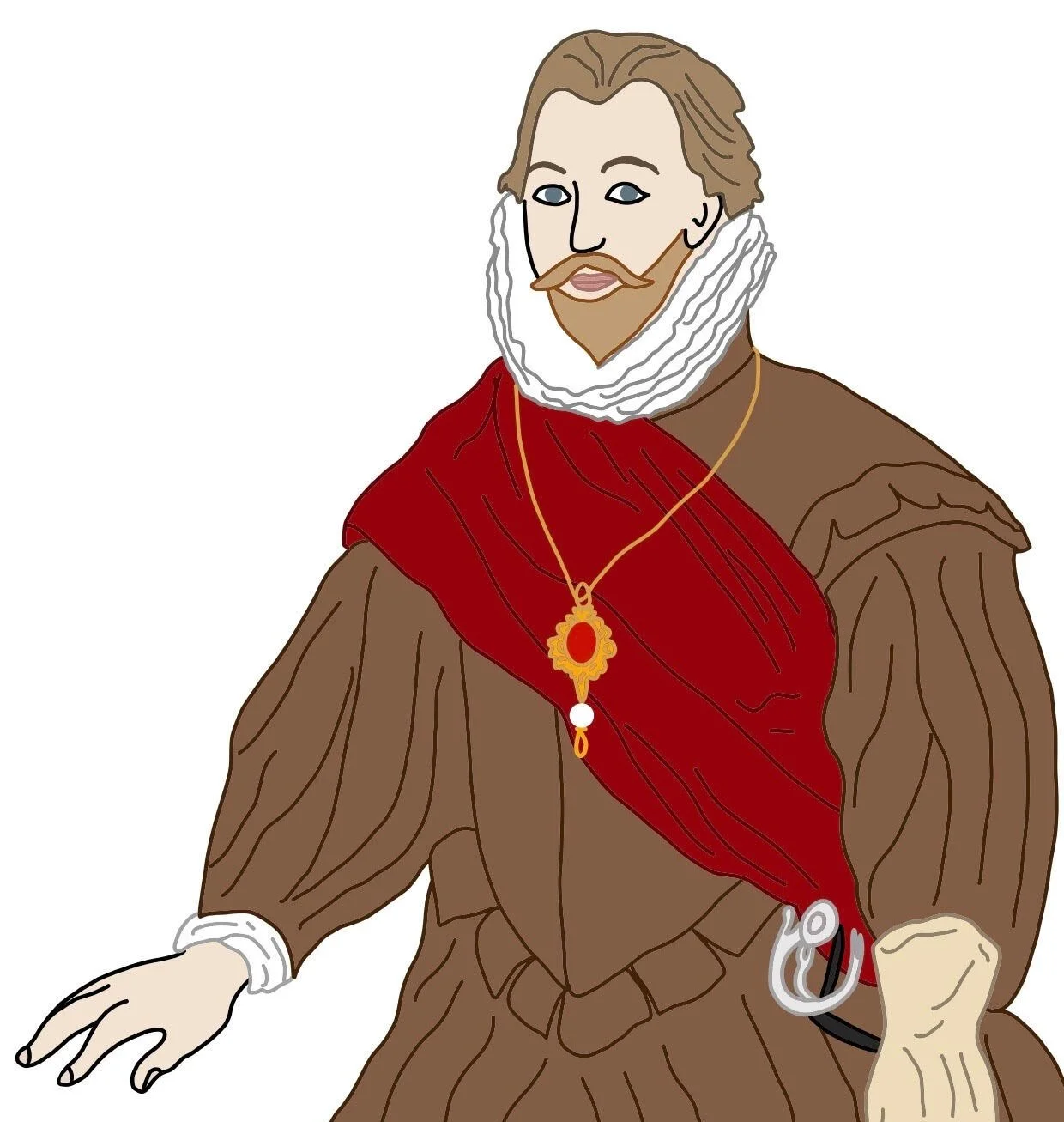
1580 - Francis Drake returned to England after circumnavigating the globe
1580 – Sir Francis Drake returned to Portsmouth having become the first Englishman to circumnavigate, or sail all the way around, the world. He had set out three years earlier with the permission of Queen Elizabeth I to explore the west coast of the Americas and at the same time to cause havoc to Spanish ships along the way. (England and Spain were not friendly at the time.) Sir Francis Drake took this permission to devote his voyage to acts of piracy against all the Spanish ships he encountered. When he returned to England aboard his ship, The Golden Hind, it was laden with treasures and spices from around the globe. When the ship was moored on the river Thames in London, Queen Elizabeth I went aboard the ship to greet Drake and bestow a knighthood him.
1973 – Concorde made its first non-stop crossing of the Atlantic in a recording breaking time of 3 hours and 33 minutes. Concorde was the first supersonic passenger carrying aircraft. Its fastest flight across the Atlantic occurred in 1996 when it completed the journey in just 2 hours and 52 minutes. The average flight from London to New York today takes about 7 hours.
On 27th September…
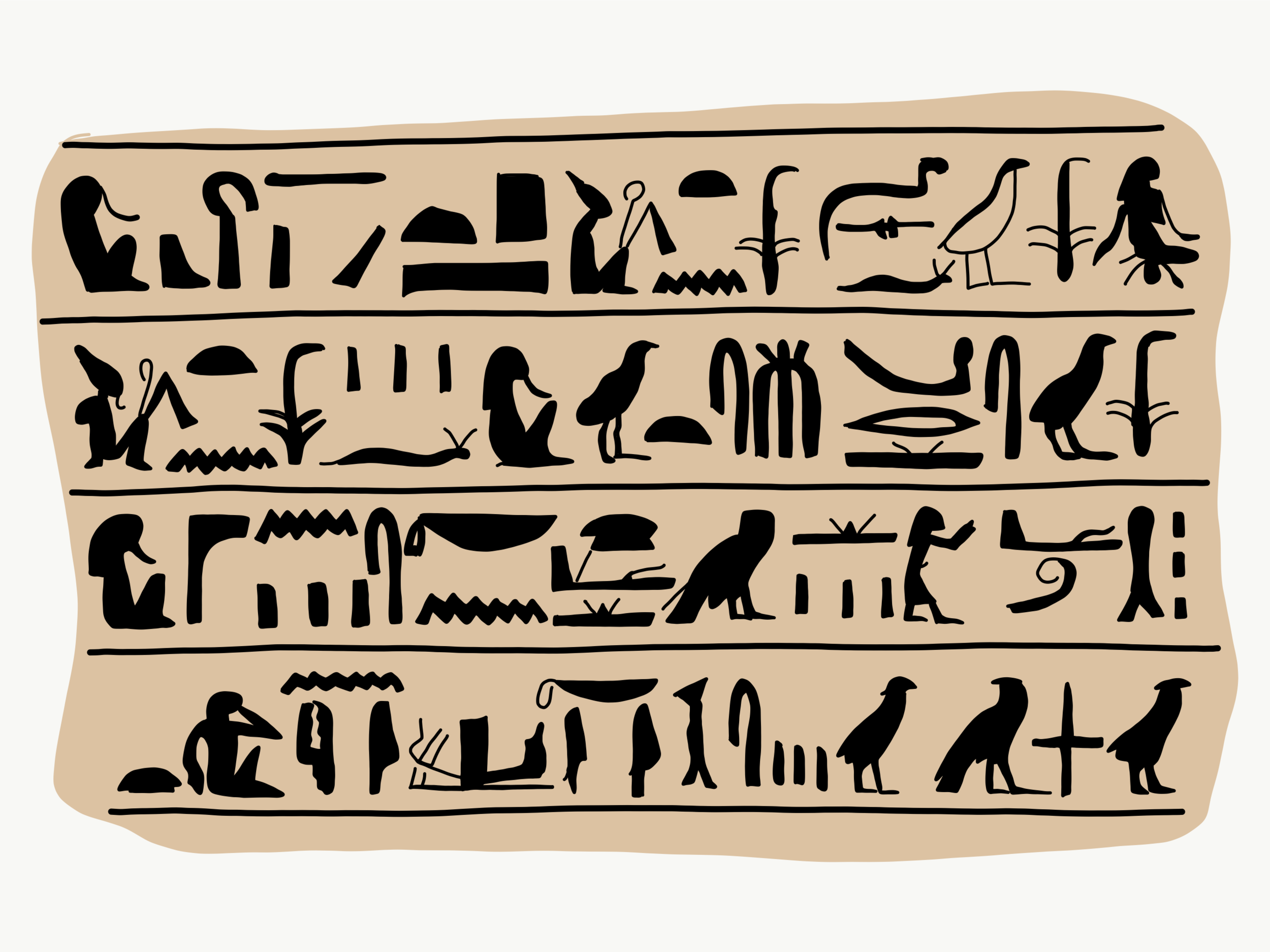
1822 - Egyptian heiroglyphs were decoded
1822 – Egyptian hieroglyphs were deciphered by Jean-Francois Champollion, a French scholar, by using the Rosetta Stone. Champollion could already speak Greek and Coptic the two other languages inscribed on the stone and after years of research and study he finally managed to work out that the hieroglyphs were not just pictures but phonetic sounds. The inscription written on the Rosetta Stone is a decree passed by a council of priests affirming Ptolemy V as pharaoh on the first anniversary of his coronation. The Rosetta Stone is on display in the British Museum in London.
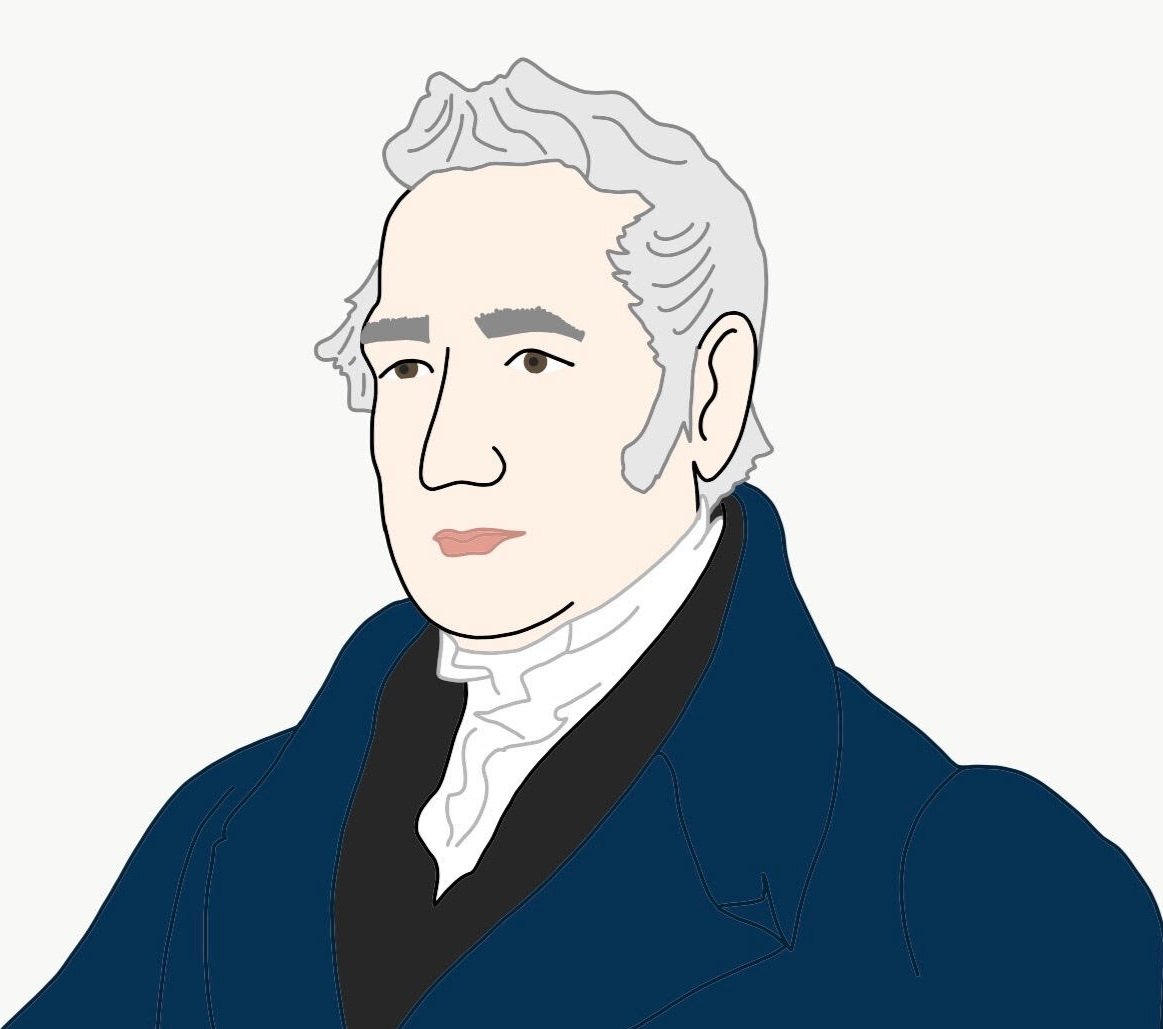
1825 - The first passenger train takes a trip
1825 – George Stephenson’s locomotive No.1 became the first steam locomotive to carry passengers along the first railway track to operate both freight and passengers. - the Stockton-Darlington Railway. Stephenson drove his train at a speed of 15 miles per hour pulling wagons carrying 450 passengers.
On 28th September…
551BCE - Confucius, who is known in China as Kongzi or Kongfuzi (Master Kong) was born. He was a sage (wise man) scholar and philosopher who is known as the first teacher in China. He is remembered throughout East Asia on this day; in Taiwan it is an official holiday called Teachers’ Day.

1066 - William landed in England, ready to Conquer
1066 - William, Duke of Normandy landed with about 700 ships at Pevensey Bay on the south coast of England to make his claim on the English throne. He immediately started to build a fortification, to shelter his army, within the walls of the Roman fort which once stood there. The next day he marched along the coast to Hastings and waited for King Harold II to arrive from his recent victory against the Vikings at Stamford Bridge near the city of York.
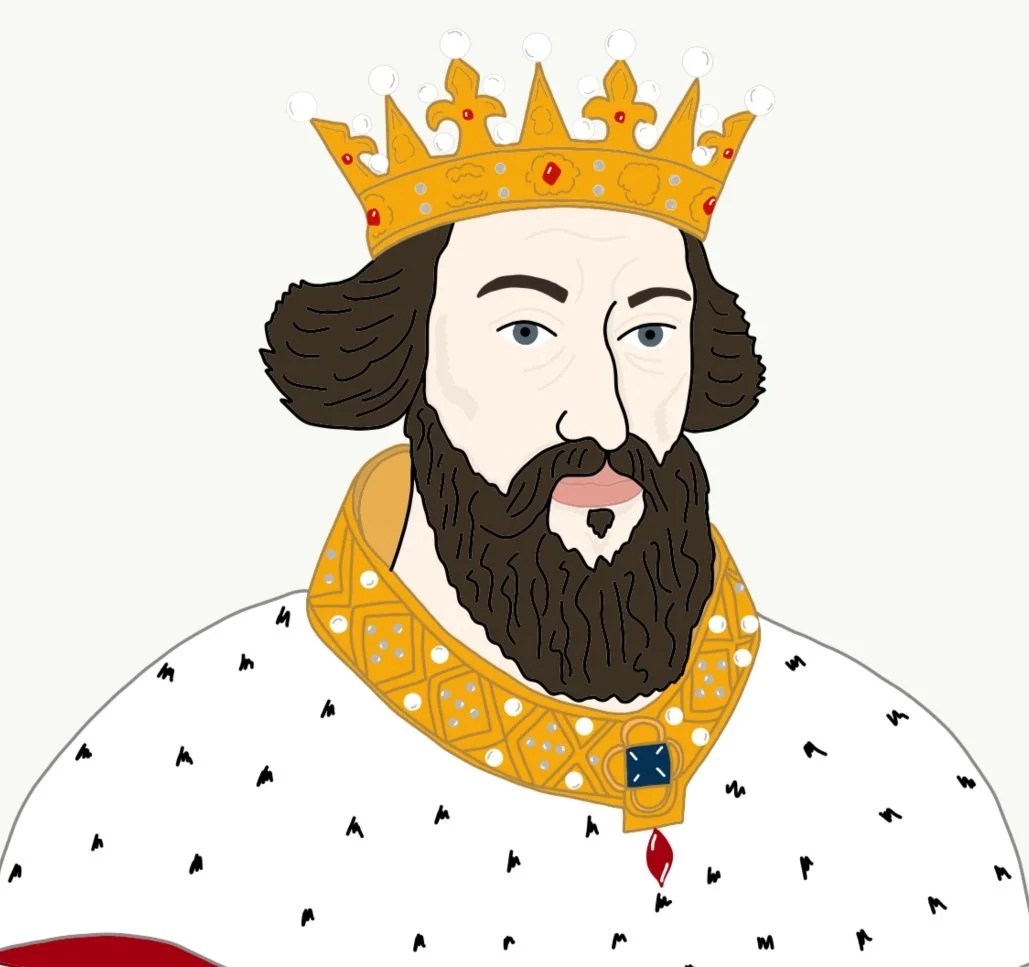
1106 - King Henry I victorious at Tinchebray
1106 - King Henry I (son of William the Conqueror) defeated his own brother, Robert Curthose, at the Battle of Tinchebray in Normandy. Robert believed that he had more right to the English throne than Henry because he was the older brother.
The argument between the two brothes began when Richard believed Henry had something to do with the suspicious death of their other brother William Rufus. who had been King of England when he died in a hunting accident in the New Forest. Suspicions arose as to whether it was an accident or not when Henry had raced to claim the throne instead of seeing to his dying brother.
Robert was captured and held prisoner until he died in 1134.
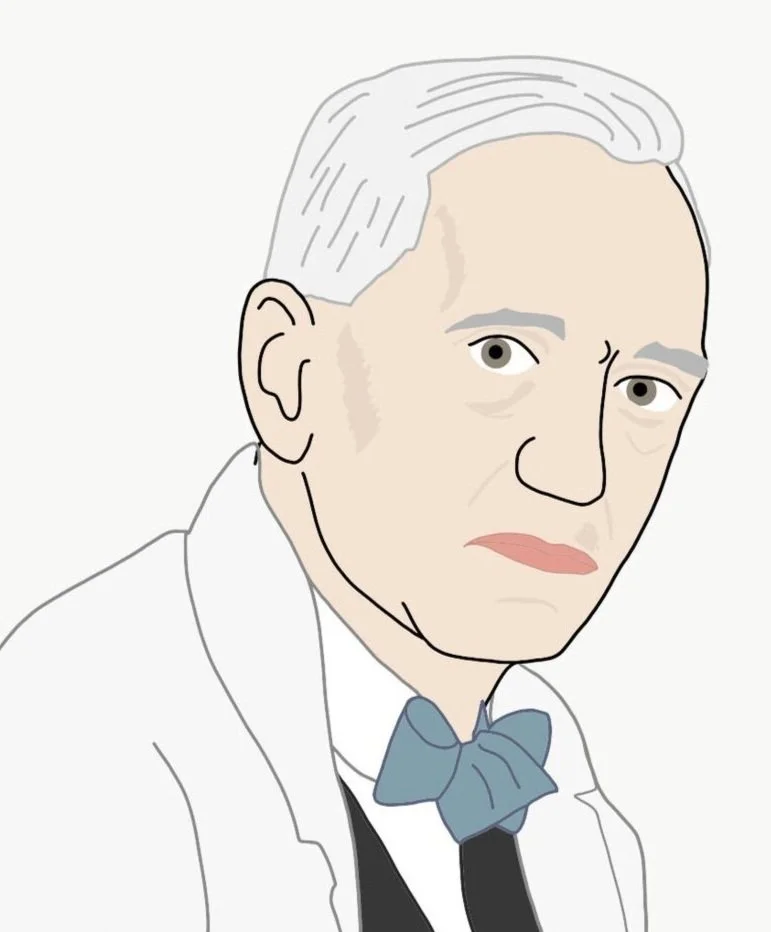
1928 - Penicillin was discovered by accident
1928 - Alexander Fleming discovered penicillin. He had accidentally left an uncovered petri dish containing bacteria by an open window before going away on summer break. Upon returning to the laboratory Alexander noticed that the dish had became contaminated with mould spores, and more importantly that the bacteria in the dish near to the mould was dying. He isolated the mould and tested it further, finding it could kill a number of different bacteria. He called the mould - penicillin.