September 15th - 21st
On 15th September…
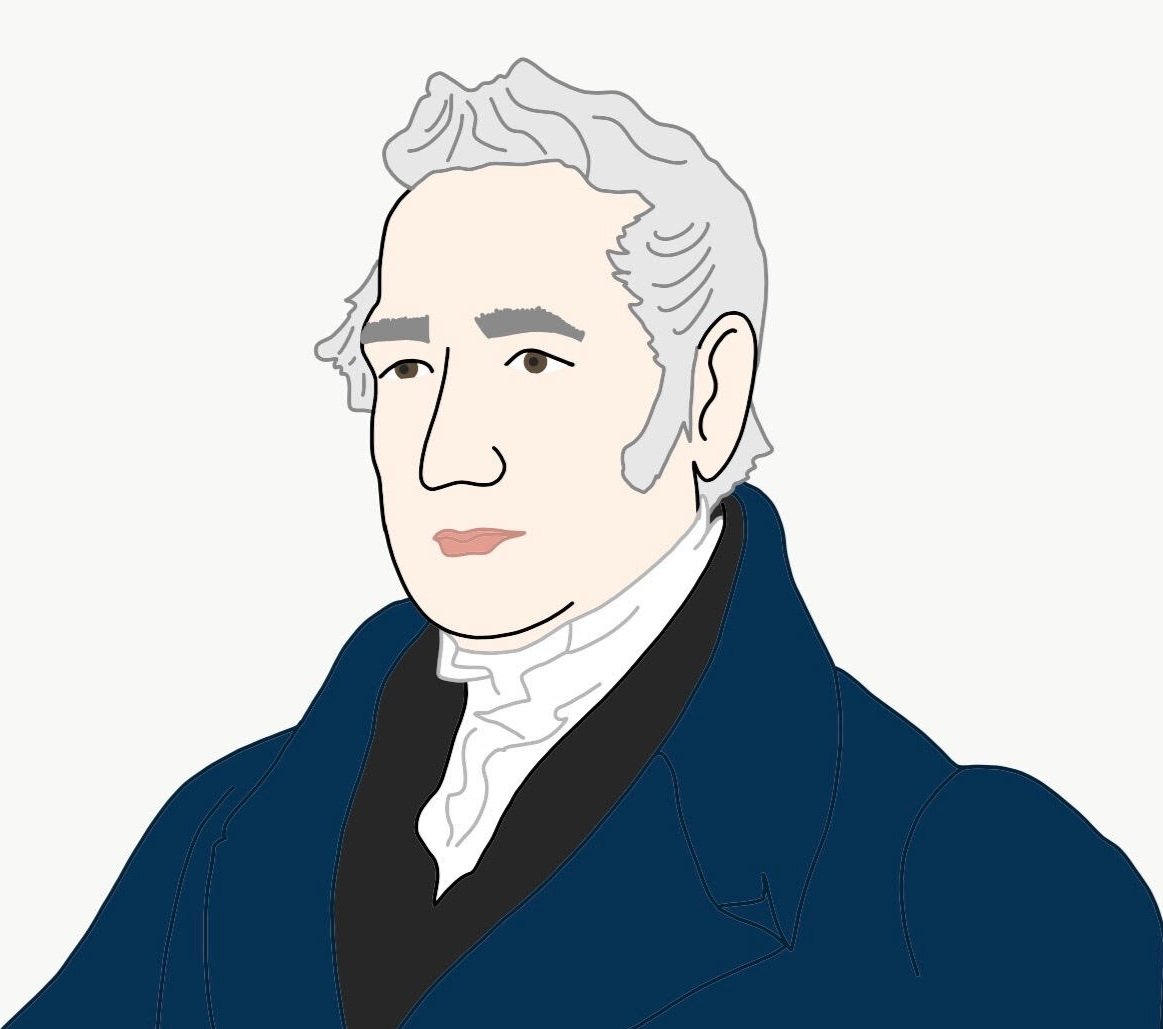
1830 -George Stephenson’s Manchester Liverpool railway opened
1830 - The Manchester and Liverpool Railway, designed and built by George Stephenson, was opened. It was the first inter-city railway designed to transport both passengers and goods between Manchester and Liverpool. During the opening ceremony William Huskisson an MP was fatally wounded whilst crossing the track to shake hands with the Prime Minister, the Duke of Wellington. He was the first person to be killed by a train.
1859 - Isambard Kingdom Brunel died of a stroke. He was a famous Victorian engineer who designed many bridges, tunnels and railways including the Great Western Railway and the Clifton Suspension Bridge. He also designed the first iron steamship, the SS Great Britain.
1890 - Agatha Christie, the famous English crime writer, was born in Torquay, Devon. She wrote 66 detective novels and 14 short story collections as well as over 30 plays. Her books have been translated into over 100 languages and have sold over 2 billion books (yes, over 2 billion - 2,000,000,000 - only the Bible and Shakespeare have sold more). Two of her best loved characters are the detectives Hercule Poirot and Miss Marple.
1916 - Tanks were first used by the British Army in warfare at the Battle of Flers-Courcelette during World War I. The first tanks were very slow and unreliable; of the 49 deployed for use only 25 actually moved forward at the start of the attack.
1984 - Prince Harry was born in London. He is the youngest son of King Charles III and is currently 5th in line to the throne.
On 16th September…

1386/7 -Henry V was born
1386 or 87 - King Henry V was born in Monmouth, Wales. He became king when he was about 25 years old after his father King Henry IV died. Henry V is best known for defeating the French at the Battle of Agincourt.
Did you know that when he was 16 years old he was hit in the face by an arrow which lodged itself 6 inches (15cm) into his skull and had to be removed by surgeons on the battlefield? They made special tongs to remove the arrowhead from the young warrior prince without the use of an anaesthetic. The wound left an ugly scar which is why the King’s portraits are all of his profile.
1400 - Owain Glyndwr began a Welsh revolt against the rule of King Henry IV of England. Owain was declared Prince of Wales by his followers and was the last native Welshman to hold the title. He re-conquered and ruled Wales for several years before the English regained control. Not much is known of Owain Glyndwr after 1412 but he remains a Welsh national hero.
1620 - The Mayflower set sail for a third time bound for America with 102 pilgrims on board, this time they were successful and continued on their journey without having to return to port. They were travelling to America where they planned to establish the first permanent colony. The pilgrims were seeking religious freedom and a fresh start in a country where they would be able to worship God without the persecution of the Church of England; religion was a strict business in the times of the Tudor and Stuart monarchies, and you could be executed for not following the same religion as the king or queen. The Mayflower had originally been accompanied by a ship called the Speedwell, but disaster and damage had struck the Speedwell twice after setting out on their journey. On the thrid attempt the Mayflower set off for America alone, carrying all passengers and cargo that had been originally shared between the two ships. This made the ship a lot heavier and slower than before and their journey across the Atlantic took them a lot longer than anticipated; they arrived during a cold harsh winter.
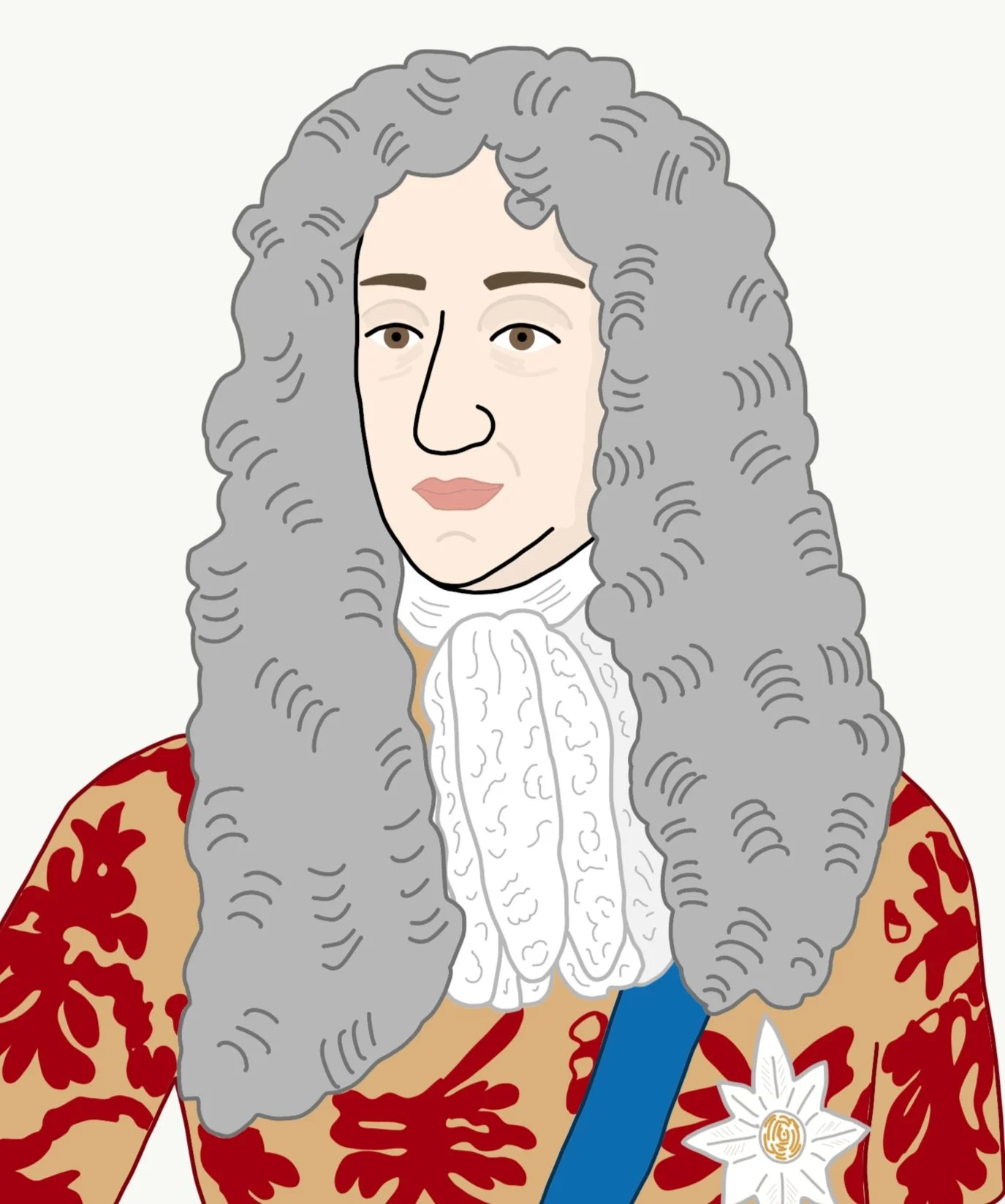
1701 - King James VII & II died in exile
1701 - King James VII & II died whilst in exile in France. He had become King of England and Scotland on the death of his brother King Charles II but because of James’s strong Catholic beliefs the English Protestant government asked his daughter Mary and her husband William to take the throne from him. King James VII & II fled to France after his army also turned against him in favour of William and Mary. His son James Francis Edward Stuart became the Jacobite claimant to the thrones of England and Scotland.
1736 - Daniel Gabriel Fahrenheit died. He was a Polish-born Dutch scientist who is best known for inventing the thermometer and the Fahrenheit temperature scale.
On 17th September…
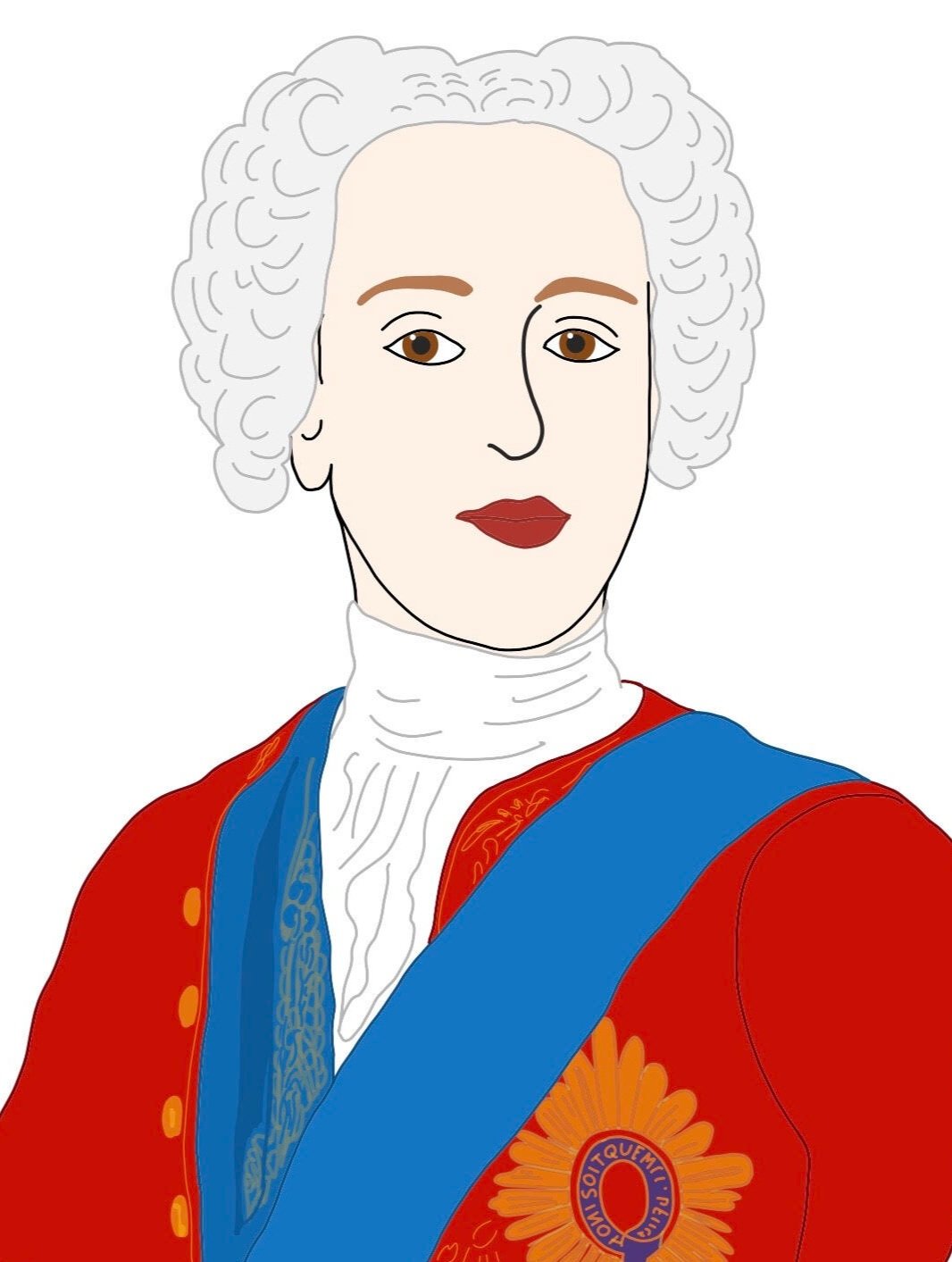
1745 -Bonnie Prince Charlie arrived in Edinburgh
1745 - Bonnie Prince Charlie arrived in Edinburgh to cheering crowds and declared his father to be the rightful King of Scotland. His father was James Francis Edward Stuart, son of the deposed King James VII & II. Unable to capture Edinburgh Castle, Bonnie Prince Charlie set up his court at the Palace of Holyroodhouse. His supporters were called Jacobites after Jacobus, the Latin name for James.

1849 -Harriet Tubman escaped from slavery
1849 - Harriet Tubman escaped from slavery in America with two of her brothers. After her escape she helped others gain their freedom through the Underground Railroad which was a system of safe houses across America that helped slaves escape to freedom. Harriet went on to become a leading abolitionist, fighting against slavery, and a spy for the Union Army during the American Civil War.
1877 - William Henry Fox Talbot, the English pioneering photographer, died. He discovered that by using light sensitive paper instead of bitumen or copper-paper he could produce better quality images. Fox-Talbot went on to develop the three primary stages of photography: developing, fixing and printing. He made the earliest known surviving photograph at his home in Lacock Abbey, Wiltshire.
On 18th September…
1914 - The Government of Ireland Act 1914 was given royal approval. This Act, also known as the Home Rule Bill, would give Ireland self-government. The Act was suspended for a year because of the outbreak of World War I. Further developments in Ireland led to a postponement of the Act and it eventually never came into force. In 1922 instead of Home Rule being introduced, Ireland was divided into two: the south became a democratic republic, whilst the north remained a part of the United Kingdom.
On 19th September…
86CE - Antoninus Pius the Roman Emperor who ordered the construction of the Antonine Wall in Scotland was born in Italy.
1356 - Edward the Black Prince, son of King Edward III of England, defeated the French and captured their king, John II, at the Battle of Poitiers in the Hundred Years War. The French king was held prisoner until 1360 when the French nobility finally raised enough money to pay the ransom being asked for by the English. It took so long because most of the nobility had been killed in the battle. The Hundred Years War was fought from 1337 to 1453 between England and France over the succession of the French throne. The argument stemmed from the time of William the Conqueror who was Duke of Normandy when he became King of England.
1879 - The Blackpool Illuminations lit up for the first time. The original lights were just eight arc lamps which bathed the Promenade in artificial daylight. This was a time when people were still lighting their homes with candles and oil lamps, so the illuminations were a marvel to see. There are now over one million lightbulbs in the six miles of displays.
1893 - New Zealand became the first country to grant women the right to vote. All women who were British subjects and aged 21 or over, including Maori women, were able to vote in political elections.
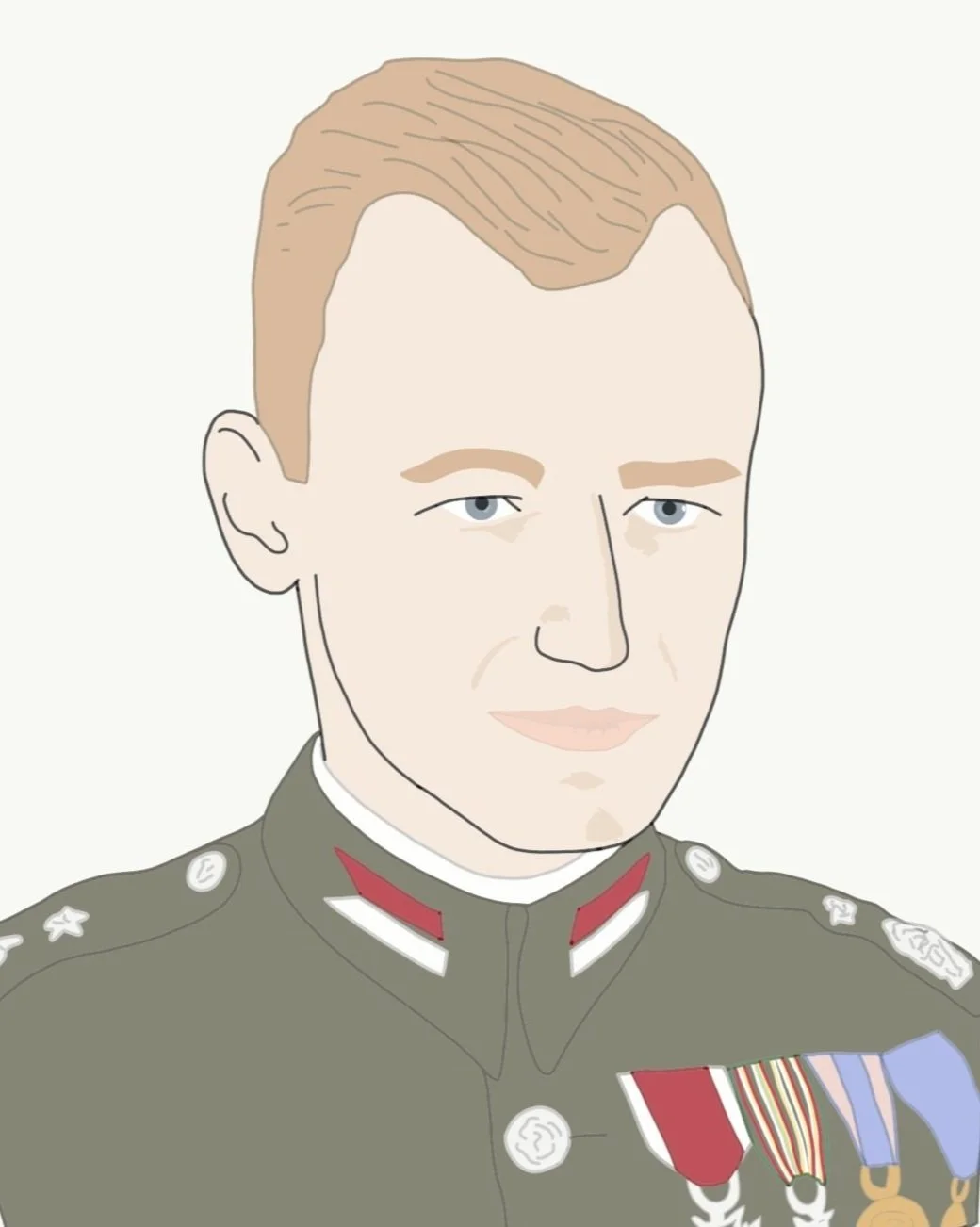
1940 - Witold Pilecki got himself arrested on purpose
1940 - Witold Pilecki, a Polish soldier and resistance fighter, got himself intentionally arrested by Nazi soldiers. He hoped to be sent to Auschwitz concentration camp so that he could smuggle out information to the Resistance during World War II. He was not prepared for the brutality that he witnessed and endured. He managed to escape in 1943.
On 20th September…
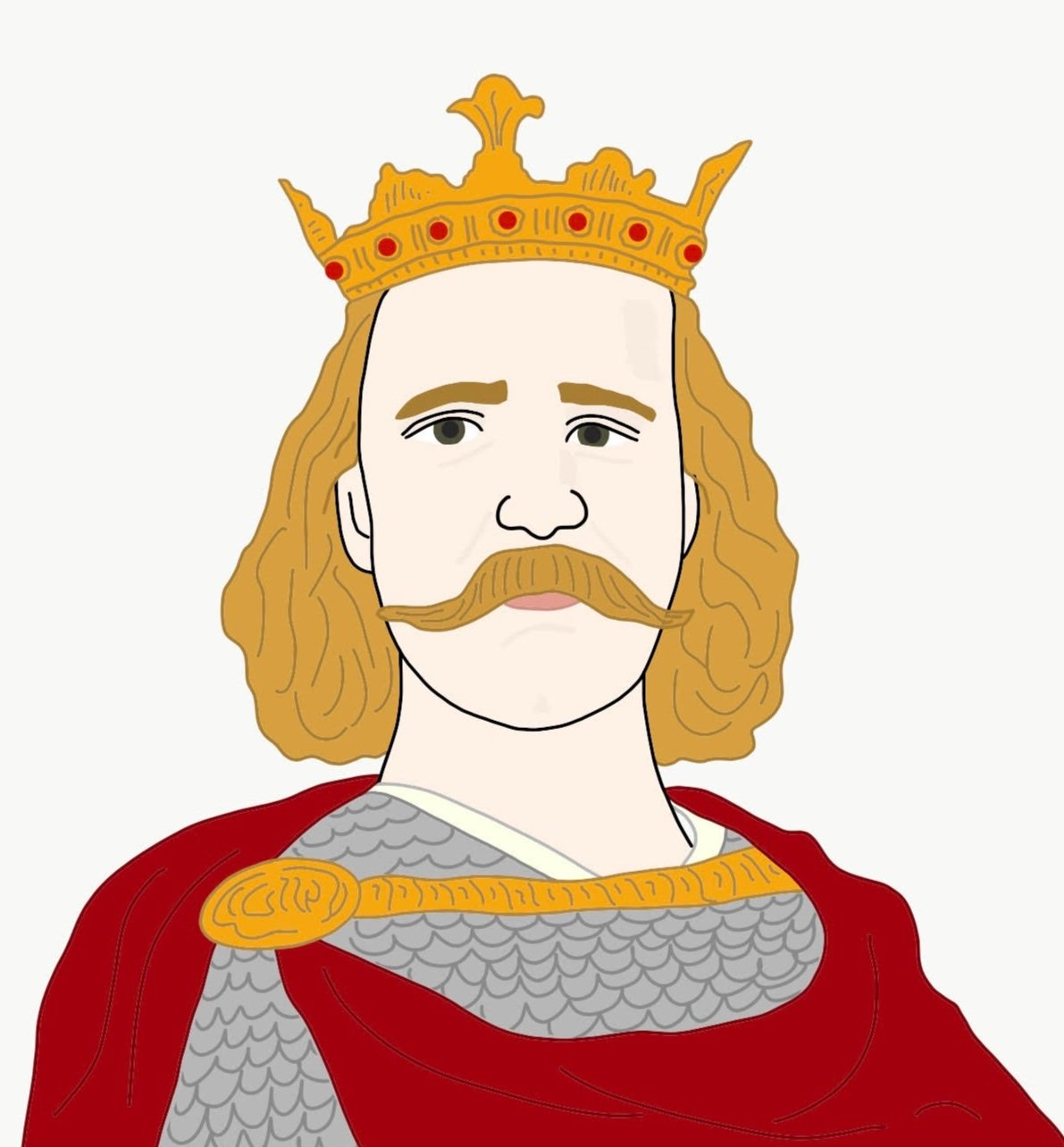
1066 - Battle of Fulford
1066 - At the Battle of Fulford the Saxon Earls, Edwin and Morcar, were defeated by King Harald III of Norway (Harald Hardrada). The Saxon Earls were fighting on behalf King Harold II of England (Harold Godwinson).
Their defeat meant that King Harold II who was waiting on the south coast in anticipation of an invasion by William Duke of Normandy, had to march north to battle the Norwegian king who had taken hold of the city of York.
King Harold II and his army marched 185 miles north within four days. They battled and defeated the Norwegian invaders and then had to march back south to defend England from the French invasion.
1486 - Prince Arthur the older brother of King Henry VIII was born in Winchester. He married Catherine of Aragon at the age of 15 years but died less than a year later.
1643 - The first Battle of Newbury took place during the English Civil War. There was no outright winner of the battle with the Royalist forces led by King Charles I and the Roundheads or Parliamentary forces led by the Earl of Essex and Philip Stapleton. This meant that the Parliamentary forces were able to continue on their march to London.
1854 - The first major battle of the Crimean War took place. The British and French forces defeated the Russians at the Battle of Alma.
On 21st September…
1538 – The Shrine of St Swithun in Winchester was smashed up in the middle of the night by King Henry VIII’s commissioners as part of the dissolution of the monasteries during the English Reformation. St Swithun was an Anglo-Saxon bishop who was chosen as patron saint for the Benedictine monastery at Winchester a century after his death. His bones were housed in a reliquary, which is a special container for ancient relics, and were famed for their healing powers. His tomb became a major site for pilgrims who would travel far and wide to be healed of their illnesses. The English Reformation began when Henry VIII declared himself Head of the Church of England. To help him take control quickly, Henry VIII had to seize control of the Catholic churches and monasteries; to do this he took the Church’s property, demolished buildings for building materials, and sold off or reclaimed the Churches and their lands. These acts were called the dissolution of the monasteries.
1745 - Bonnie Prince Charlie victorious at Preston Pans
1745 – At the Battle of Preston Pans the British army were beaten by Bonnie Prince Charlie during the Jacobite Rebellion. The two sides were of about equal size with around 2,000 soldiers each, but the Scots easily beat the English, killing over 300 and capturing 1,400 men. Their own losses were just 30 men killed and 70 wounded. Bonnie Prince Charlie now had control of Scotland with just Edinburgh Castle, Stirling Castle and three forts (William, Augustus and George) in the hands of the English. It would not be long before he marched south and into England.