September 29th - October 5th
On 29th September…
1758 - Horatio Nelson was born in Norfolk. He was a British naval commander who was famous for defeating Napoleon at the Battle of Trafalgar. Nelson joined the navy at the age of 12 years and worked his way up the ranks to become a Captain when he was 20 years old. During his many battles he lost the sight in his right eye and later, his right arm. He was killed at the Battle of Trafalgar and because they were out at sea his body was preserved in a keg of brandy and transported back to England where he was given a state funeral. His statue, Nelson’s Column, stands in the centre of Trafalgar Square in London.
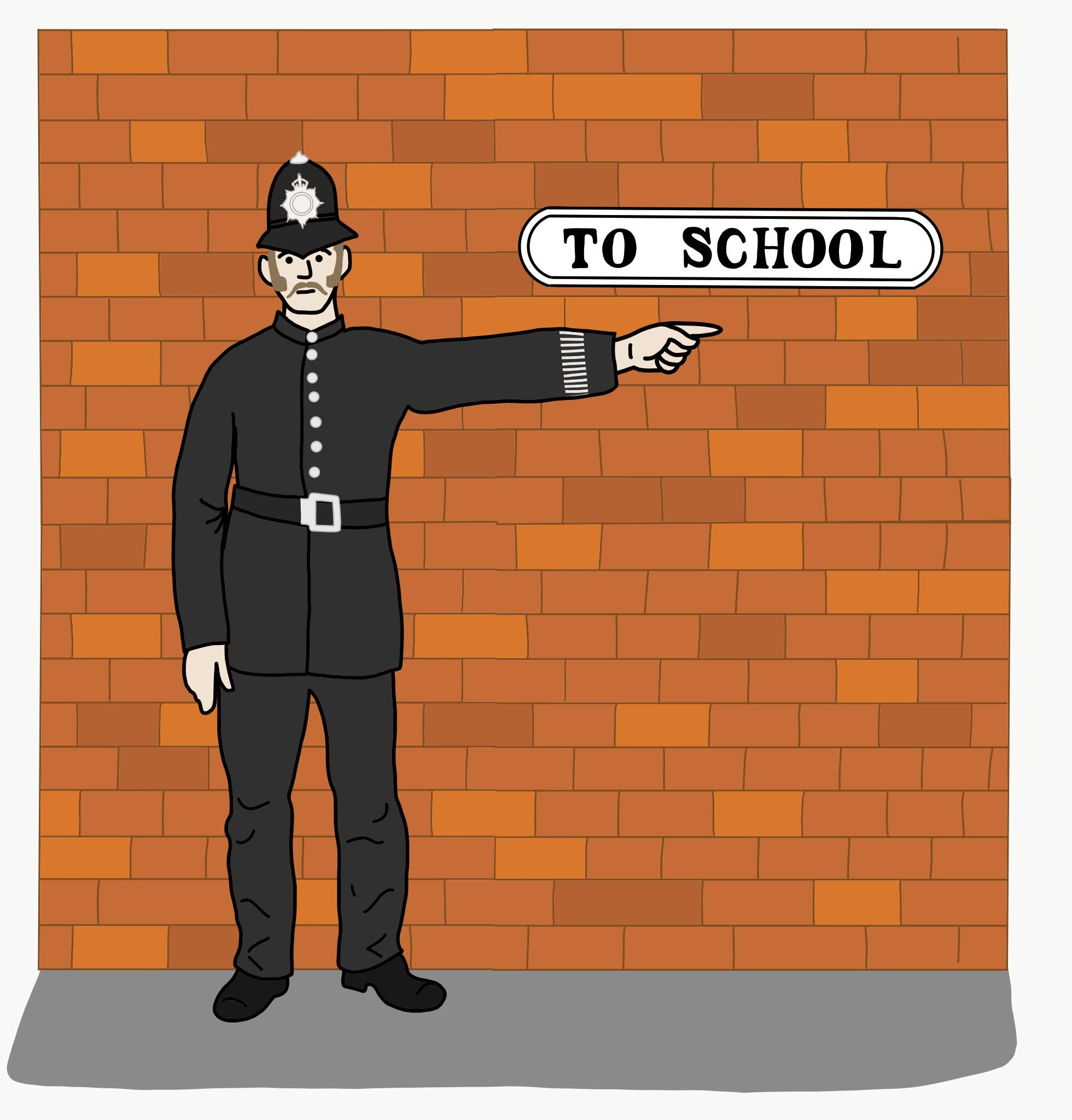
Bobbies started walking the beat
1829 - The first units of the Metropolitan Police patrolled the streets of London. They became London’s first regular police force with the police officers becoming known as ‘Bobbies’ or ‘Peelers’ after its founder Sir Robert Peel.
On 30th September…
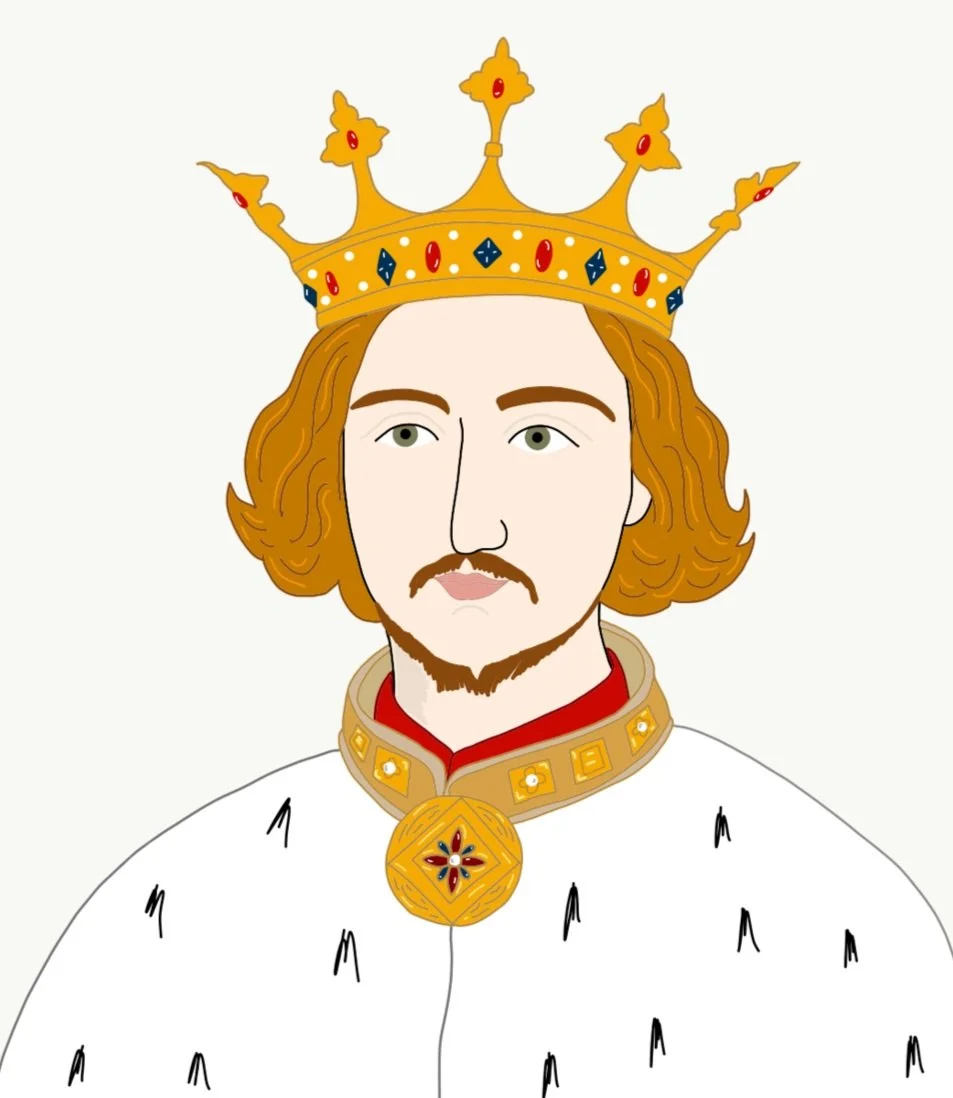
King RIchard II forced to abdicate
1399 - King Richard II of England, abdicated the throne in favour of his cousin, Henry Bolingbroke. Richard had been king since the age of ten and didn’t want to abdicate, but was forced to do so by Henry who was rebelling against King Richard’s rule and his seizure of Henry’s father’s lands and treasures. These lands and treasures should have been given back to Henry when his dad, John of Gaunt, died but the king changed his mind and decided to keep them for himself. Bolingbroke gained the support of many nobles who were also angry with the king. They helped Henry gain power and capture Richard II. When the king abdicated, Henry was crowned King Henry IV.
1888 - Jack the Ripper murdered two more women, Elizabeth Stride and Catherine Eddowes. It is believed that he was interrupted during the murder of Elizabeth Stride, so he went in search of another victim that evening.
On 1st October…
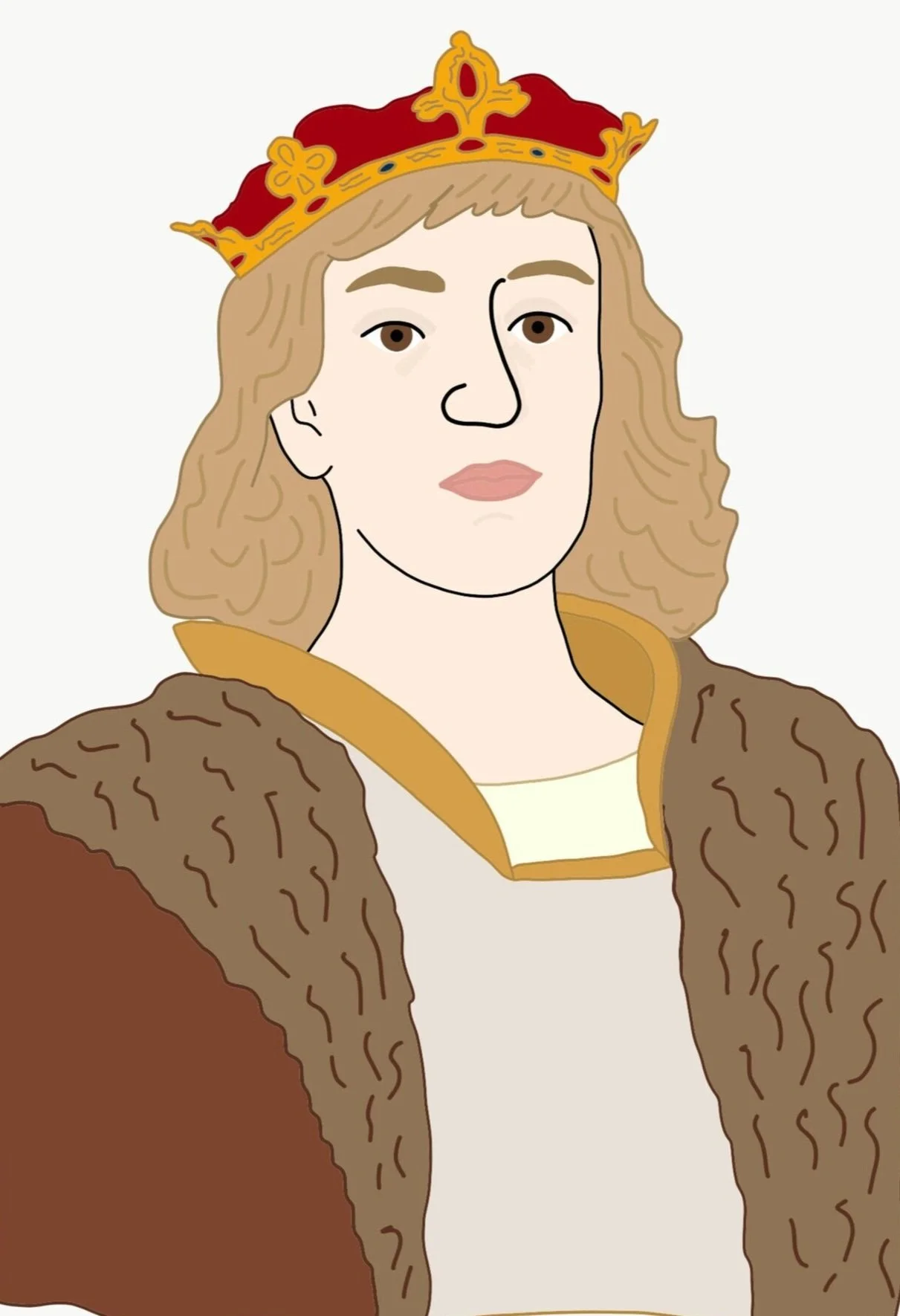
King Eadwig died
59 - King Eadwig of England died at the age of about 19 years. He became king at the age of 15 years when his uncle, King Eadred, died. During his reign the Anglo-Saxon kingdoms of Northumbria and Mercia revolted against him and declared his brother Edgar to be their king.
King Edgar I became king of all England upon Eadwig’s death.
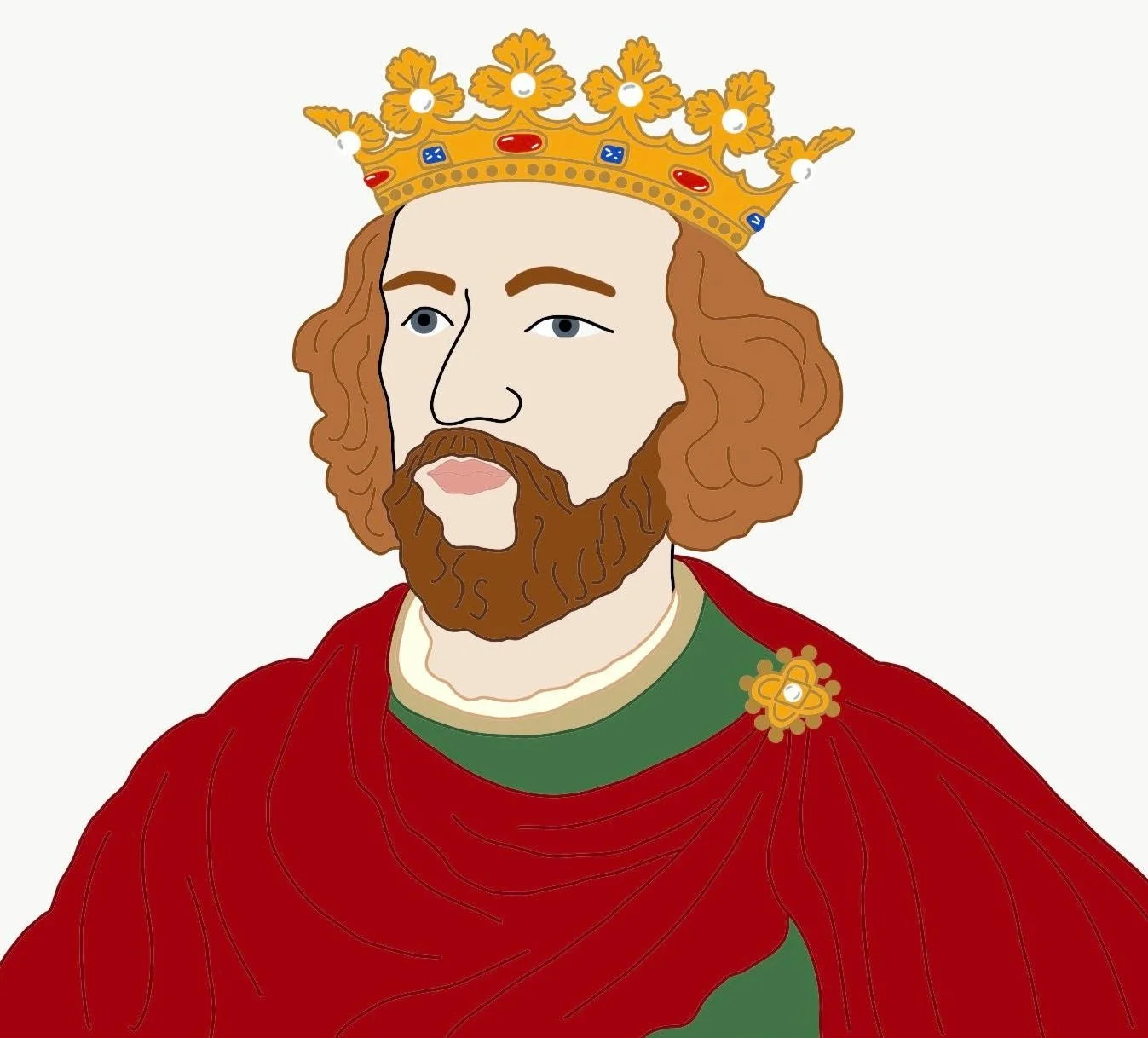
King Henry III was born
1207 - King Henry III was born in Winchester Castle and became king at the age of only nine years. He was the son of King John, the king who had been forced to sign the Magna Carta and who lost the crown jewels in The Wash.
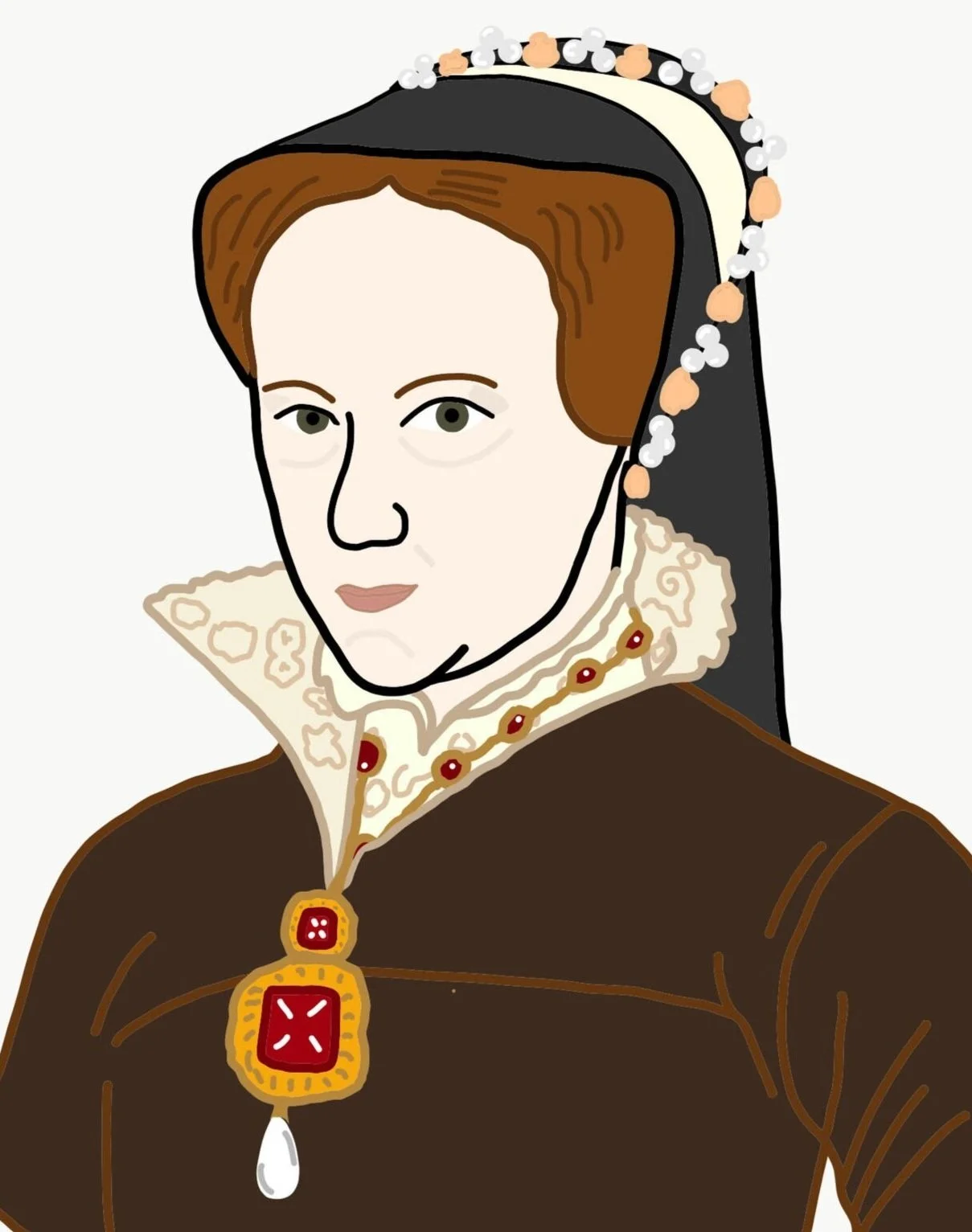
Coronation of Queen Mary I
1553 - Queen Mary I was crowned at Westminster Abbey. She was the daughter of Henry VIII and his first wife, Catherine of Aragon. Mary was given the nickname Bloody Mary for her persecution of Protestants; she did not like them, she didn’t agree with their beliefs, she and reinstated Catholicism as the religion of England during her reign. Mary ordered the death, by burning, of about 300 Protestants for their religious beliefs.
On 2nd October…
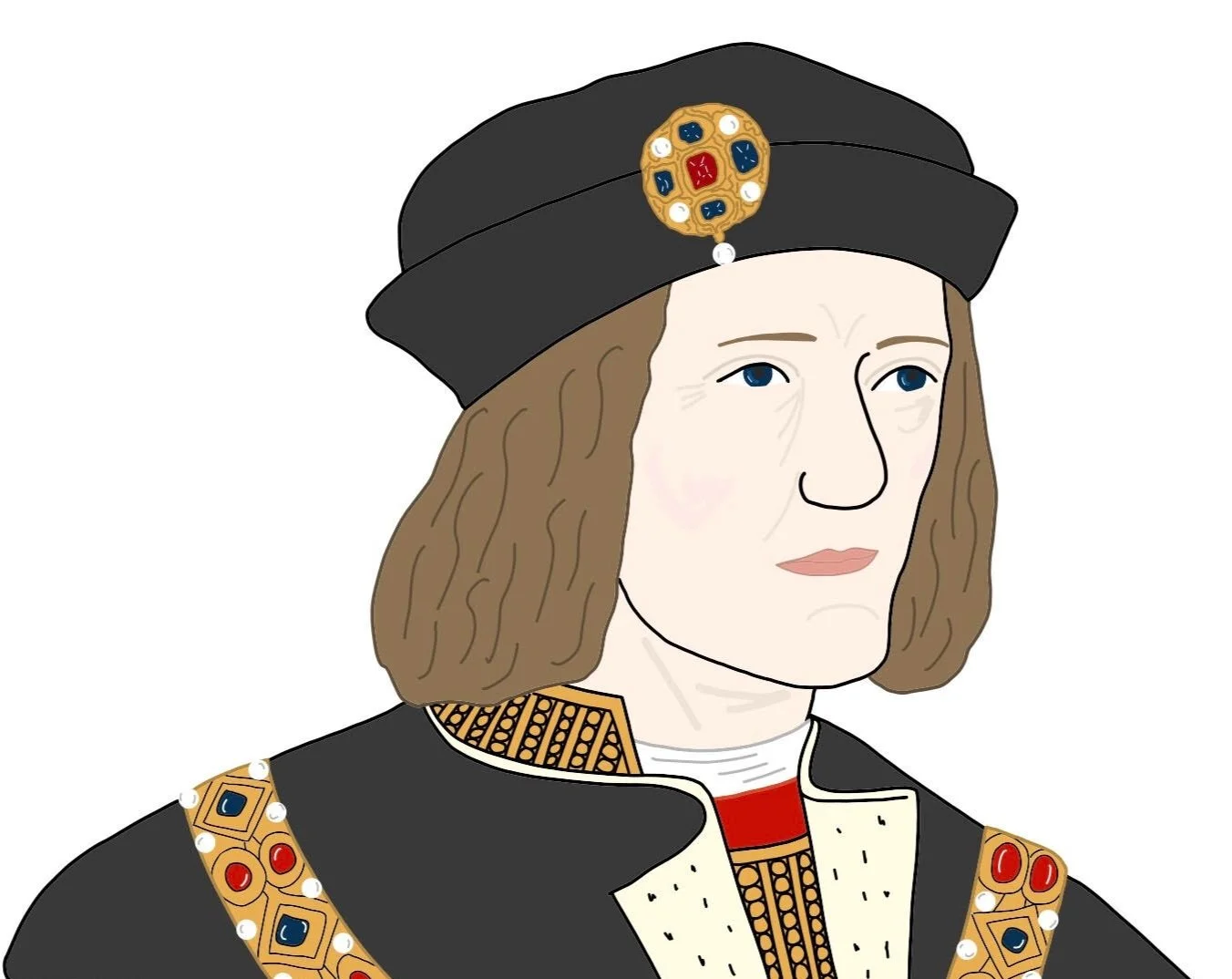
Birth of King Richard III
1452 - King Richard III was born in Fotheringhay Castle in Northamptonshire. He became king after usurping his young nephew, Edward V.
Richard III was violently killed when he was 32 years old at the Battle of Bosworth Field. This battle brought an end to the Wars of the Roses and saw the beginning of the Tudor period. Legend says that Richard’s crown was found in a bush and placed on the victor's head.
1869 - Mohandas Karamchand Gandhi (Mahatma Gandhi) was born in India. He was a lawyer, politician, social activist and writer who became the leader of the nationalist movement against the British rule of India. He sought peaceful ways to bring about Indian independence.

First rugby match to be played at Twickenham
1909 - The first rugby match to be played at Twickenham took place between Harlequins and Richmond, the final score was 14-10.
The stadium was built on an area that was previously used as a market garden for growing cabbages but is now home to England’s International Rugby Team.
On 3rd October…
1283 Dafydd ap Gruffyd, Prince of Gwynedd, the last independent ruler of Wales was executed by King Edward I of England for treason. Dafydd had led a revolt against the English king and for that, he was punished. He became the first nobleman to be hanged, drawn and quartered. He was dragged through the streets of Shrewsbury attached to a horse, then hanged alive; revived; then sliced open through his belly, before being beheaded and cut into four quarters. Each piece of his body was then displayed in different parts of the country as a deterrent to other would-be traitors.
On 4th October…
1821 - John Rennie (the elder), the Scottish engineer died. He designed many canals. aqueducts, bridges and dockyards; amongst his works are Waterloo Bridge and Southwark Bridge acfross the Thames in London and the Kennet and Avon Canal. He is buried in St Paul’s Cathedral in London.

First escalator on the Underground began working
1911 - The first escalator on the London Underground began service at Earl’s Court Station. It connected the Piccadilly Line and District Line platforms and made it easier for passengers to move between the platforms.
On 5th October…
1936 - The Jarrow March set off for London. The march was organised by the unemployed men of Jarrow to draw attention of their plight to the British government; their town had been prosperous and busy before and during World War I when there was a huge demand for ships to be built but since the end of the war and the Depression of the 1930’s the shipbuilding industry in the town had all closed down.
About 200 fit and unemployed men walked 300 miles from the town of Jarrow in north-east England to London in order to let Parliament know that since the shipbuilding company had closed there was no other source of work for them or their families; the little money they received from the government did not help much; and the living standards of the town had dropped to very low levels.
Unfortunately, the march only succeeded in getting attention and sympathy for Jarrow, the Government still did not do much to help. Their lives only changed with the onset of World War II and the new demand for naval ships which once again opened their shipyards for business.
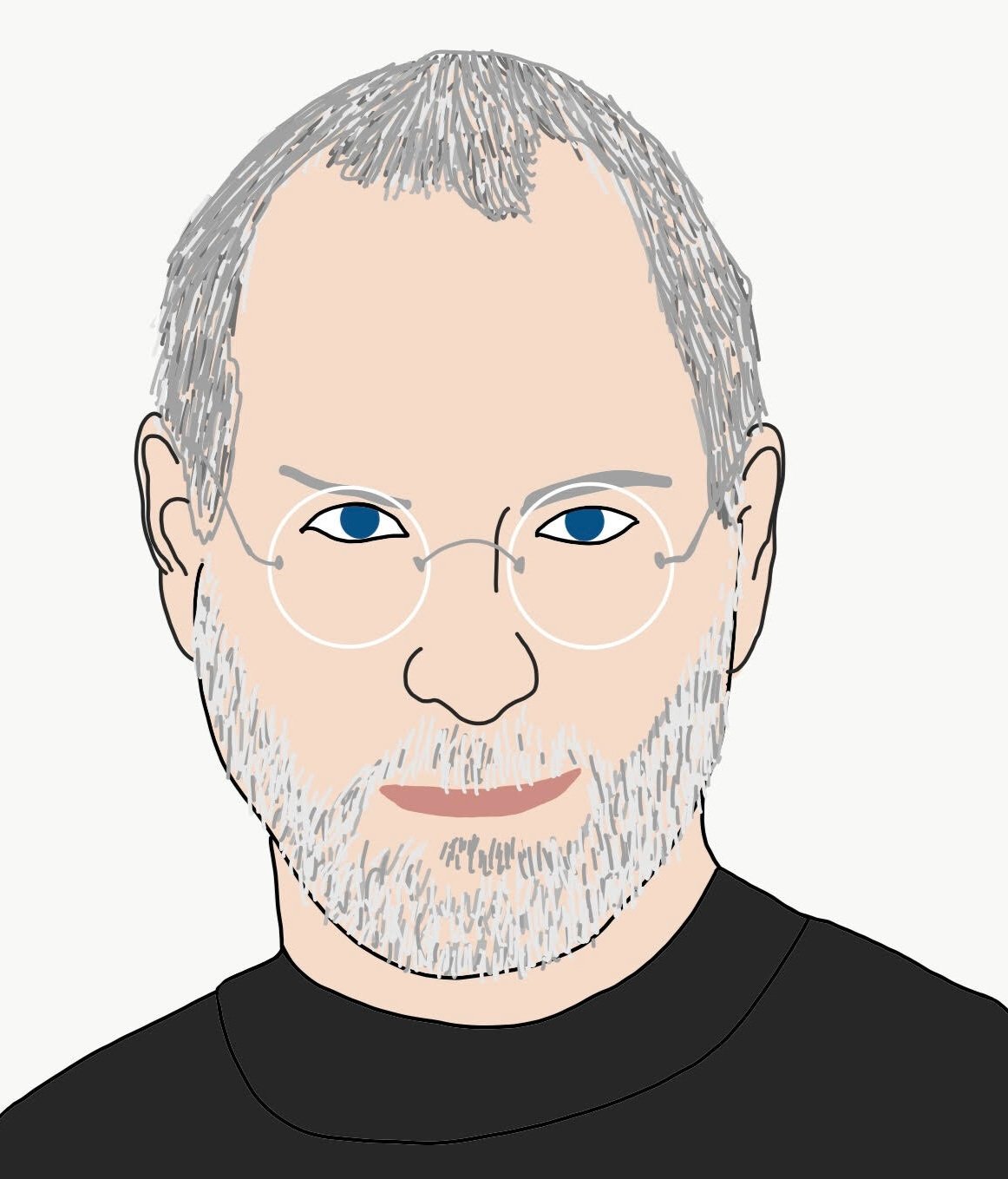
Steve Jobs the co-founder of Apple died
2011 - Steve Jobs the co-founder of Apple died after a long battle with cancer. He set up Apple Computers in his parents’ garage with his friend Steve Wozniak; their company went on to become the successful computer giant that it is today.