November 24th - 30th
On 24th November…
1542 - The Battle of Solway Moss took place between the English and Scots. The disagreement between the two countries began with the English King Henry VIII being a little annoyed that his nephew, the Scottish King James V, had ignored his request to meet and discuss the Scots breaking from the Roman Church just as the English had.
King Henry VIII, trying to get some attention and show his displeasure, sent an army into Scotland to sack and burn a few towns just across the border. King James, in retaliation, did the same just south of the border. The two sides eventually met on the 24th of November near the River Esk and despite the English being outnumbered 15,000 to 3,000 they won the battle because the Scottish troops broke and fled when they assumed that the smaller English army was just a front and that much larger forces were the other side of the hill. Herein lies the old saying to never assume because it makes an ‘ass’ out of ‘u’ and ‘me’. Had they stayed and seen that the English army was just those few thousand men, maybe they’d have won the battle.
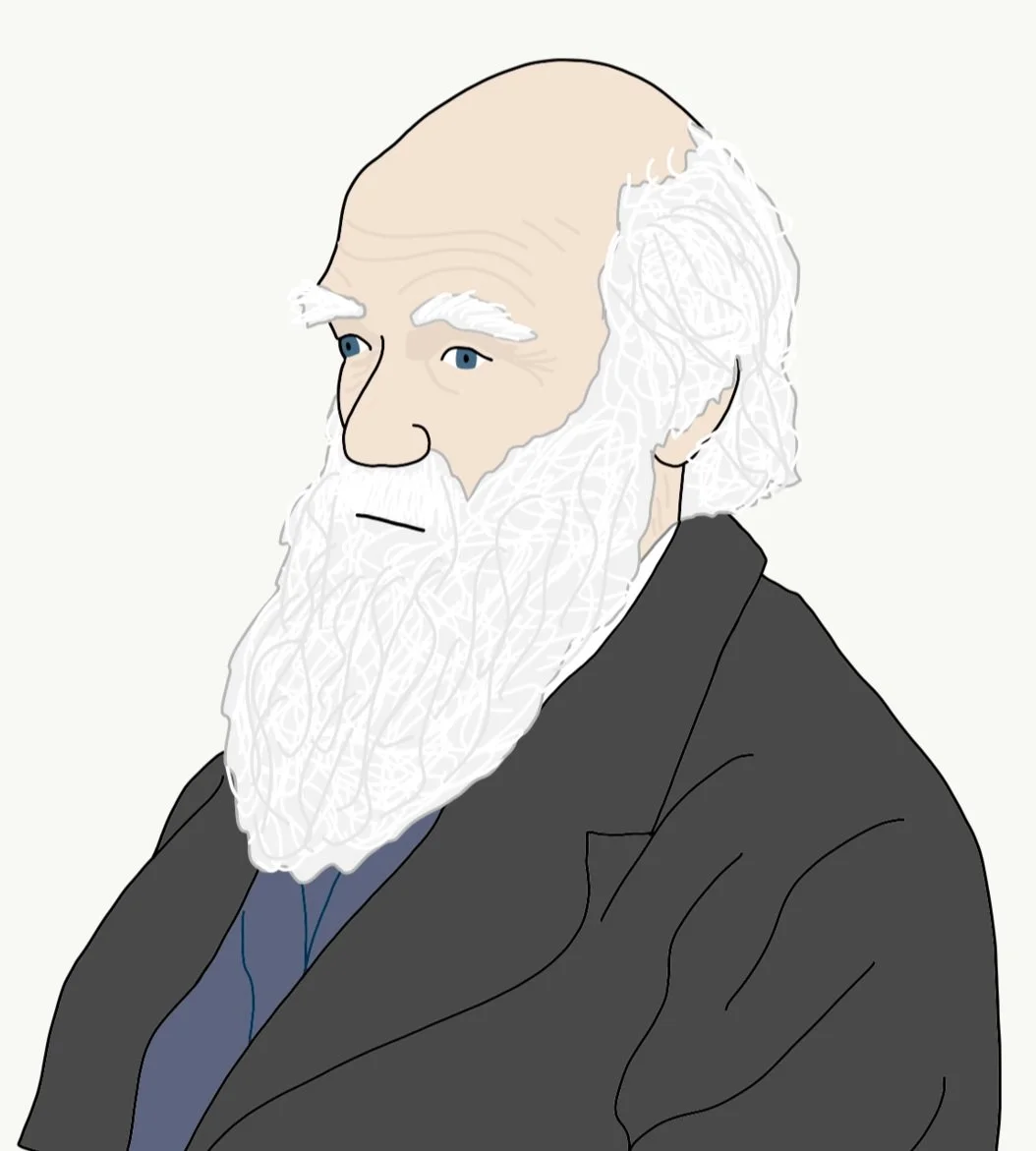
Darwin’s ‘On the Origin of Species’ caused controversy when it was published
1859 - ‘On the Origin of Species’ was published by Charles Darwin. His book and theory changed the way people viewed evolution, and raised many questions on Christian beliefs. Despite scientists praising his work many Christians called Darwin a heretic, believing still that God created man in his own image, and that there was no way that humans could have evolved from apes.
1940 - The city of Bristol was bombed by 148 German planes during the Bristol Blitz of World War II. The first bomb dropped on the city at 6pm and the raid continued for a further six hours. Over 200 people were killed, 187 were injured and over 1,400 people were made homeless overnight.
On 25th November…
1034 - King Malcolm II of Scotland died. His grandson Duncan inherited the throne to become King Duncan I.
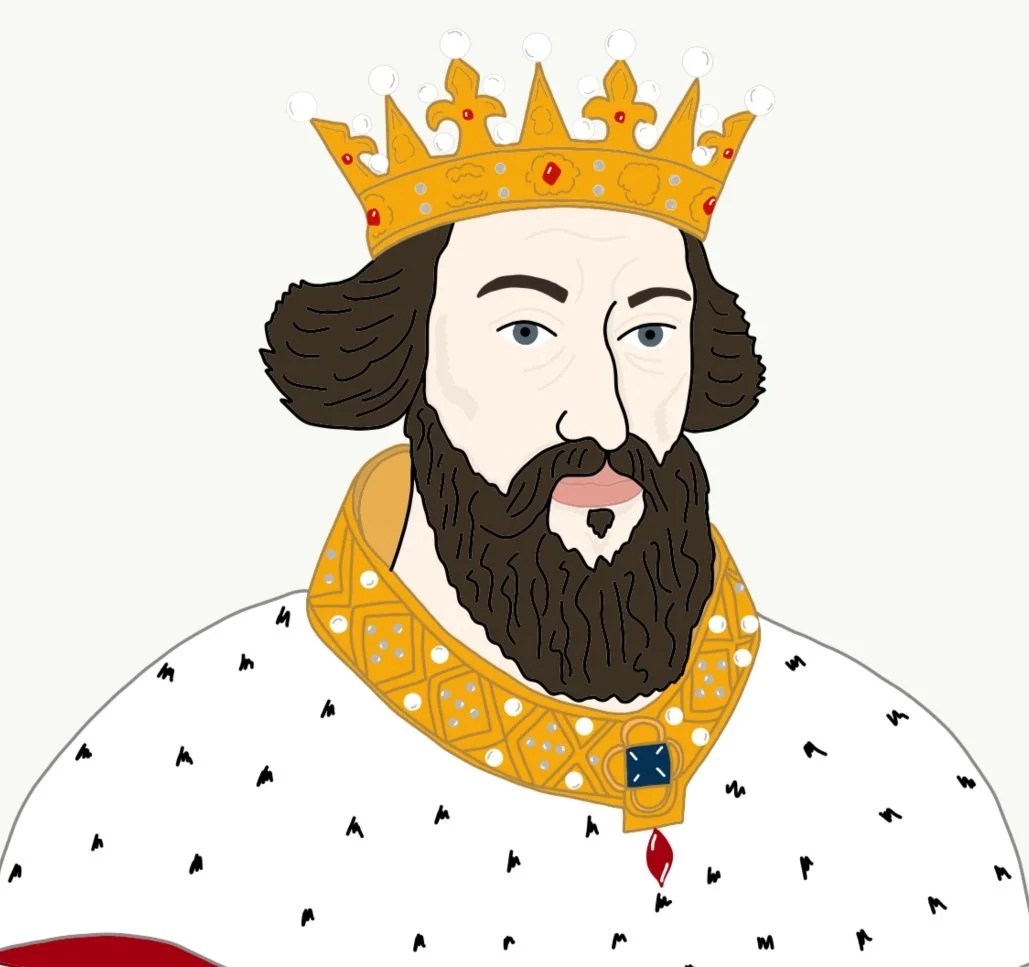
Henry I left distraught when his son and heir drowned at sea
1120 - Prince William Atheling, the son and only legitimate male heir of King Henry I of England drowned in the English Channel in the White Ship tragedy. William was among three hundred of the nobility who were onboard the ship when it sank after hitting a rock. Everybody drowned including the oarsmen and the captain with one exception, a French butcher. The butcher claimed to have seen the Captain purposefully drown himself after hearing that the Prince had already disappeared beneath the sea. The disaster caused problems years later when King Henry died, because arguments arose over who was the rightful heir to the throne. This caused a civil war in England known as The Anarchy; Matilda, Henry’s daughter, was supposed to become Queen but instead her cousin Stephen took the crown with the support of some of the nobility - back then people didn’t think it was right for a woman to rule a country.
1626 - Edward Alleyn, one of the greatest actors of the Elizabethan stage died. He was also the founder of Dulwich College originally called the College of God’s Gift.
On 26th November…
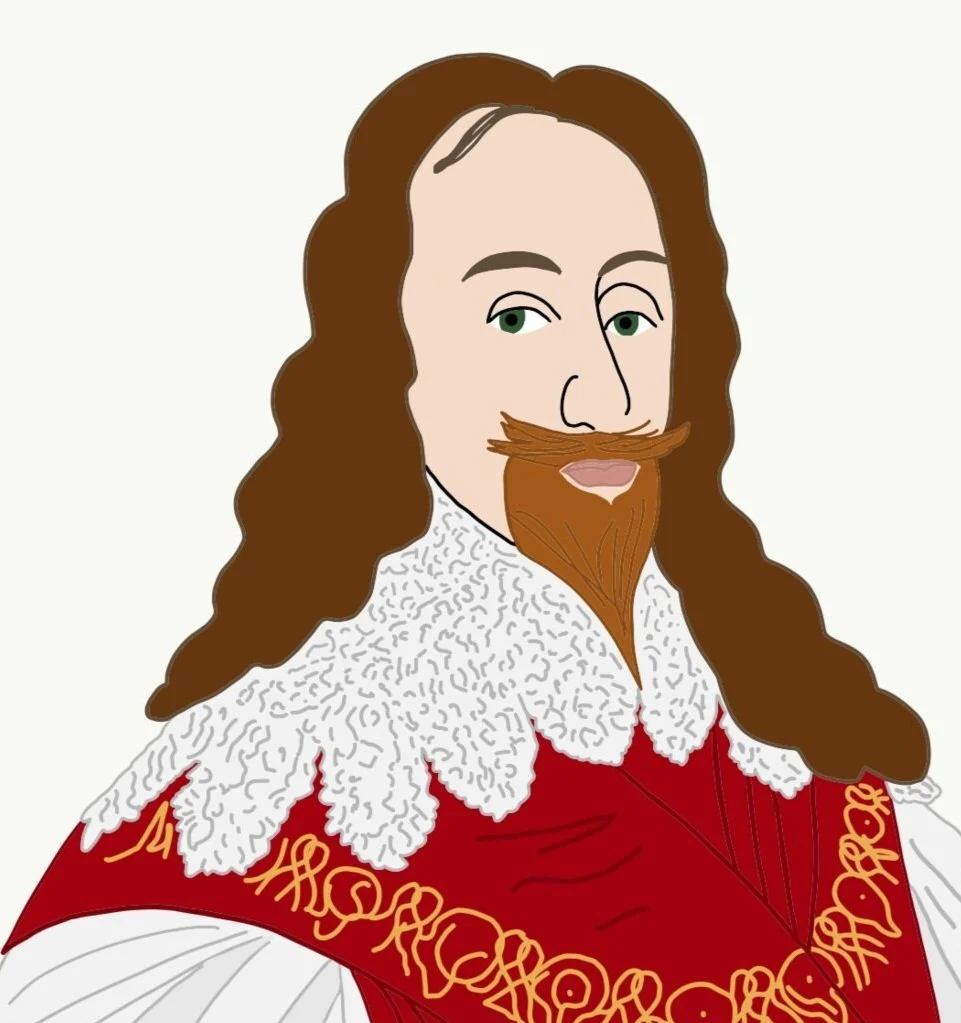
City of Newark under siege for the third time
1645 - The third Siege of Newark began during the English Civil War. During this last siege of the castle and town, Scottish forces who had joined with the Parliamentarians were in position to take control of the town. They dug huge earthworks around the town, and the nearby River Devon was dammed to stop the corn mills from being able to work. By the following March the town of Newark still hadn’t surrendered to the Scottish forces; the town’s governor only admitted defeat when King Charles surrendered himself to the Scots in an attempt to split the alliance between the Scots and the Parliamentarians.
On 27th November…
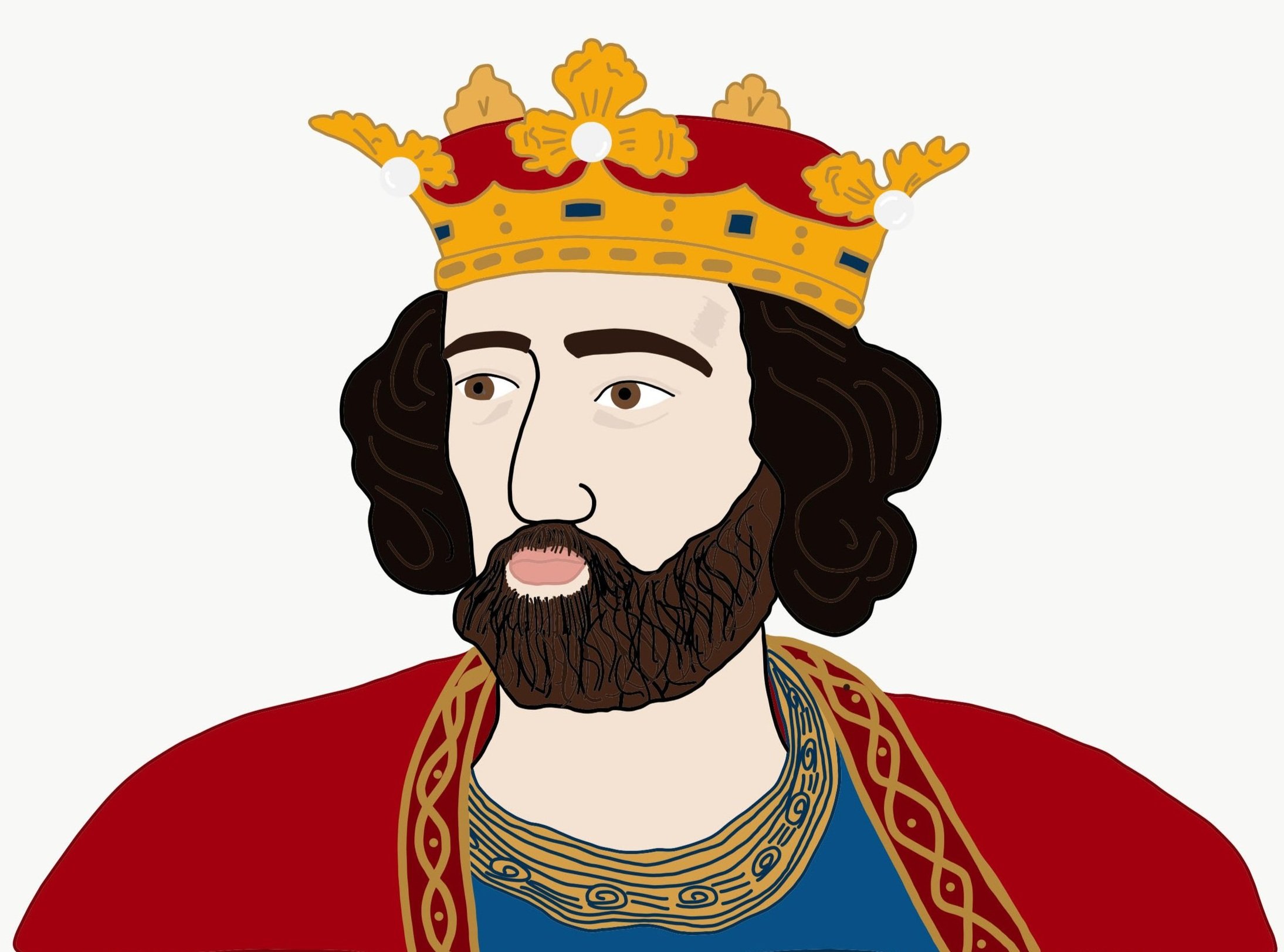
Edward I called together the Model Parliament
1295 - King Edward I called, what became known as, The Model Parliament. It is regarded as the first representative parliament. The King had called for archbishops, bishops, archdeacons, and proctors from each diocese (a church district), 2 knights from each shire, 2 citizens from each city, 2 representatives from each borough, 7 earls and 42 barons to come together to decide on his request of financial aid for the wars he was waging against France and Scotland. Each representative group met separately to consider the King’s request; clergy (the church), nobles (earls, barons and knights) and commoners (the regular everyday citizens). Each group decided to support the king, with each donating a percentage of their income.
On 28th November…
1170 - King Owain of Gwynedd died. He was the last great King of the Welsh and managed to expand Welsh ruled land whilst the English were busy fighting the civil wars between King Stephen and his cousin Matilda over who should be sitting on the English throne.
Make it stand out
1291 - Eleanor of Castile, the wife of King Edward I, died in Northamptonshire. The king placed crosses at every stopping point her coffin rested, along its route from Northamptonshire back to London. Some of these crosses can still be seen at Geddington, Hardingstone, and Waltham.
During their thirty-six years of marriage, Eleanor gave birth to sixteen children but only six of them survived to adulthood.
1660 - The Royal Society was formed in London after a lecture by Christopher Wren, the famous architect. Today it is the U.K.’s national science academy and a Fellowship of 1,600 of the world’s leading scientists. It is dedicated to the promotion of excellence in science.
On 29th November…
1781 - The crew of the British slave ship Zong began murdering African slaves by throwing them into the sea because the ship was overloaded; it had missed its destination in the Caribbean; and had been at sea three weeks longer than planned. Drinking water was sparse and sickness had spread among the slaves and the crew. The captain decided that the best course of action was to throw the slaves overboard to try and stop disease spreading further. In total 133 slaves were thrown into the sea to drown. There were court cases and trials afterwards where the hearing was to decide not whether murders had been committed, but whether or not insurance could be claimed for lost cargo (the slaves thrown overboard). This inspired the abolitionists (people who wanted to end slavery) to set up a Society for the Abolition of the Slave Trade.
1940 - Liverpool suffered 8 hours of air raid bombing in World War II which killed 166 people and left 2,000 people homeless. The Prime Minister, Winston Churchill, called it the ‘single worst civilian incident of the war.’
On 30th November…
60 - St Andrew died. He is the patron saint of Scotland, and also of Russia. His cross has been adopted as Scotland’s flag, the white X on a blue background and forms part of the Union Flag of the U.K.
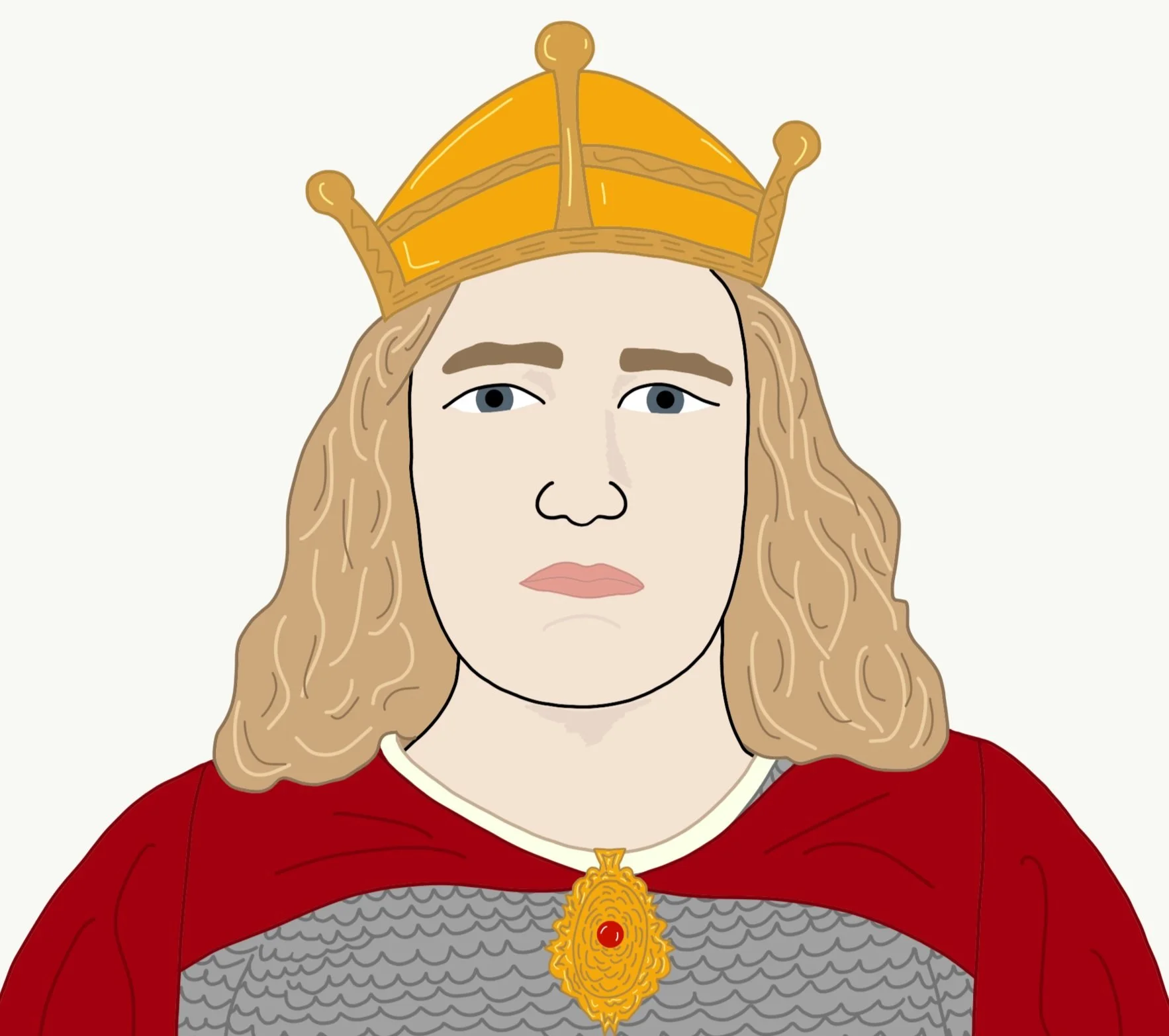
King Edmund II ‘Ironside’ died
1016 - King Edmund II of England died. He was also known as Edmund Ironside, a nickname he got for his size and strength. Edmund was the son of King Aethelred the Unready who had lost the English throne to King Sweyn of Denmark. Edmund became King of England when Sweyn died but faced invasions led by Sweyn’s son, King Canute of Denmark, who believed he had the right to the English throne and not Edmund.
Edmund was not as easily defeated as his father had been and after several battles with the Danes suggested that he and Canute fight one on one. Seeing how big Edmund was, King Canute is reported to have said it would be an unfair battle and suggested splitting England into two separately governed kingdoms once more. Edmund agreed to the proposal and to a pact that the country would be joined again on the death of either King. Edmund Ironside died in suspicious circumstances just six months after, leaving King Canute to rule over all of England.
1874 - Winston Churchill, was born in Blenheim Palace in Oxfordshire. He was the British Prime Minister during World War II and kept Britain’s spirits up with his rousing speeches which became quite famous. Did you know he also won the Nobel Prize for Literature in 1953?