December 1st - 7th
On 1st December…
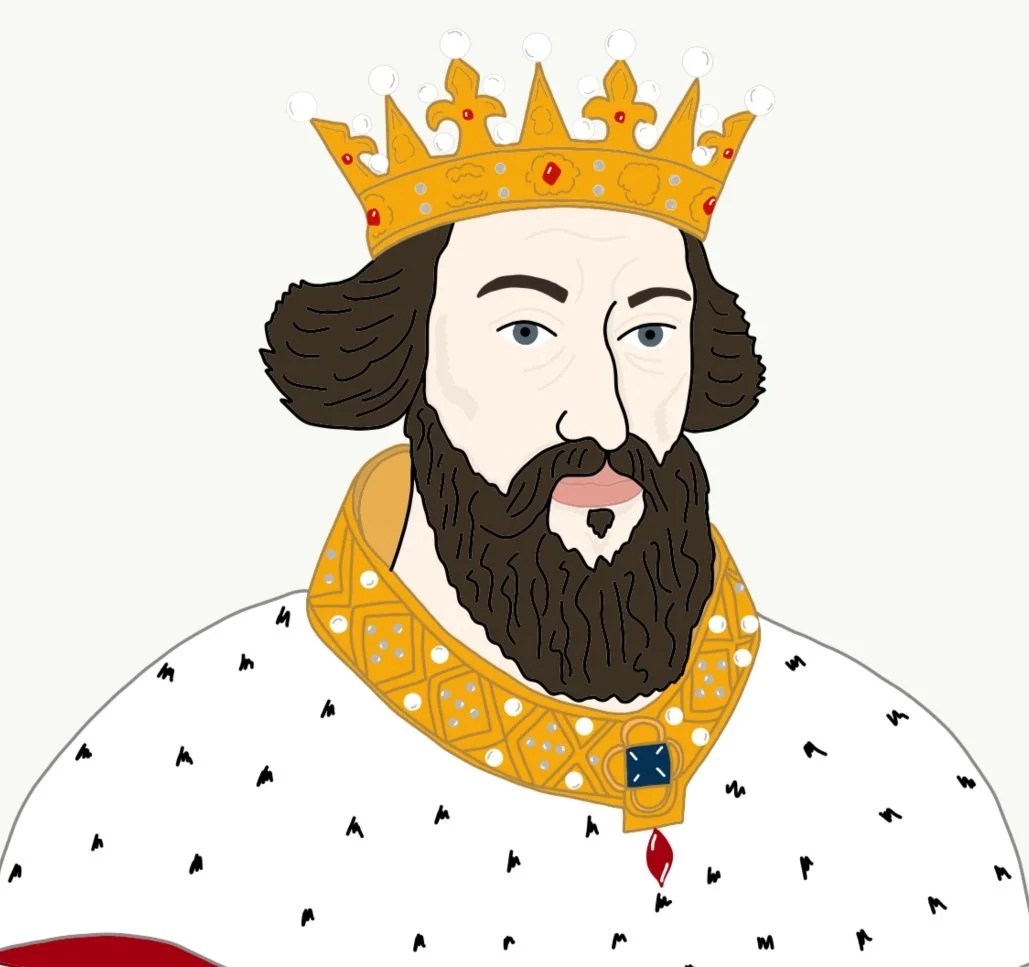
King Henry I died without a male heir
1135 - King Henry I of England died. He had become king in very suspicious circumstances; when his older brother King William II (a.k.a. William Rufus) had been injured and killed in a hunting accident in the New Forest, Hampshire. At the time of the accident Henry is said to have raced to claim the throne instead of consoling his dying brother. Henry left no legitimate male heirs, so his nephew Stephen with the backing of the nobility raced to the throne to be crowned King of England before Henry’s daughter Matilda, who was in France, could be made queen.

Rosa Parks arrested for not moving seats on a bus
1955 - Rosa Parks was arrested for civil disobedience for refusing to move to the back of a bus and give her seat to a white person in Alabama, U.S.A. Her arrest sparked a boycott of the bus system and led to a Supreme Court ruling against segregation on public transport in America.
On 2nd December…
1697 - The newly rebuilt St Paul’s Cathedral was consecrated (declared sacred) and a service was held in London. There had been several churches and cathedrals on the site since around 600AD in Anglo-Saxon England. Each church had been destroyed by accidental fire or intentionally by Vikings. The last building had been built of stone and dated back to about 1087 and the reign of William the Conqueror, it was destroyed in the Great Fire of London over 30 years earlier. The new St Paul’s cathedral was designed by the architect Sir Christopher Wren and took over 30 years to build.
On 3rd December…
1894 - The Scottish writer and author Robert Louis Stevenson died. His most famous books are Treasure Island, Kidnapped, and The Strange Case of Dr Jekyll and Mr Hyde.
On 4th December…
1154 - The only Englishman ever to become pope, Nicolas Breakspear, was elected by the College of Cardinals in the Vatican and began his papacy in Rome as Pope Adrian IV.
1214 - King William I of Scotland, also known as William the Lion, died. He fought England to regain the lands of Northumberland but ended up being captured during battle. To gain his freedom he was made to sign the Treaty of Falaise which ordered him to tax the Scottish people and give the tax to King Henry II of England to keep English armies in Scottish castles. The treaty also made William acknowledge Henry as his overlord and superior. When Henry II died William was able to buy back the English rights and gain Scottish freedom from England because the new English king, Richard I, was more interested in fighting in the Crusades abroad and needed immediate money to finance them.
1791 - The Observer newspaper was first published in London. It is Britain’s oldest Sunday newspaper.
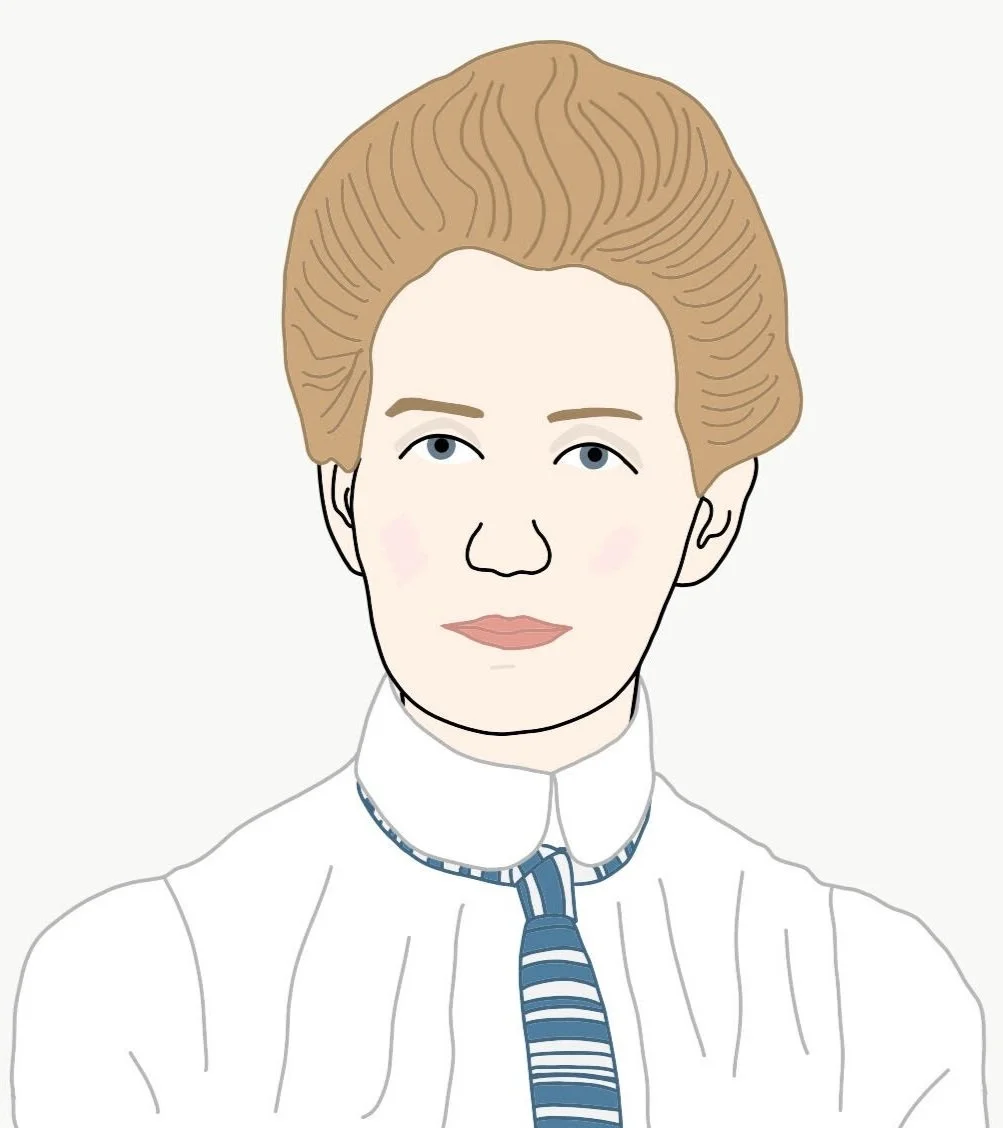
Edith Cavell was born
1865 - Edith Cavell was born in Norfolk, England. During World War I she became a nurse in German occupied Belgium and treated both German and Allied soldiers alike. She was caught aiding Allied soldiers to escape., found guilty, and sentenced to death for her actions. This led to uproar from governments around the world, but despite their objections, Edith Cavell was executed by firing squad along with others also convicted of the same crime.
On 5th December…
1901 - Walt Disney, the man behind cartoon characters such as Mickey Mouse and Donald Duck, was born in Chicago, U.S.A. He is the founder of the Disney Company and also designed the Disneyland theme parks in Los Angeles and Florida before he died.
1952 - A thick dense smog descended over London. It was a mixture of fog and chimney smoke which was being kept down at ground level, and unable to escape upwards, because of the air pressure from the weather conditions. The air quality became so bad that thousands of people died from breathing difficulties during the five days that it lasted. At one point visibility was so bad that you couldn’t see further than a metre in front of you. The consequences of the smog prompted the Clean Air Act to be passed by Parliament which restricted the burning of coal in fireplaces and industrial furnaces in certain areas. The Clean Air Act is considered to be a major event in the history of environmentalism.
2013 - Nelson Mandela died at the age of 95 years. He was a South African, anti-apartheid activist who was imprisoned for 26 years for his political actions. On his release from prison he went on to become the first black president of South Africa.
On 6th December…
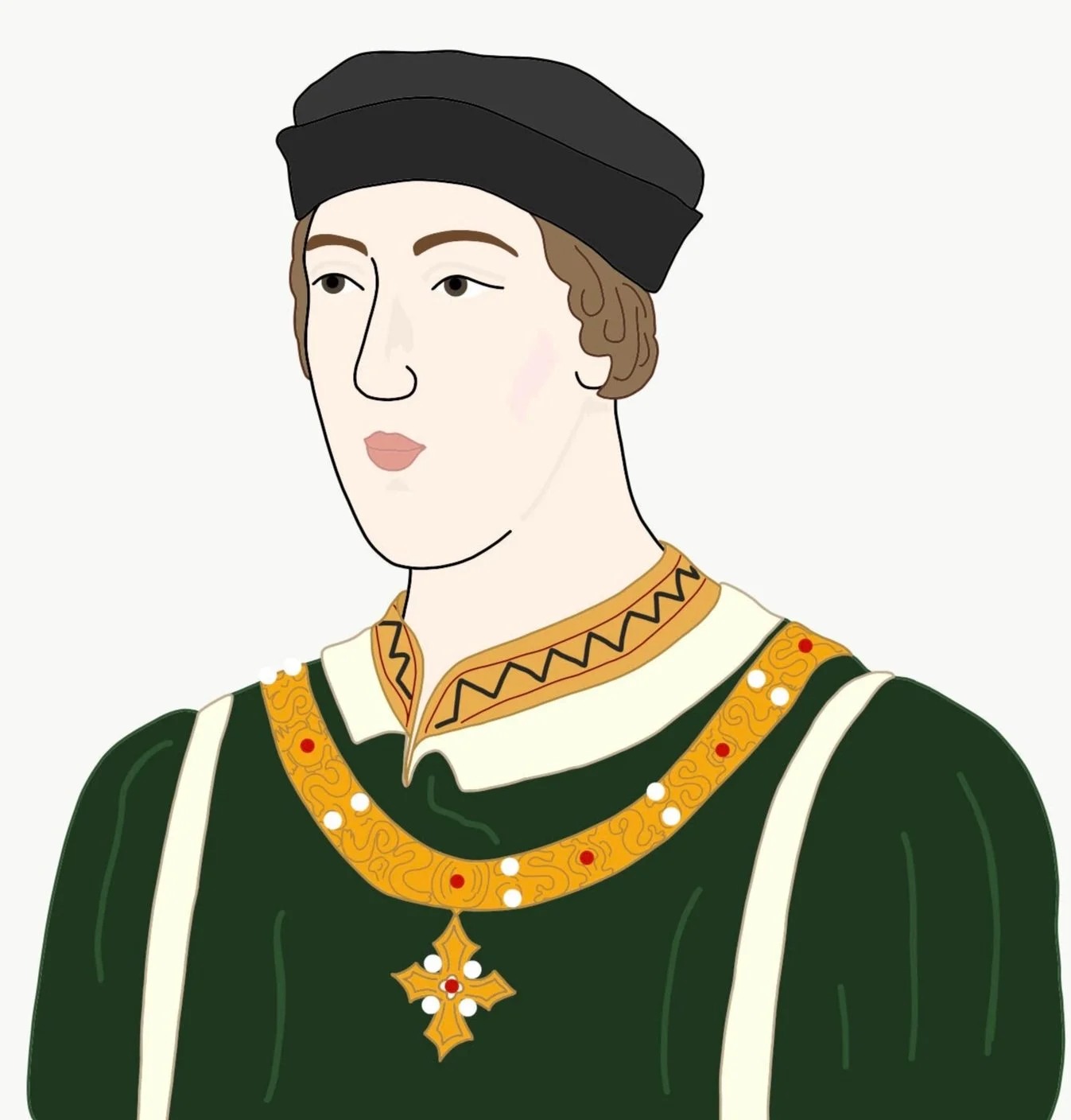
King Henry VI was born
1421 - King Henry VI of England was born. He became King of England when he was only 9 months old after his father King Henry V died.
His reign was split into two parts during the Wars of the Roses which was a war between royal cousins over who had the right to be king. Henry VI was overthrown in 1461 by his cousin, Edward of York, who became King Edward IV. Edward IV was in turn overthrown in 1470 and replaced by Henry VI again. Henry’s second reign of England lasted for a few short months before he was deposed in 1471 and the throne was taken back by King Edward IV once more.
On 7th December…
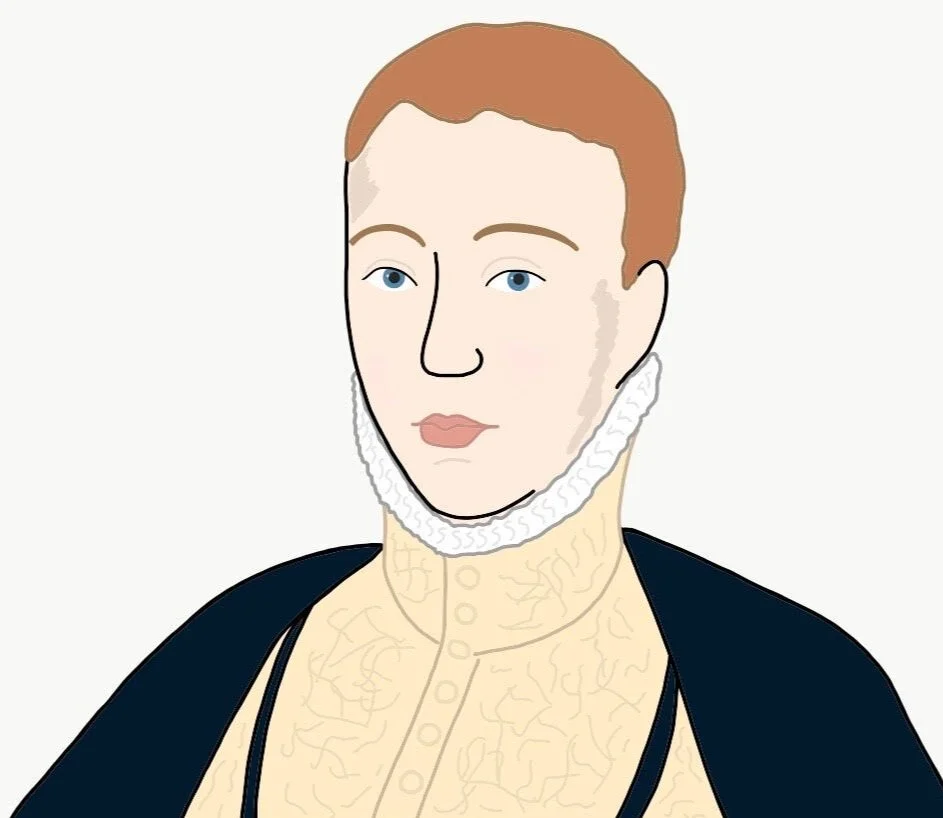
Lord Darnley was born
1545 - Henry Stuart, Lord Darnley, was born in Yorkshire, England. He married Mary Queen of Scots and was father to King James VI of Scotland and I of England. He was murdered in suspicious circumstances and his wife Mary Queen of Scots was suspected of having a hand in his murder.
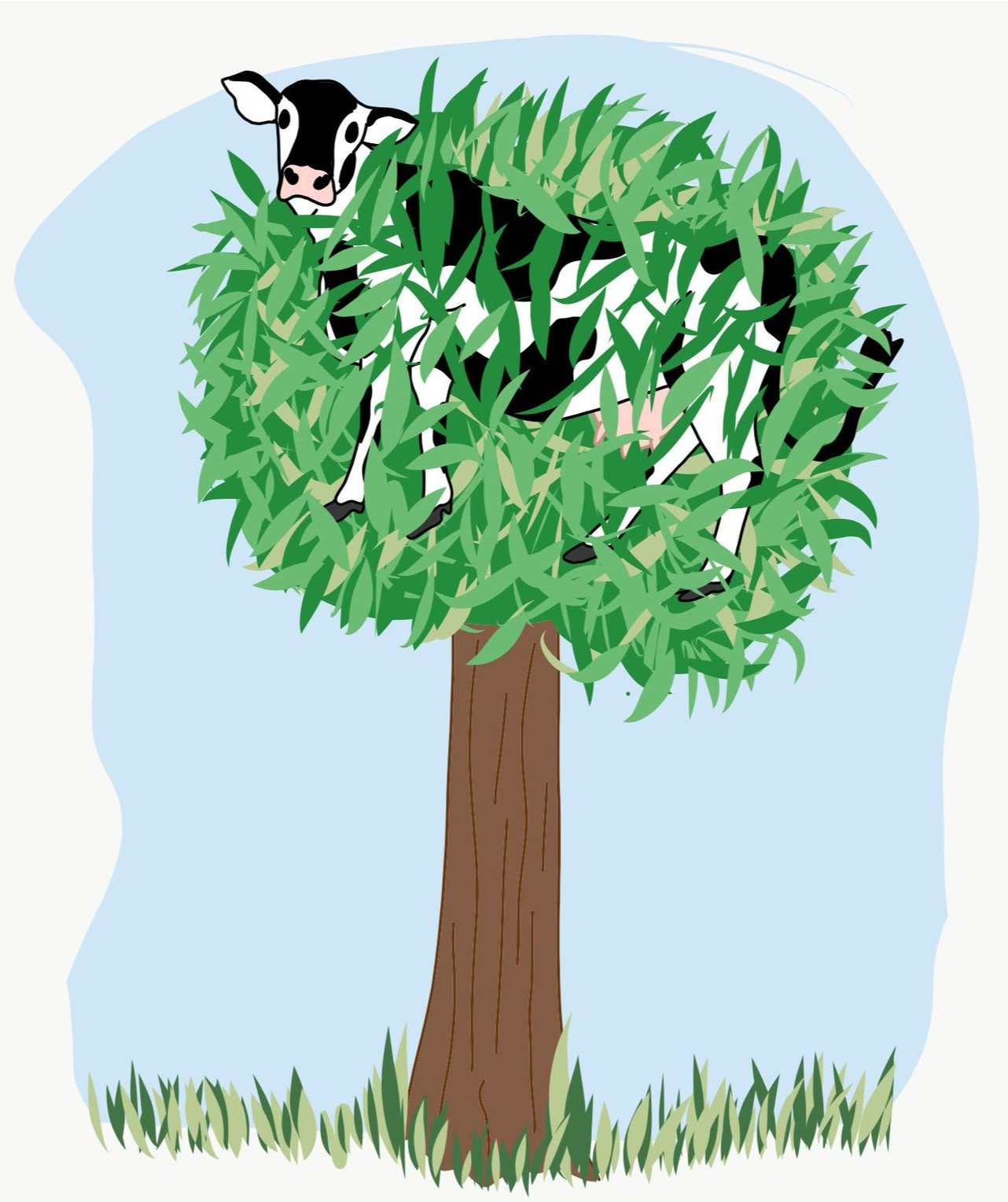
The Great Storm of 1703
1703 - The Great Storm of 1703 visited Britain overnight from the 7th - 8th December. It was so bad that it reportedly killed between 8,000 and 15,000 people. A description of the aftermath went, “It blew fish out of ponds and onto the banks in London’s St James’s Park, beat birds to the ground and swept farm animals away to their deaths. Oaks collapsed and pieces of timber, iron and lead blasted through the streets. The gales blew a man into the air and over a hedge. A cow was blown into the high branches of a tree…” (www.bbc.com/earth/story/20170309-in-1703-britain-was-struck-by-possibly-its-worst-ever-storm)
Sounds absolutely horrific!
1941 - During World War II the Japanese launched a surprise attack on the American naval base at Pearl Harbour in Hawaii. This action brought the previously neutral U.S.A. directly into the war.