November 17th - 23rd
On 17th November…
680 - Hilda of Whitby died. She was the great-niece of King Edwin of Northumbria and was one of the most famous figures of Christian Anglo-Saxon England. Hilda was the founding abbess of Whitby Monastery which was home to both monks and nuns. Local legend says that Hilda rid the area of snakes and evil serpents by praying to God and asking him to remove the snakes’ heads and turn their bodies to stone. The story goes that Hilda caught the snakes and threw them off the top of the Abbey Cliff and that the heat of her anger turned the snakes to stone.
There are many ammonite fossils along the beach below that resemble headless snakes, could the legend be true?
1292 - John Balliol became King of Scotland following the deaths of both King Alexander III and his only heir, his 7-year-old granddaughter, Margaret, the Maid of Norway. John Balliol was proclaimed King of Scotland by King Edward I of England who had been called upon to help the Scottish nobles decide on a new monarch because they couldn’t all agree. Unfortunately, the king of England made John Balliol submit and recognise Edward I as John’s superior. The King of England expected John to be loyal to England. This angered the Scottish nobles who then insisted that King John Balliol sign a treaty with France and refuse to help England with its war against the French. King Edward was furious at the Scottish betrayal and marched an army into Scotland where he defeated John Balliol at the Battle of Dunbar and stripped him of his royal status. Edward also removed the Scottish Stone of Destiny, where the Kings of Scotland were crowned, to try and stop Scotland from being able to make another king. This action marked the beginning of the Scottish Wars of Independence.
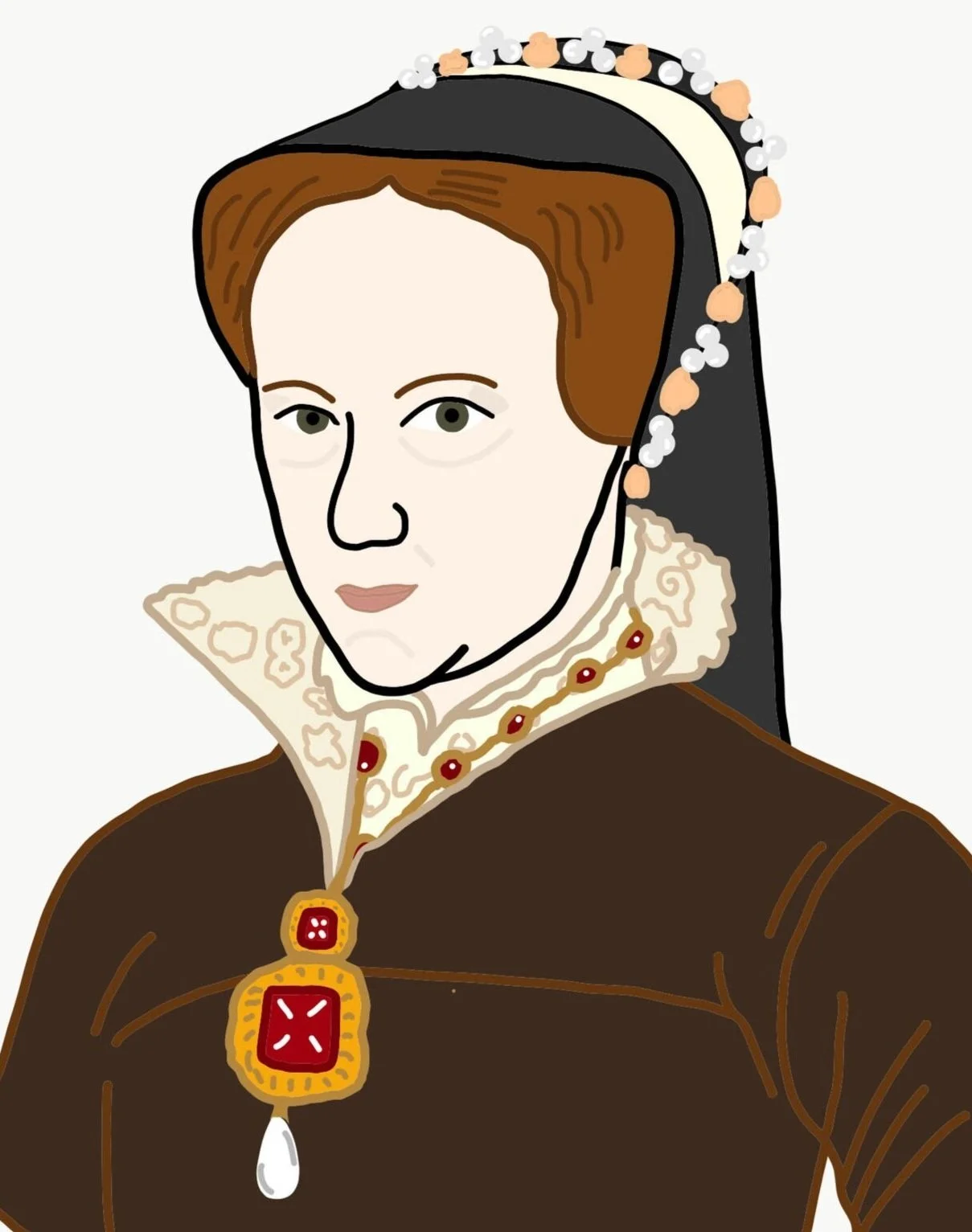
Death of Queen Mary I
1558 - Queen Mary I of England died. She was 42 years old and had no children to inherit her throne. This meant that her half-sister Elizabeth became Queen Elizabeth I.
On 18th November…
1477 - William Caxton printed the first dated book in England using the printing press. It was called ‘Dictes and Sayenges of the Phylosophers’.
1910 - More than 100 female protestors were arrested when Suffragettes tried to storm the Houses of Parliament on what became known as Black Friday. Suffragettes were women who were fighting for the rights of all women to be able to vote. Violence raged between the demonstrators, the police, and crowds of on-lookers. All the Suffragettes were released without charge the next day. Reports of the events of the day given by journalists, by the police, and by Suffragettes all differed drastically with each side manipulating the story to their advantage.
1987 - A fire on the London Underground at Kings Cross Station killed 31 people including a senior fire-fighter. The fire is believed to have started when a lit match dropped through a gap on the wooden escalators and set fire to grease and litter beneath. New safety measures were brought into place after the tragedy: smoking was banned on the Underground and all wooden escalators in every station were replaced with metal ones.
On 19th November…
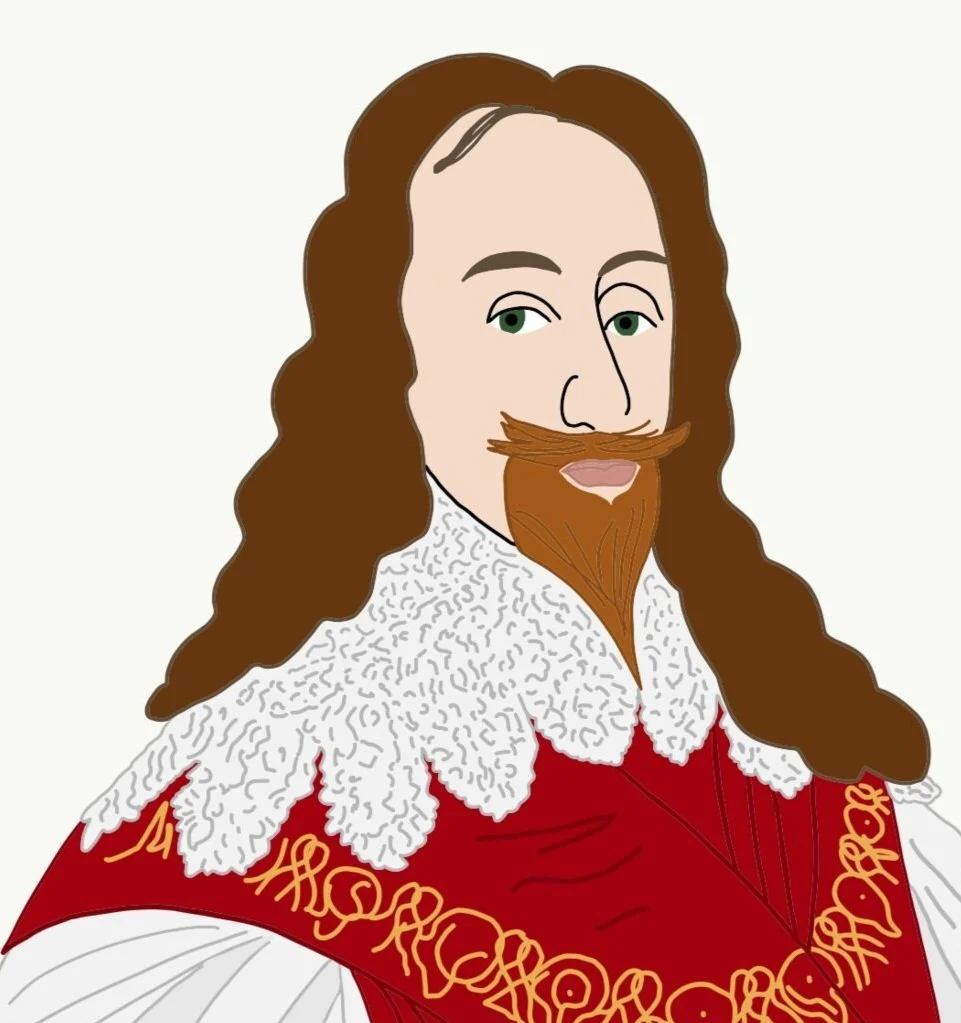
King Charles I was born
1600 - King Charles I was born in Dunfermline, Scotland. He was the second son of James VI & I and did not expect to become king. It was only after his older brother Henry died that Charles was destined to rule. Unfortunately, his reign did not go too well, and England was drawn into a bitter and bloody Civil War between Parliamentarians and Royalists. The Royalists lost the war, and Charles was executed. The monarchy was replaced by a Lord Protector of England - Oliver Cromwell but as we all know this Protectorship was not successful because we now have King Charles III on the throne.
On 20th November…
869 - King Edmund, a Saxon king of East Anglia was killed by Vikings who had tied him to a tree, shot him with arrows and then beheaded him. They killed him after beating him in battle because he refused to give up his Christian faith. He became known as both Edmund the Martyr and St Edmund because of his strong Christian faith. Before his death, King Edmund had fought alongside King Alfred the Great in battle, his remains were moved to Bury St Edmunds where King Athelstan founded a shrine to him. The shrine became a place of national pilgrimage.
Did you know that he was the original patron saint of England before St George was adopted as the patron saint?
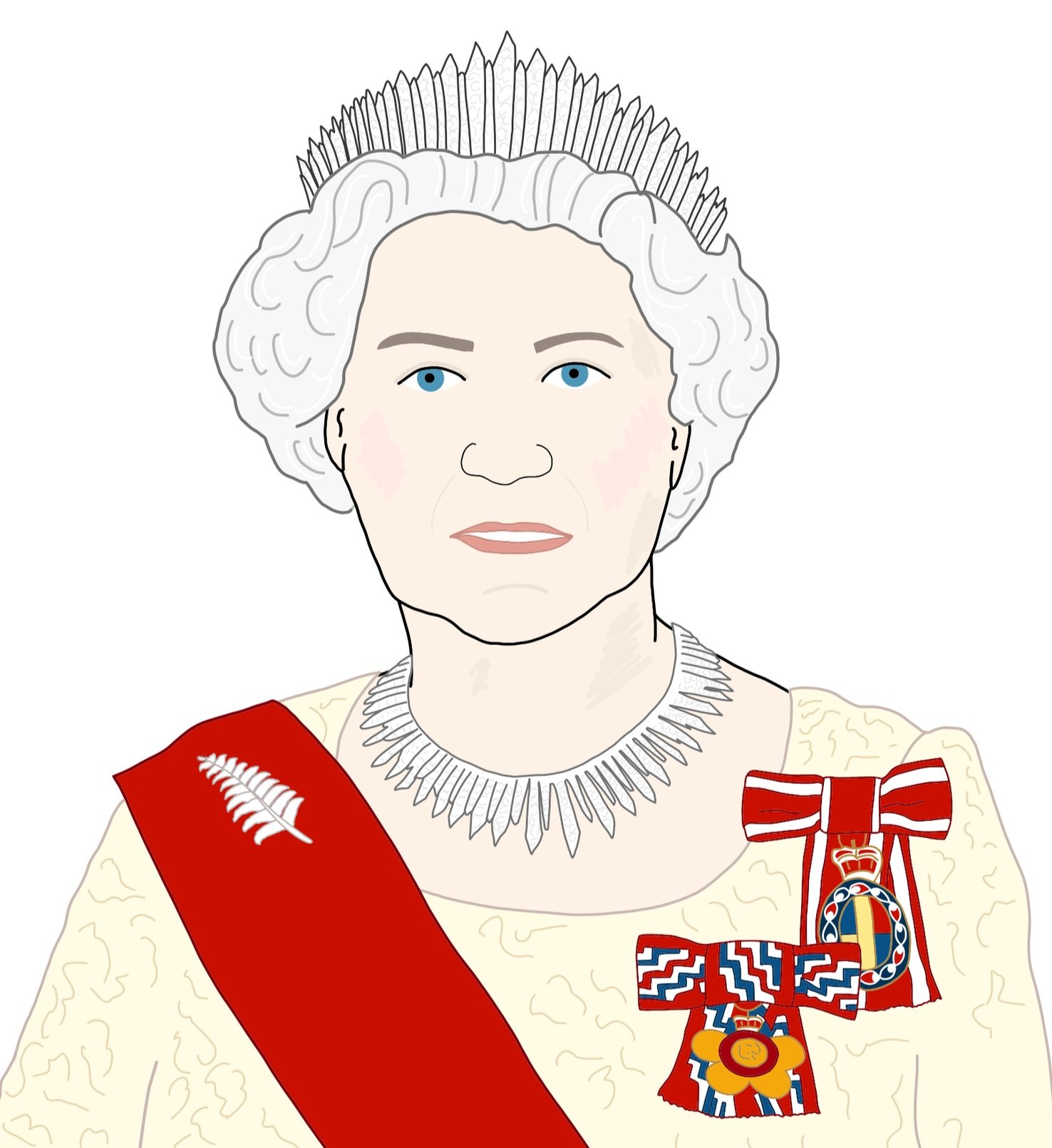
Queen Elizabeth married Philip Mountbatten
1947 - Queen Elizabeth II, who was still a princess at the time, married Lieutenant Philip Mountbatten at Westminster Abbey. The BBC recorded and broadcast the event which was shown to 200 million people around the world. Did you know that her wedding cake was 2.75 metres tall?
1992 - A fire broke out at Windsor Castle when a faulty spotlight set fire to a curtain. The fire damaged 115 rooms, burned for 15 hours and took 225 firefighters to put out. Luckily nobody died and only two works of art were destroyed as many pieces had been removed in advance of works being carried out. Windsor Castle is the largest inhabited castle in the world and was an official residence of Queen Elizabeth II.
On 21st November…
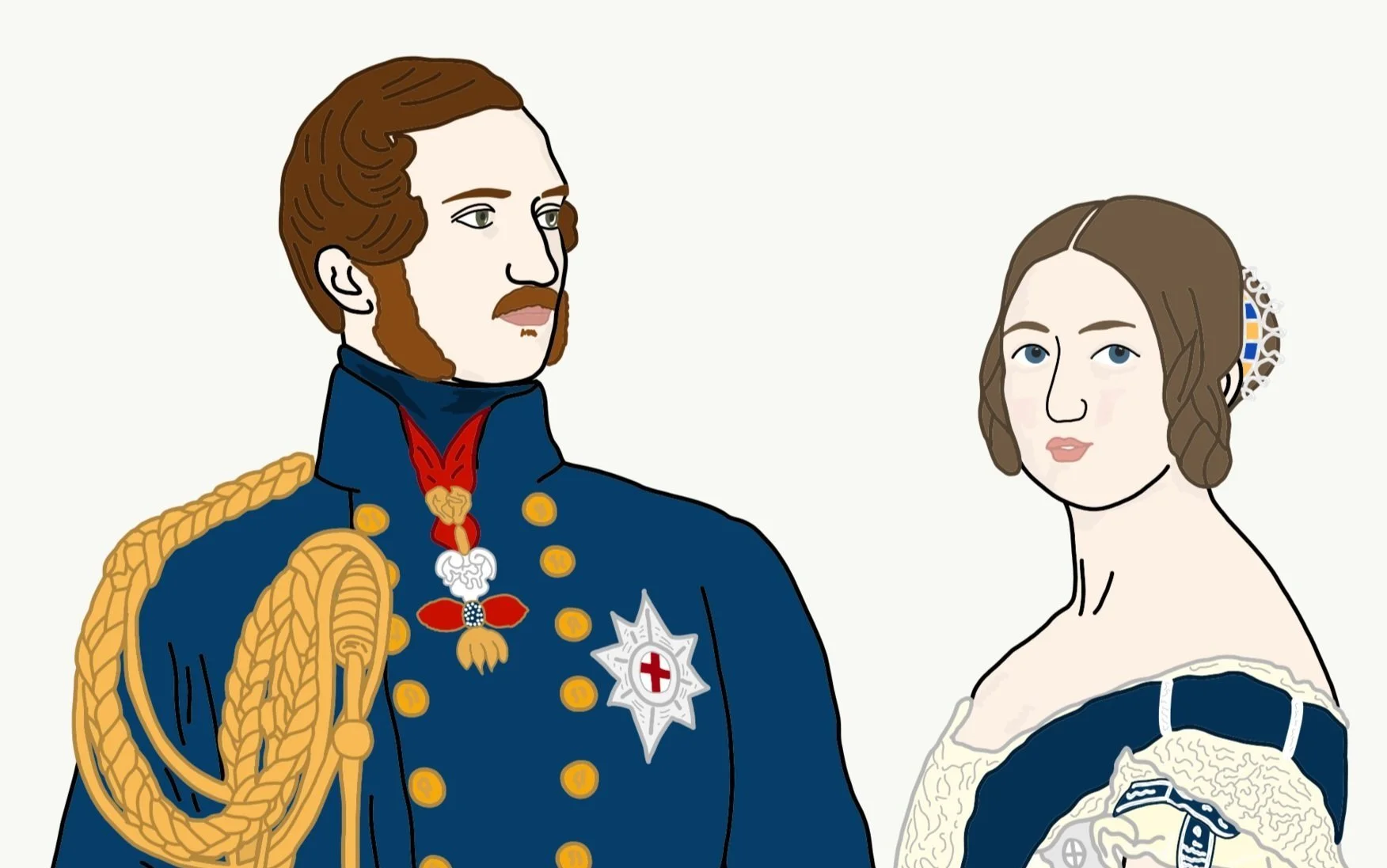
Victoria and Albert’s first child was born
1840 - Queen Victoria gave birth to the first of her nine children; her daughter Victoria Adelaide Marie Louise. Princess Victoria could fluently speak English, German, and French by the age of 3 years. She grew up and married Friedrich Wilhelm of Prussia who became Emperor of Germany. Her son was Kaiser Wilhelm the leader of Germany during World War I.
On 22nd November…
1428 - Richard Neville, 16th Earl of Warwick, was born. He earned the nickname the Kingmaker for the roles he played in helping men to become king of England. First, he helped Edward IV become king, and then later he worked against Edward to get the deposed King Henry VI back onto the throne during the Wars of the Roses.

The infamous pirate ‘Blackbeard’ was killed
1718 - The pirate Edward Teach better known as Blackbeard was killed in a fight with a Royal Navy officer. Lieutenant Maynard beheaded the dead pirate and placed the decapitated head at the front of his ship as a warning to all other pirates in the area. Blackbeard was the most famous and feared of all pirates; it is said that he placed lit fuses under his hat that appeared on either side of his face making him appear naturally fierce and wild and as if he came from hell itself. His legendary buried treasure has never been found.
1819 - George Eliot was born in Warwickshire, England. George was the pen name of Mary Anne Evans; she altered her name in the hope that her writing would be taken seriously because female authors were associated with writing romantic novels and not serious subjects. It worked as some of her famous novels which include Silas Marner and Middlemarch were published. Her books were very successful and popular in the Victorian era.
1963 - C.S. Lewis died. He was the author of The Chronicles of Narnia which includes the tale of The Lion, The Witch and The Wardrobe. During his lifetime he wrote over 30 books and was a professor at both Oxford and Cambridge universities.
1963 - John F. Kennedy, President of the U.S.A, was assassinated by Lee Harvey Oswald whilst being driven through Dallas in an open topped car. He was the youngest man to ever be elected President of the United States of America.
On 23rd November…
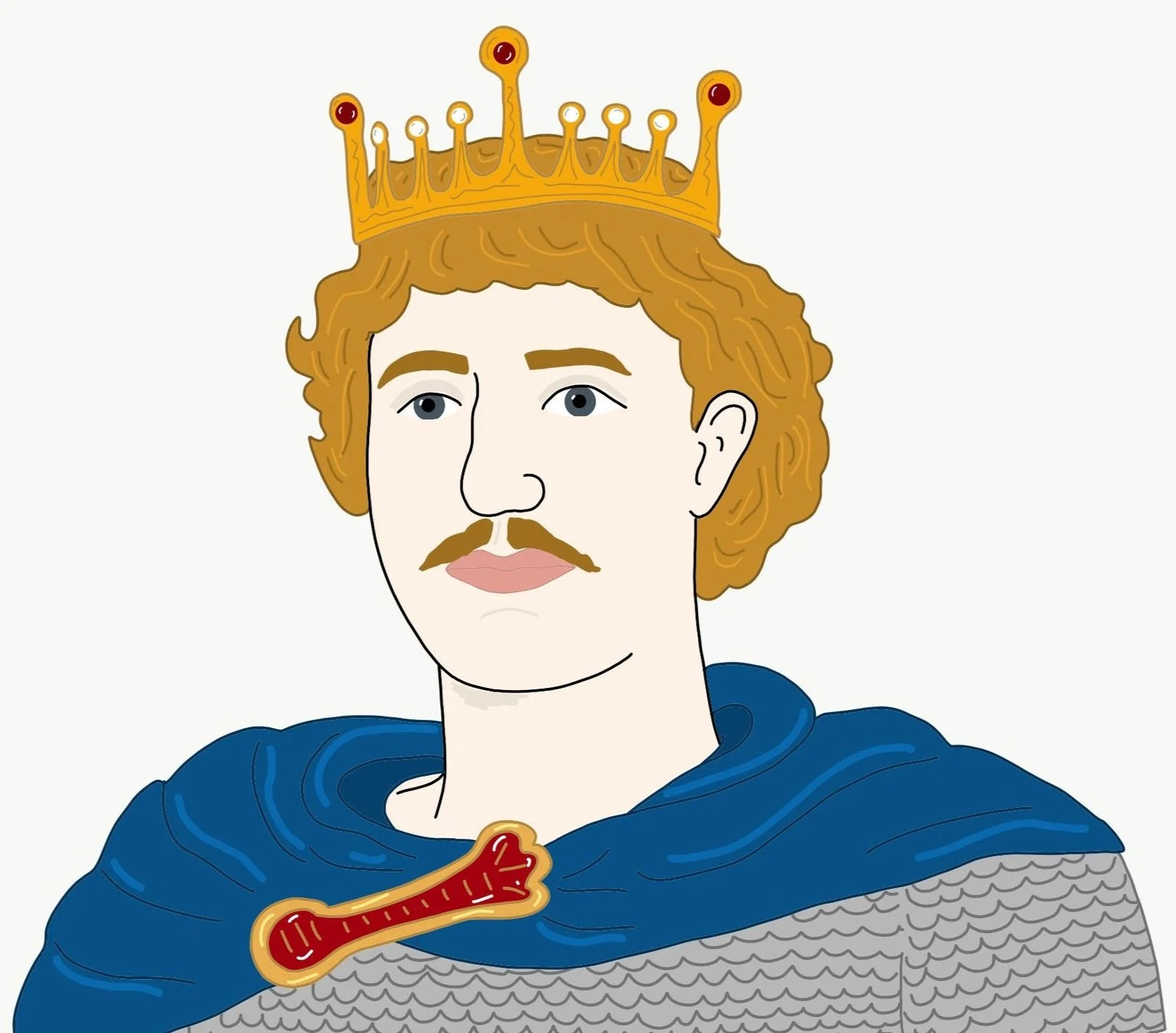
Death of King Eadred
955 - King Eadred, one of the first kings of all England died. He had suffered from poor health all of his life and could barely eat anything. During his reign he defeated the continuous uprisings in Northumbria; the people there had proclaimed the Viking Erik Bloodaxe, then Olaf Sihtricson, and then Erik Bloodaxe again as their king even though they had already acknowledged King Eadred as their overlord.
1499 - Perkin Warbeck was hanged for trying to escape from the Tower of London. Perkin was originally from Belgium but when he was in Ireland, locals there thought he was of royal birth because of his silk clothing. He decided to go along with it, pretending to be the lost son of King Edward IV whose two sons had disappeared from the Tower of London under the reign of their uncle Richard III. Perkin Warbeck gathered support from nobility across Europe and England and attempted to invade several times. On his last attempt, he fled into hiding on hearing that King Henry VII’s army was close by. Warbeck was soon captured and taken to the Tower of London where he was treated quite well considering his crime. It was only when he tried to escape from the Tower that he was sentenced to death by hanging. To be honest it was inevitable that he would eventually be executed because of the threat he posed to the reign of Henry VII. So far, no king in history had allowed anyone to threaten their throne without execution, why would Henry VII be any different?
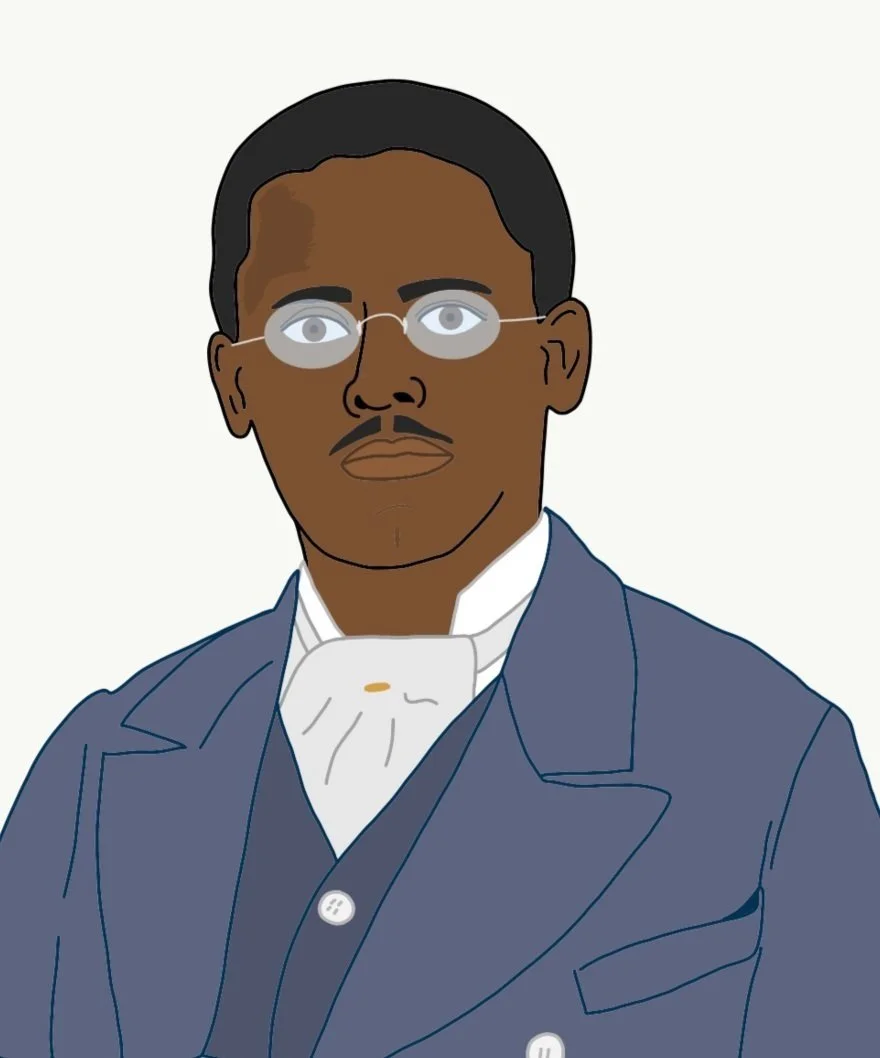
JL Love patented the modern pencil sharpener
1897 - The pencil sharpener as we know it today was patented by J.L. Love. Before this, pencil sharpeners were a lot larger and used a handle to turn the blades to sharpen the pencils. J.L. Love’s design was small enough to put in your pocket or pencil-case.
1990 - Roald Dahl, the British author of books such as Charlie and the Chocolate Factory, James and the Giant Peach and Danny the Champion of the World died. Did you know that as well as being a writer of many books and screenplays, he was also a spy, an ace fighter pilot in the RAF, a chocolate historian, and even helped to invent a medical device?