March 2nd - 8th
On 2nd March
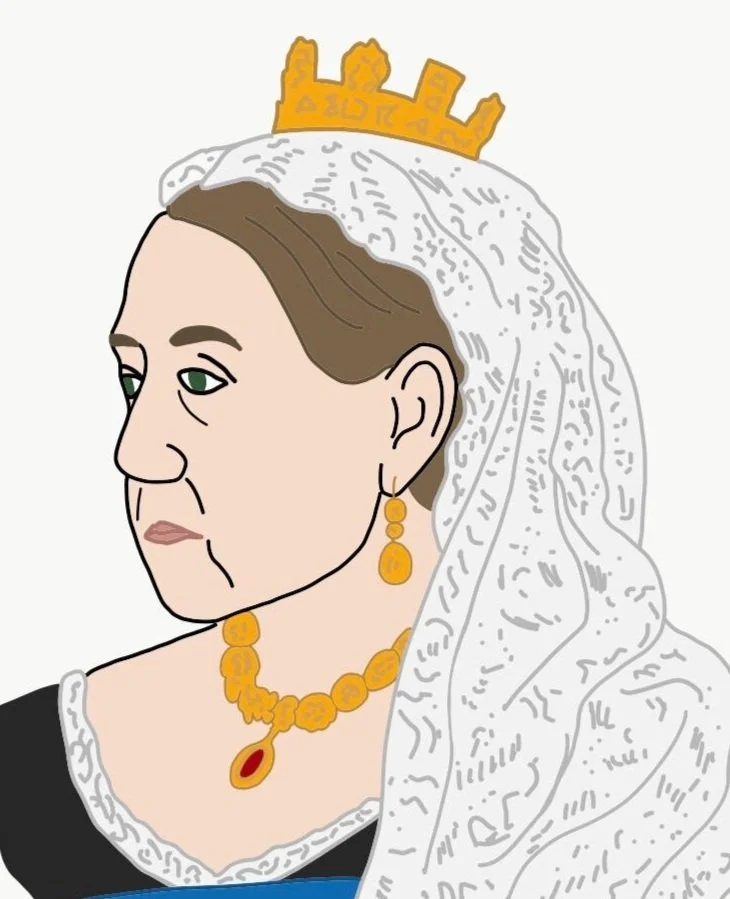
Man tried to shoot Queen Victoria
1882 - An assassination attempt was made on the life of Queen Victoria whilst she was sitting in her carriage at Windsor Station. Roderick Maclean broke through the crowds and shot at the carriage. He was overpowered by the cheering onlookers and nearby police before he could take another shot at the queen. Queen Victoria remained calm and continued on her way to Windsor Castle, after all she thought it was just an explosion from an engine and not somebody trying to kill her. This was the eighth assassination attempt on her life.
On 3rd March…
1284 - King Edward I issued The Statute of Rhuddlan which incorporated the Principality of Wales into England. This meant that from that day onwards the people of Wales had to abide by English law.

Birth of Alexander Graham Bell
1847 - Alexander Graham Bell, inventor of the telephone, was born in Edinburgh, Scotland. His invention looked very different to today’s mobile phones, it was too large to carry in a pocket and was connected to other telephones by a network of wires.
On 4th March…
1824 - The RNLI (Royal National Lifeboat Institution) was founded by Sir William Hillary in a London Tavern. At the time there were around 1,800 shipwrecks around the coast of Britain every year and Sir Hillary refused to sit by and watch more and more people die from drowning. Living on the Isle of Man he had witnessed many shipwrecks first-hand and had helped to save many lives. He decided it was high time that something was done and gathered the support of prominent businessmen to set up the Institution. Did you know that it was originally called the National Institution for the Preservation of Life from Shipwreck? That is a bit of a long name to remember and the initials NIPLS don’t quite sound like an institution for saving lives at sea.
1890 - The Forth Bridge was opened in Scotland. At the height of its construction there were about 4,600 workers employed in the building of the bridge. COnstructing the bridge was not the safest of jobs; over 50 people died, and in one logbook alone there were 26,000 reports of accidents and sickness.
On 5th March…
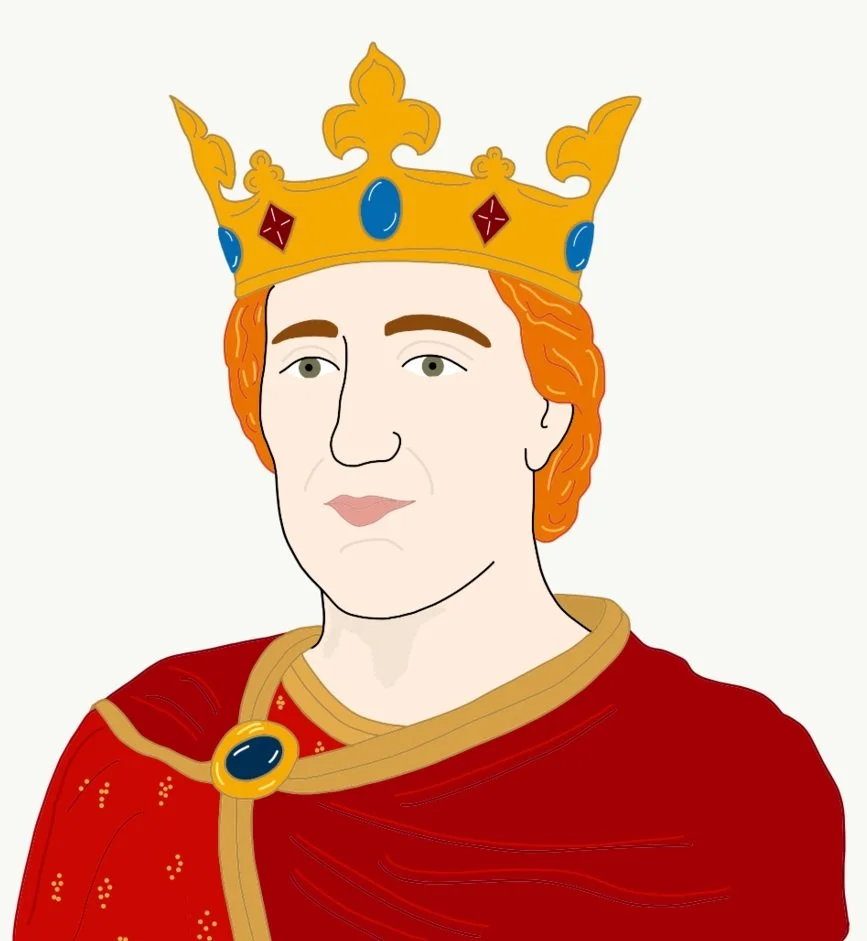
King Henry II was born
1133 - King Henry II of England was born in France. He was the son of Empress Matilda, the daughter of King Henry I, and her second husband, Geoffrey Plantagenet, Count of Anjou. (Anjou is a region in France.) Henry became King of England and began the Plantagenet Dynasty when his cousin King Stephen died.
1790 - Flora MacDonald, the Jacobite heroine who helped Bonnie Prince Charlie to escape dressed as a maid, died. She was imprisoned in the Tower of London for aiding his escape but was later pardoned and released.
On 6th March…
1340 - John of Gaunt was born. He was the third surviving son of King Edward III, and although John never became king, his son, Henry Bolingbroke, did after forcing his cousin Richard II to abdicate.
1475 - The Italian Renaissance artist, Michelangelo was born. His famous works of art include the ceiling of the Sistine Chapel in Rome, and the statue of David.
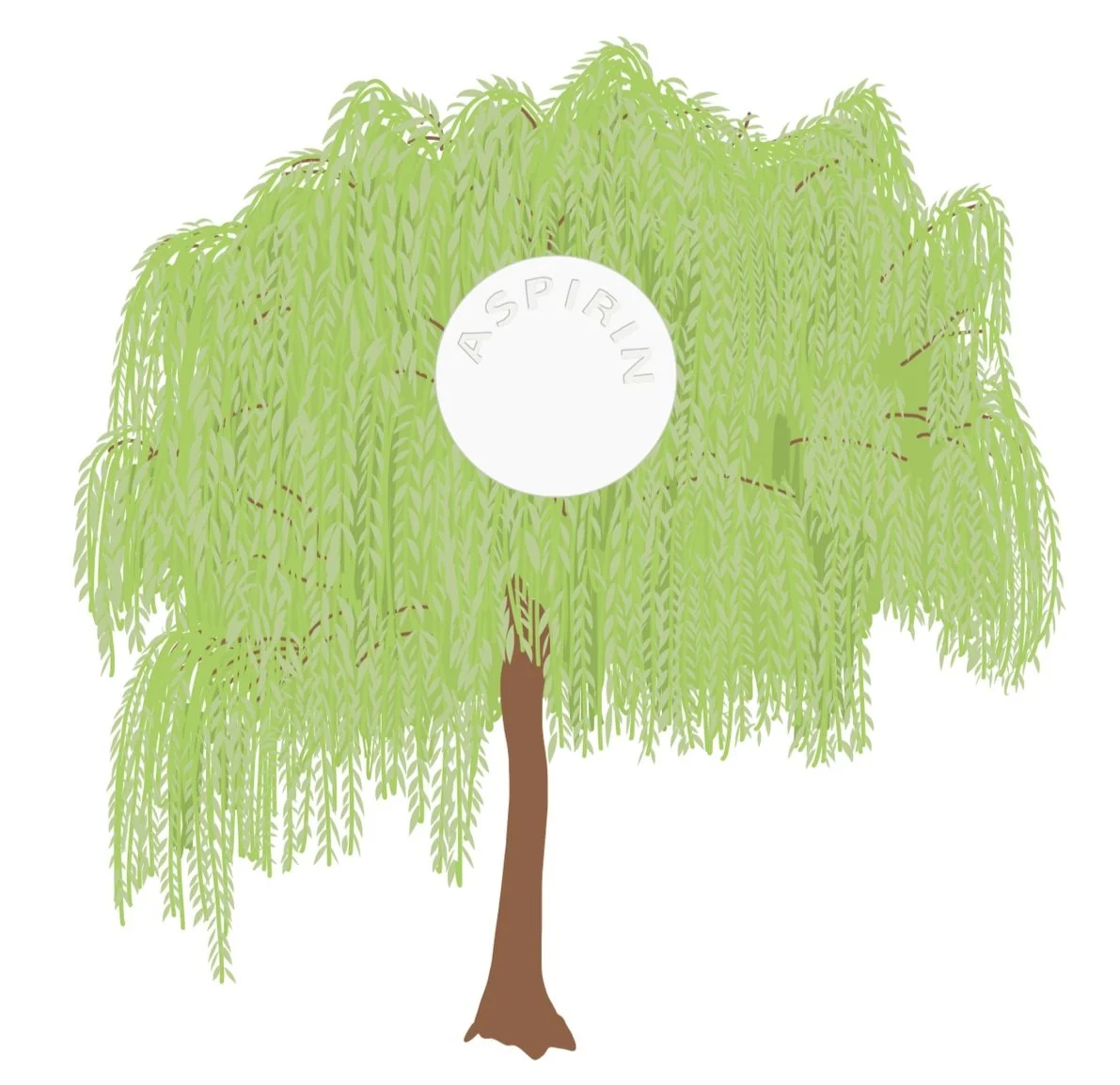
Aspirin was trademarked
1899 - The painkiller Aspirin was trademarked by the company Bayer.
Did you know that the painkiller was originally made from a chemical found in the bark of willow trees? Willow was used by ancient civilisations, such as the Egyptians, as an anti-inflammatory and pain reliever for general aches and pains. In Ancient Greece, Hippocrates gave willow leaf tea to women to relieve the pain of childbirth.
On 7th March…
161CE - Antoninus Pius, the Roman Emperor died. The Antonine Wall in Scotland began construction during his reign and is named after him. If you could have something named after you what would it be?
321CE - Sunday was declared a day of rest by the Roman Emperor Constantine I. We’re certainly glad he did that, are you?
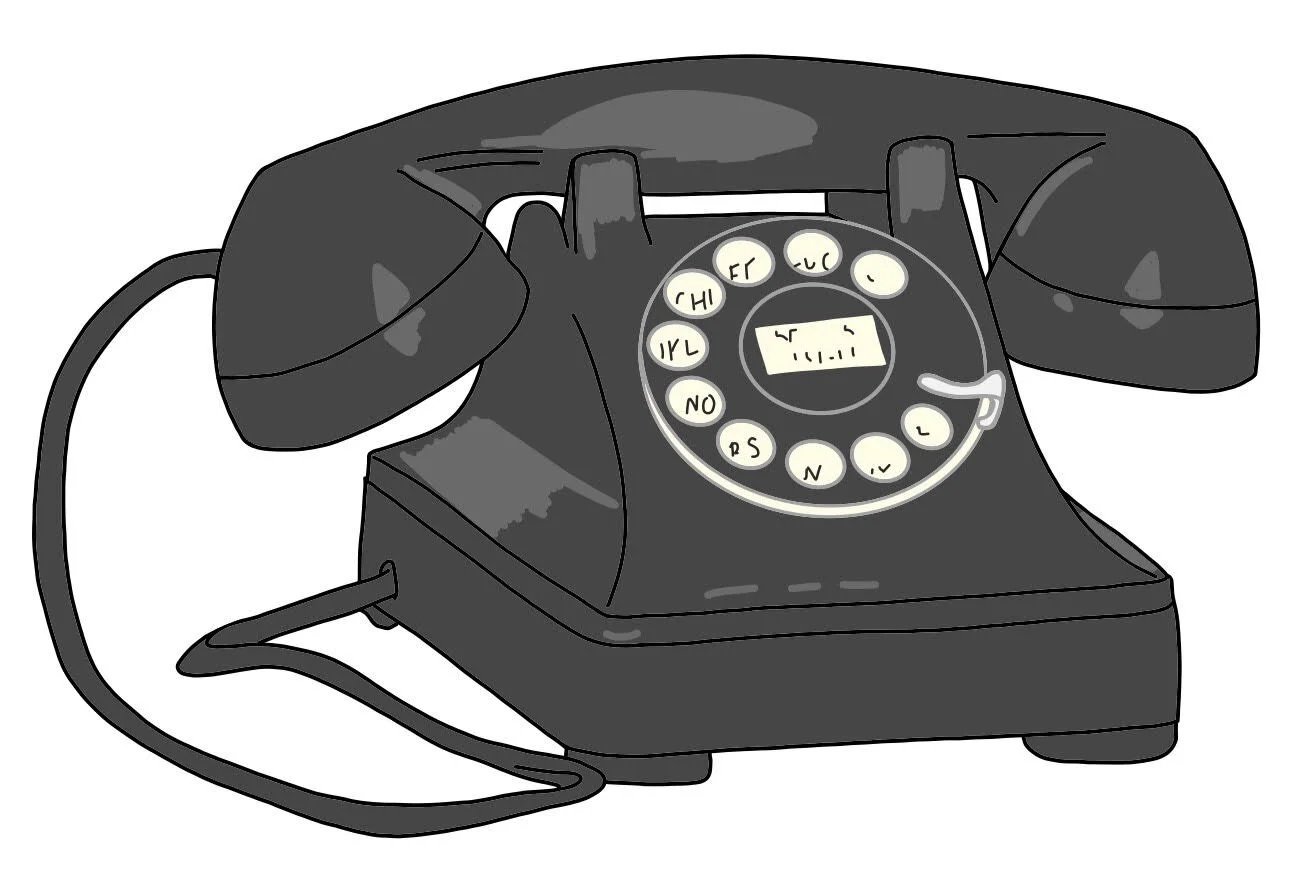
The telephone was patented
1876 - Four days after his 29th birthday, Alexander Graham Bell patented the telephone.
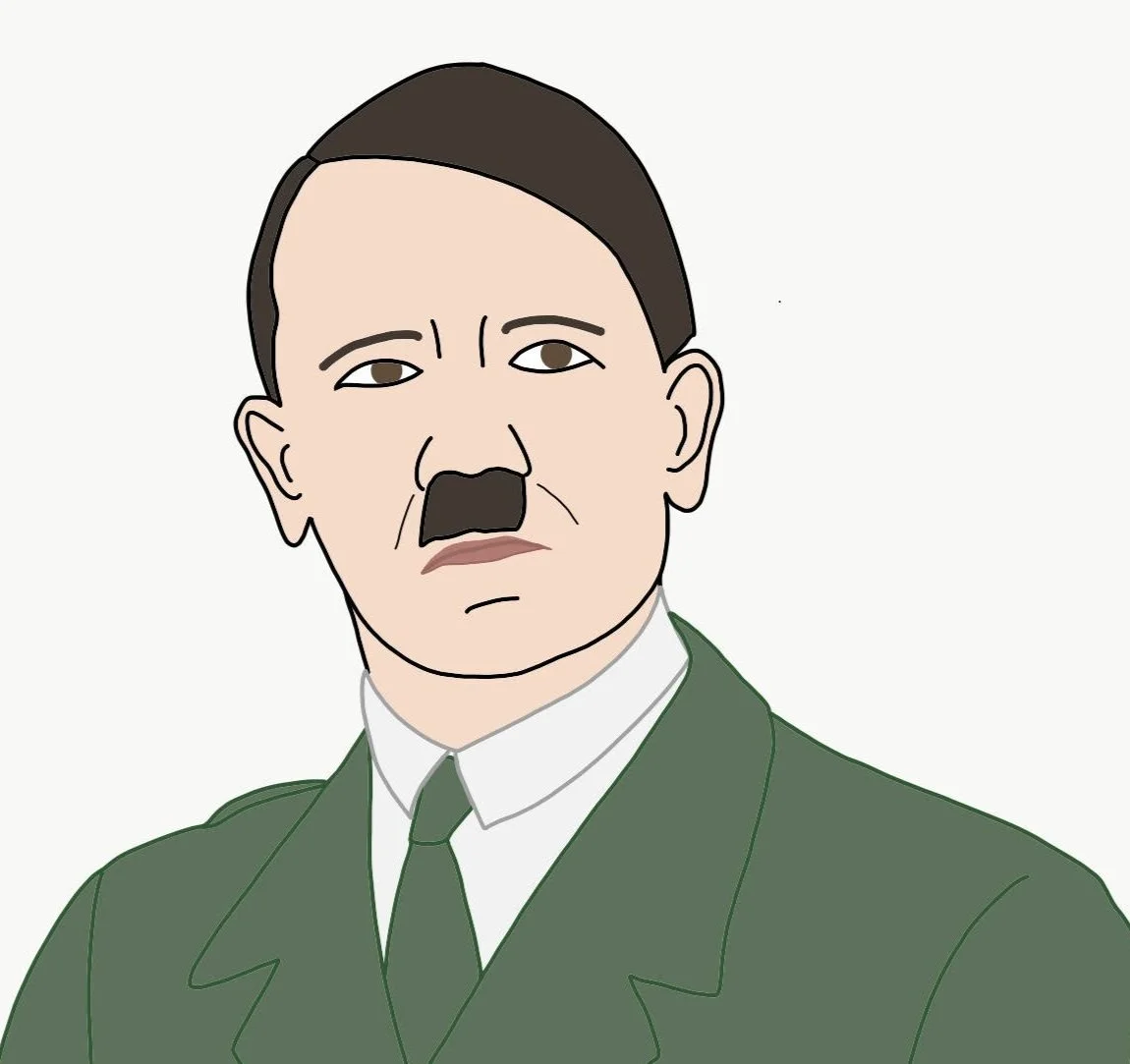
Hitler began to provoke Europe
1936 - Hitler broke the Treaty of Versailles by sending over 20,000 troops into the demilitarised zone along the river Rhine. The zone had been established after World War I to prevent Germany from attacking France; by sending troops there he was beginning to defy the rest of Europe. This action was one of the early signs that World War II was brewing.
On 8th March…
1775 - An anonymous essay was published in the Pennsylvania Journal (an American newspaper) titled African Slavery in America. The essay highlighted the inequalities and injustices incurred upon the slaves in America and paved the way for the country’s first anti-slavery society to be set up. Many people believe that a British writer from Norfolk called Thomas Paine wrote it because he was responsible for many other essays all championing equal rights. His views on equality were often shunned at the time but he is now hailed as a hero for standing up for the rights of all mankind.
1917 - The February Revolution began with riots and strikes in St Petersburg. This was the first phase of the Russian Revolution which brought an end to the Russian royal family and the beginning of communist rule in Russia. Communism is a political system that tries to create a classless society, making everybody equal - the land, the mines and factories etc are all owned by the people, and the wealth is distributed equally amongst everybody. (Although it was in March, it was called the February Revolution because Russia still used the Julian calendar at that time which was 11 days behind the Gregorian calendar, the calendar that the majority of Europe had begun to use.)