March 9th - 15th
On 9th March…
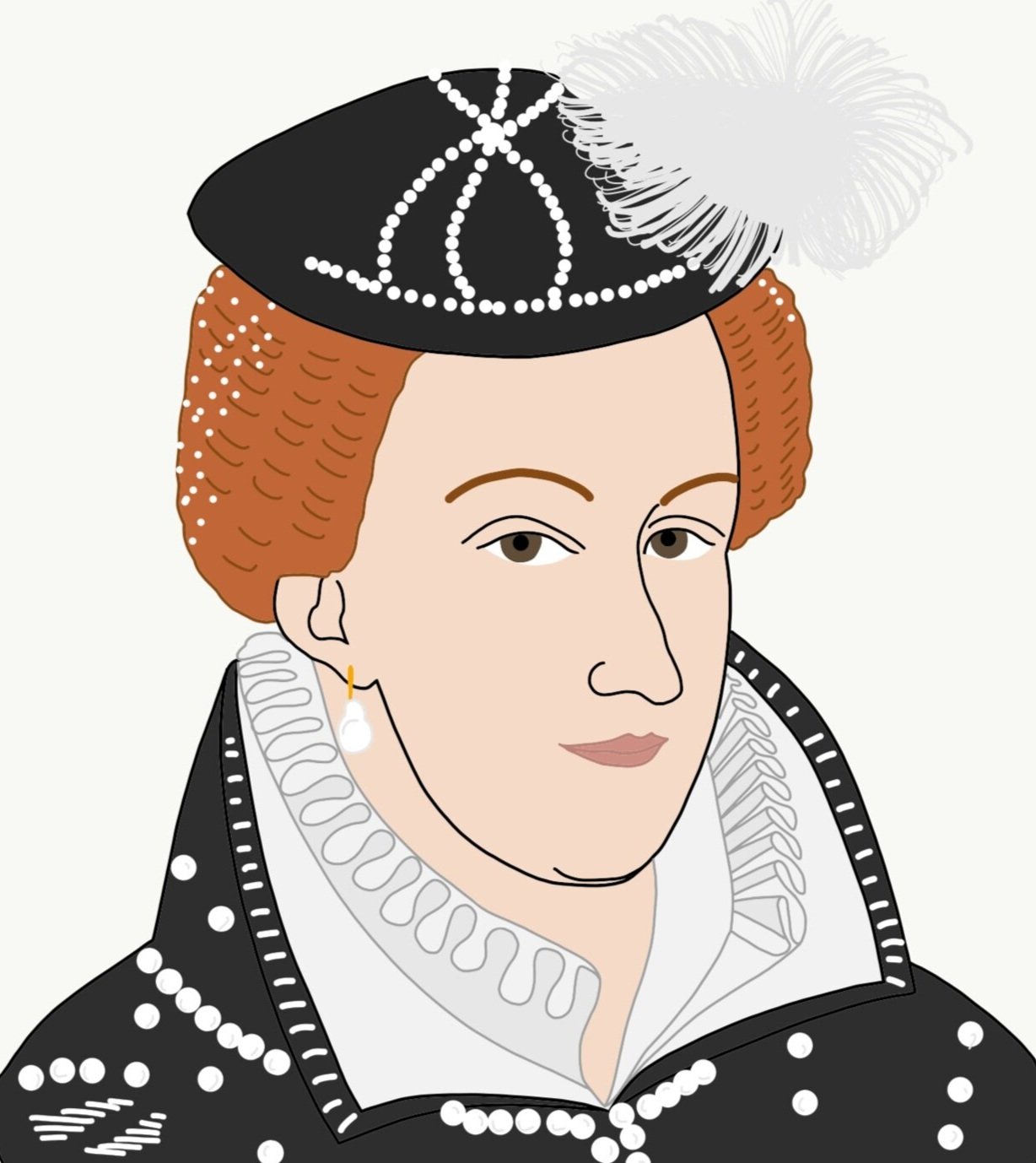
Queen of Scotland witnessed a gruesome murder
1566 - David Rizzio, the secretary to Mary Queen of Scots, was violently murdered. He was having dinner with the Queen and a small group of guests when he was dragged away and stabbed to death. He was stabbed over fifty times in front of the dinner party. Rumours at the time suggested that Lord Darnley, the queen’s husband, was jealous of Rizzio’s friendship with the queen and that Rizzio was the real father to Mary’s unborn child.
1891 - A great storm began to hit the south of England, it lasted for four days. The storm was so fierce that over 200 people and about 6,000 animals died as a result of it. There were snowdrifts nearly 5m high, burying trains and trapping passengers for days; and people ran out of food and coal or wood for their fires. The storm had taken people by surprise because in the morning it was a calm day but by the afternoon a north-east wind had begun to pick up and bring the snow. By the 14th March the weather began to settle but it would take months before all the snow had disappeared from Dartmoor.
Can you imagine being stuck in a snow drift? What would you do? How would you keep warm to survive?
1934 - The first man in space, Russian cosmonaut, Yuri Gagarin was born in the Soviet Union (now known as Russia). Are you brave enough to have been the first person in space? Is there anything you’d like to be the first to do?
1945 - World War II - 334 US B-29 bombers (a type of military aircraft) attacked Tokyo with 120,000 firebombs. The operation was codenamed Operation Meetinghouse, the bombings and resulting fires caused much greater damage and loss of life than the nuclear bombings of either Hiroshima or Nagasaki. It is reported that over 80,000 people were killed in one night, and over a million people were left homeless as a result of the air raid. The Japanese people call this event the Night of the Black Snow.
On 10th March…

The first telephone call was made
1876 - Three days after patenting his new invention, Alexander Graham Bell made the first telephone call to his assistant in the next room. His famous words were, “Mr Watson, come here I want to see you.” Can you imagine a world without telephones? How would you contact your friends and family? Perhaps you would write to them or visit them more often, or do you think you’d try and invent a machine like a telephone?
On 11th March…
1702 - England’s first daily newspaper was published by a woman called Elizabeth Mallet. The Daily Courant was just a single sheet of paper with two columns of news on one side and adverts on the back. Elizabeth wrote the paper pretending to be a man and claimed only to provide the facts without allowing her opinion to blur anything printed. Why do you think she pretended to be a man writing the paper?
On 12th March…
1894 - Coco-Cola was sold in bottles for the first time. Before this it had been sold as a fountain drink (similar to how it is often served in a pub) and poured into a glass by the vendor.
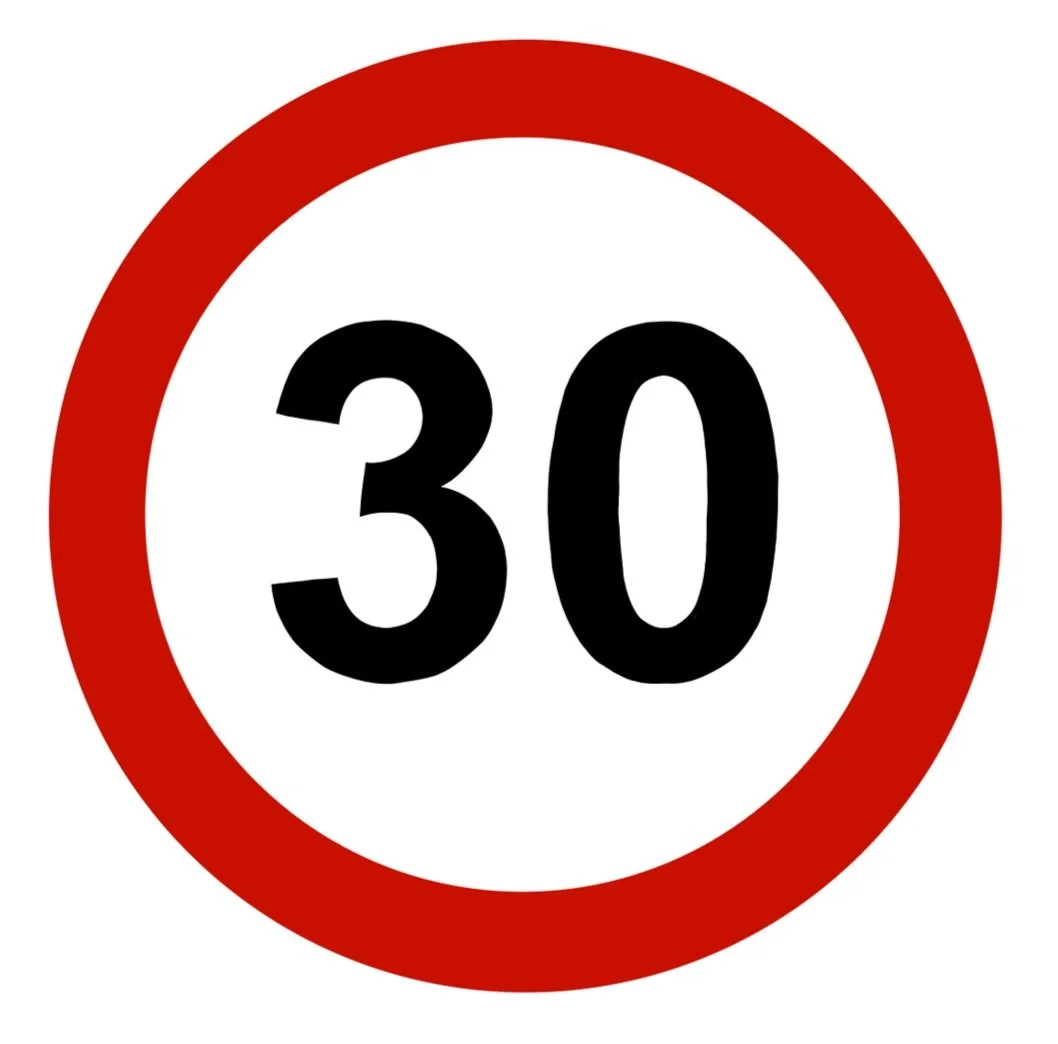
A speed limit for British roads was introduced
1935 - Britain established a 30mph speed limit for towns and villages in a bid to reduce the number of deaths caused by dangerous driving. The year before this law was made, in 1934, there were over 2 million motor vehicles on Britain’s roads and 7,343 fatalities. In 2025 there were just over 42 million vehicles on the roads with less than 1,600 fatalities. There were however, over 28,000 serious injuries caused by vehicles.
Do you think that introducing the speed limit worked? What do you think of the lower 20mph speed limit being introduced to many roads?
On 13th March…
1781 - Uranus was discovered by an amateur astronomer called William Herschel. Did you know that Uranus takes 84 years to orbit the Sun whereas it only takes the Earth one year?
1935 - Voluntary driving tests were introduced in Great Britain. These came into force the day after the speed limit was set at 30mph on roads in towns and villages. Compulsory driving tests were brought in just over two months later. Compared to today’s driving tests, they were very basic; there was not a theory test at all, just the practical aspects of driving.
1996 - At Dunblane Primary School in Scotland, sixteen children and one teacher were shot dead by Thomas Hamilton who then committed suicide. The tragedy brought about a ban on all handguns in the UK. Safety in schools has been greatly increased since then with every school having a buzz entry system. Today there is a memorial garden with a fountain and plaque to remember the children and their teacher.
On 14th March…
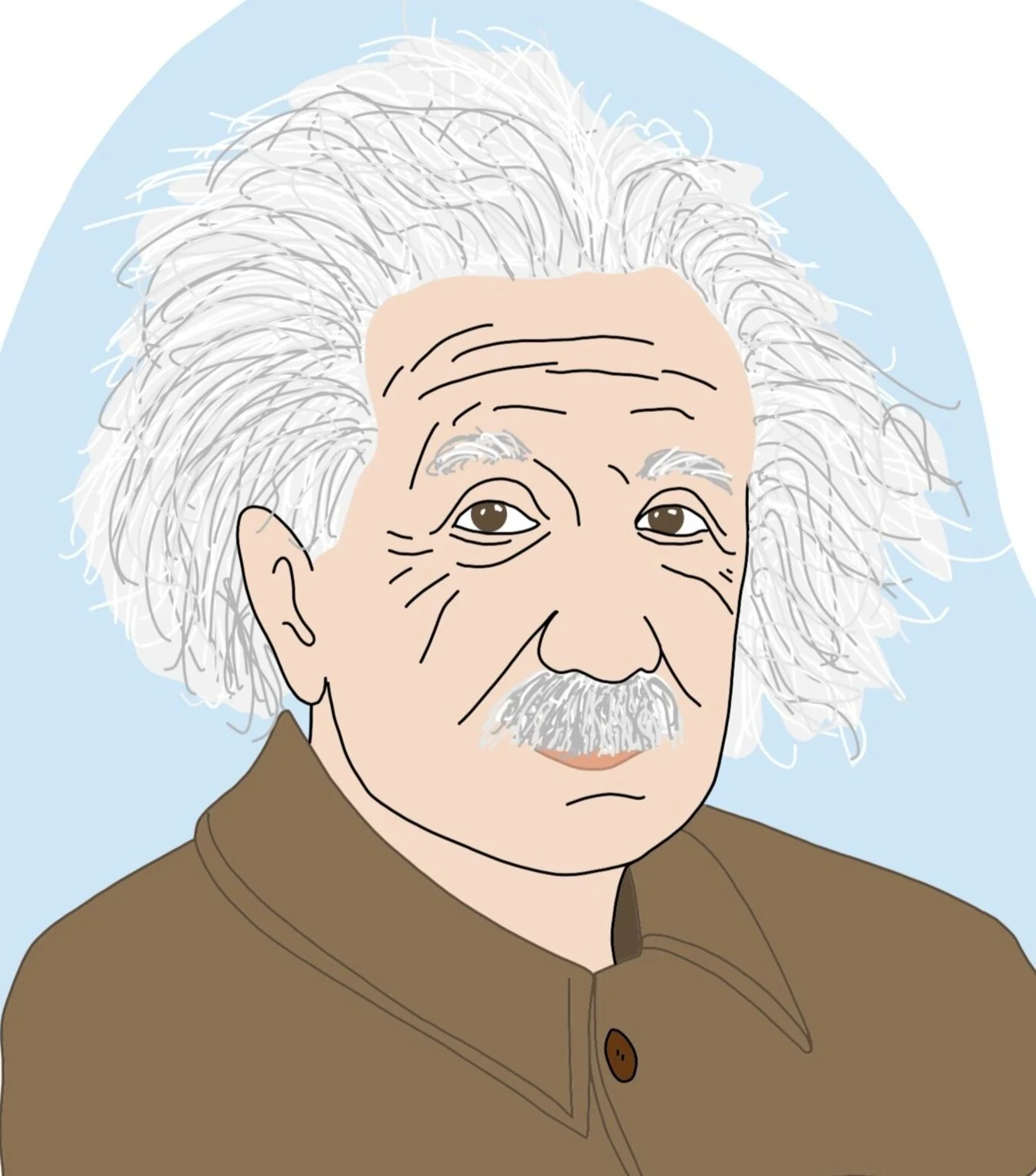
Albert Einstein was born
1879 - Albert Einstein, the scientist, was born. He is best known for his ‘Theory of Relativity’ and the concept of mass energy equivalence which is expressed by the famous equation E=mc².
If you can understand what all that means, can you please explain it in simple terms to me because I have no idea.
2018 - Stephen Hawking, the famous scientist who was left paralysed in a wheelchair because of Motor Neurone Disease, died. He was diagnosed with the disease in his early twenties and was not given long to live, but despite this he was 76 years old when he died. Hawking is famous for his work on black holes; his most famous book was called ‘A Brief History of Time: From the Big Bang to Black Holes’.
On 15th March…
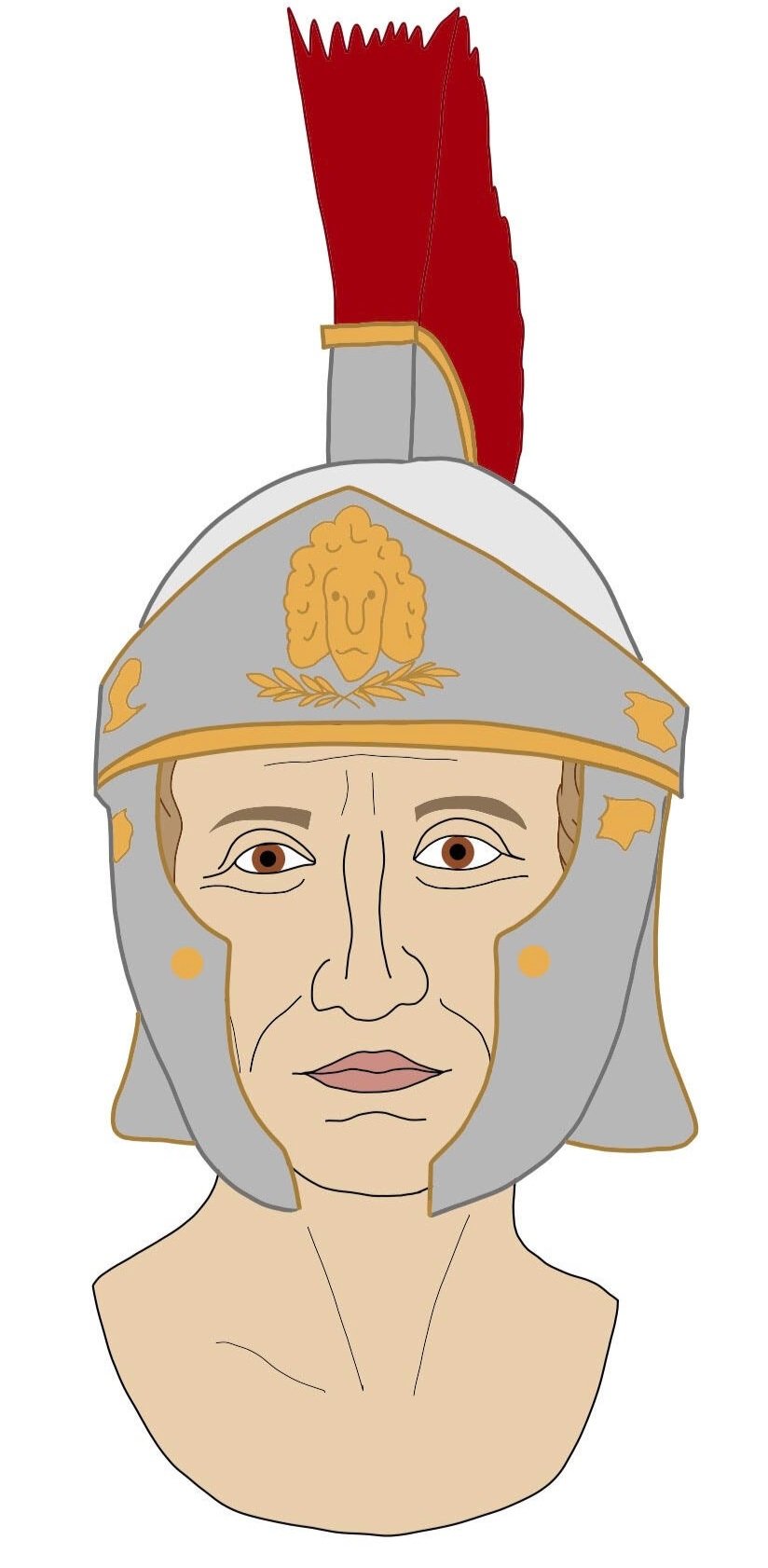
Julius Caesar was stabbed to death
44BCE - Julius Caesar, one of the most famous of all Roman Generals, was stabbed to death by the Roman Senate who had become wary of his powers and his desires to become King.
Julius Caesar had been warned he would die in the middle of March by a seer who told him to ‘beware the Ides of March’. For Romans ‘the Ides’ meant the middle of the month, therefore ‘the Ides of March’ is around the 15th day of March.