February 23rd - March 1st
On 23rd February
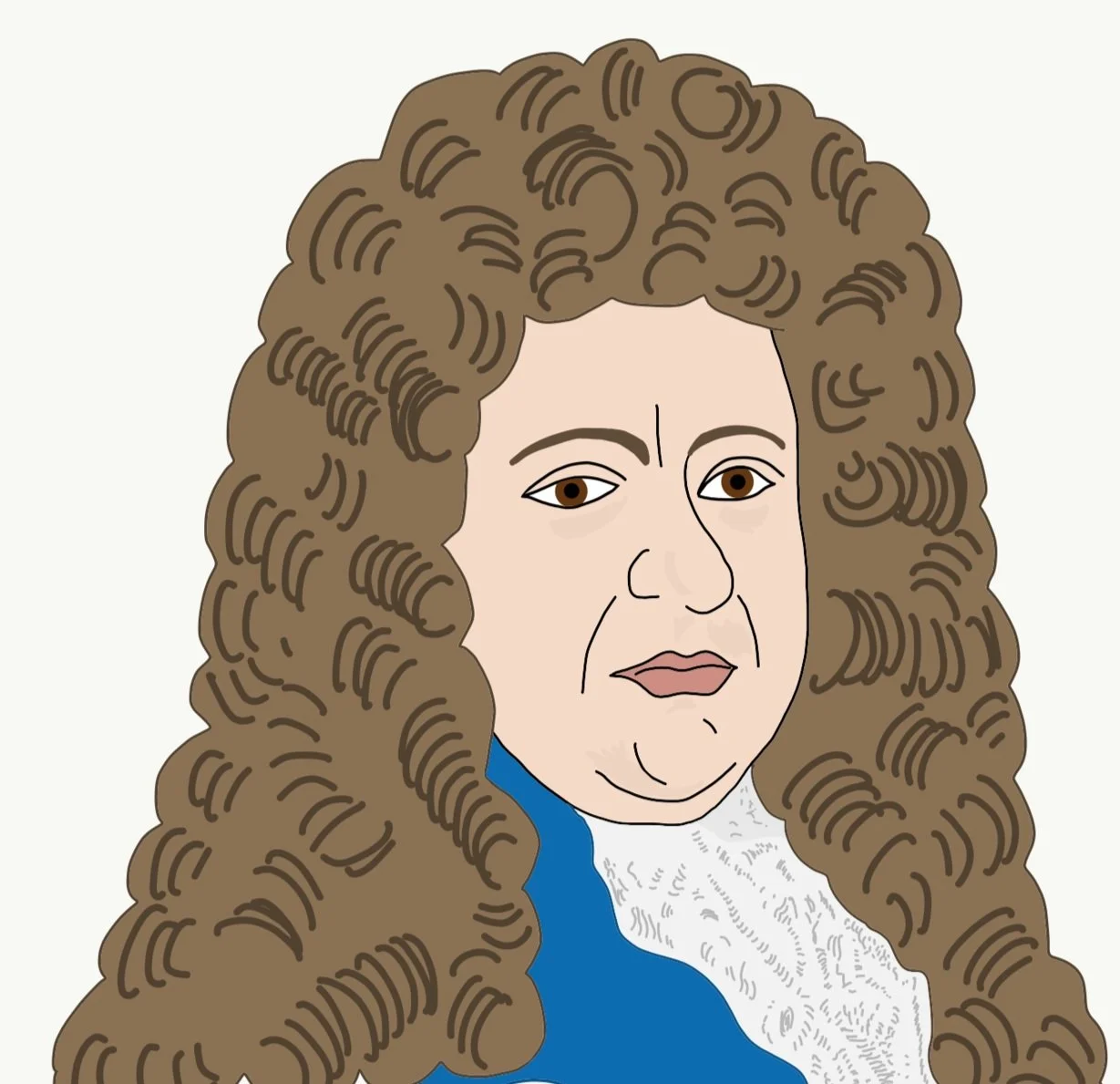
Samuel Pepys was born in London
1633 - Samuel Pepys, the famous diarist, was born near Fleet Street in London. In his diary, he recorded events such as the Great Fire of London and the Plague.
Do you keep a diary? What do you think people would say if they found your diary 500 years from now?
On 24th February…
616 - King Aethelbert, the Anglo-Saxon king of Kent, died. He is thought to have been the first Anglo-Saxon king to welcome Christianity. Before then, most Anglo-Saxons believed in similar gods to the Vikings: Woden, Thunor, Frige and Tiw. Some of our days of the week have been named after these gods, can you work out which days they are? (Answer: Woden’s day = Wednesday / Thunor’s day = Thursday / Frige’s day = Friday / Tiw’s day = Tuesday)
1303 - The Battle of Roslin took place in Scotland between English and Scottish troops. The Scottish forces, who by most accounts were outnumbered 30,000 to 8,000, defeated the English and sent them packing in a series of three bloody battles. This was a major victory for the Scots who were led by John Comyn and Simon Fraser; Scotland had not beaten England in battle since the Battle of Falkirk in 1298. With only around 2,000 English soldiers still alive at the end, it showed King Edward I of England that Scotland was still a force to be reckoned with.
On 25th February…
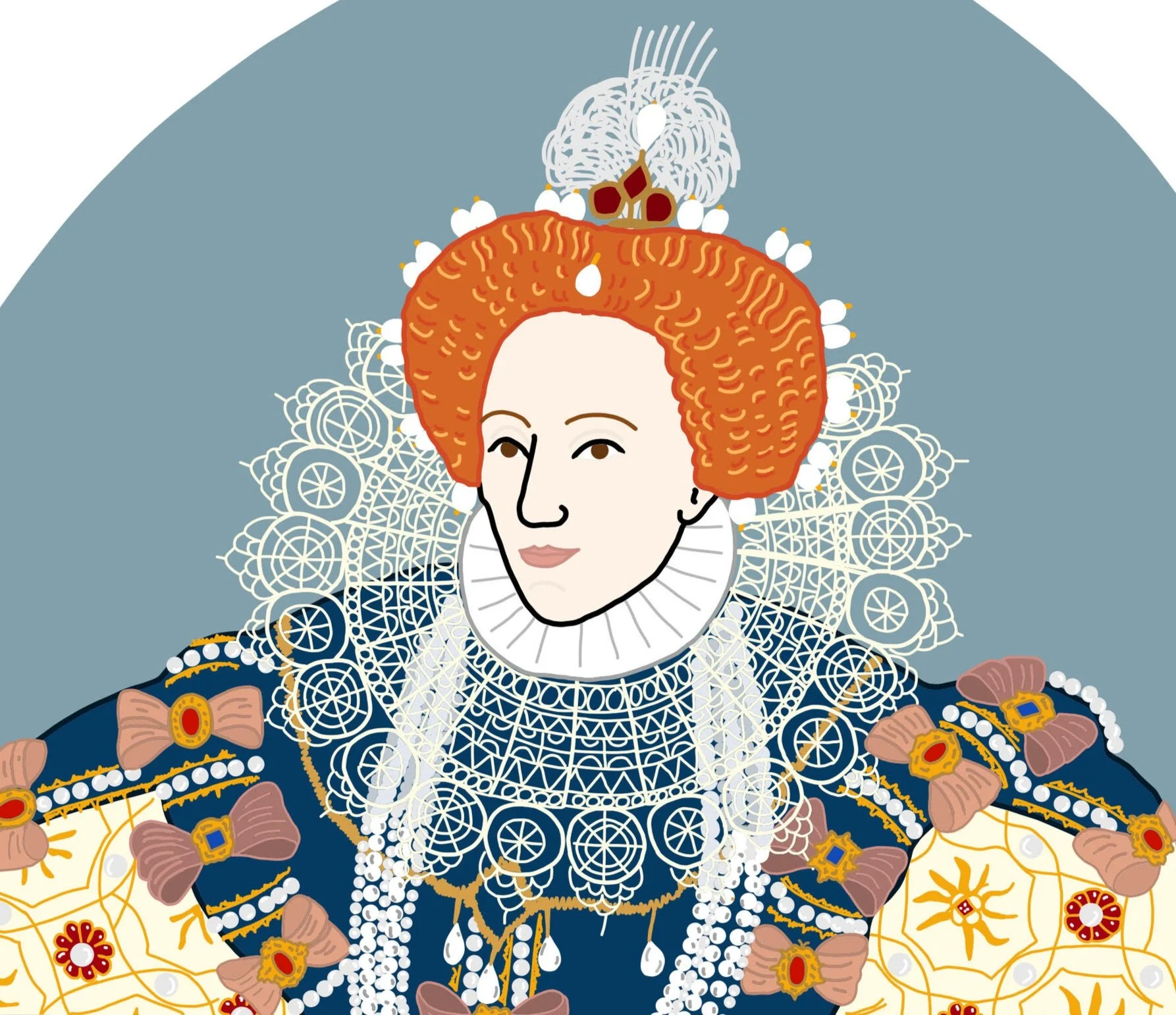
Queen Elizabeth I was excommunicated by the Pope
1570 - Following in the footsteps of her father King Henry VIII, Queen Elizabeth I was also excommunicated by the Pope, although not for the same reasons. Pope Pius V issued the papal bull (public decree or order) entitled ‘Regnans in Excelsis’. This declared that Queen Elizabeth I was not part of the Catholic Church and deprived her of her reign over England. It also ordered all English men and women to disobey her laws or commandments and that if they continued to listen to her then they too would be excommunicated. The Pope’s actions caused the English Parliament to pass a law which made it illegal for anyone to bring a Papal Bull into England and another law which made it treasonous to state that Elizabeth I was not the true queen of England.
What had Elizabeth I done to deserve this Papal Bull? She had made England a Protestant country again.
On 26th February…
1797 - The Bank of England issued the very first £1 note. The very last English £1 note was printed by the Bank of England on 31st December 1984 and was withdrawn from circulation in 1988 in favour of the £1 coin. (Scotland continues to issue £1 notes which can be used anywhere in the U.K.)

Radar was demonstrated for the first time
1935 - Radar was first demonstrated by Robert Watson-Watt in Daventry, England. Radar is a detection system that uses radio waves to determine the distance, speed and angle of various objects. Radar stands for Radio Detection And Ranging.
Can you imagine how an air traffic controller would guide all the aeroplanes to the airport without this invention? There would probably be a lot of air collisions.
On 27th February…

Succession to the Crown discussed in Parliament
1998 - The House of Lords in England first discussed putting an end to 1,000 years of male precedence by allowing a monarch’s first-born daughter the same claim to the throne as any first-born son. This would mean that if a King or Queen had a daughter before a son, the girl could become queen before her younger brother became king. If the law was to stay the same then the brother would become King no matter how old he was. It took another 15 years for this to become law under the Succession to the Crown Act (2013).
Can you imagine being the older sister to a younger prince, how would you feel if he got to become king over you? Or would you prefer to be in the background and not have to do all the duties that the monarch performs?
On 28th February…
364 - Valentinian I became Roman Emperor. In 399, he managed to restore order to Roman rule in Britain after the native tribes rebelled and overthrew the Romans taking back control of the land. Emperor Valentinian had to send a large army, headed by General Theodosius, to try and regain control. The Roman Army used soldiers from all over the Roman Empire. The local Celts had overthrown the Romans and had been in control for nearly two years. Less than fifty years later all the Romans left Britain to tackle other problems on the European continent.
On 1st March…

Happy Saint David’s Day
589 - Saint David, the patron saint of Wales died. He is buried at Saint David’s cathedral on the Pembrokeshire coast in Wales. This day is now known as St David’s day and is celebrated by Welsh people all around the world. People wear daffodils or leeks to celebrate this day in Wales.
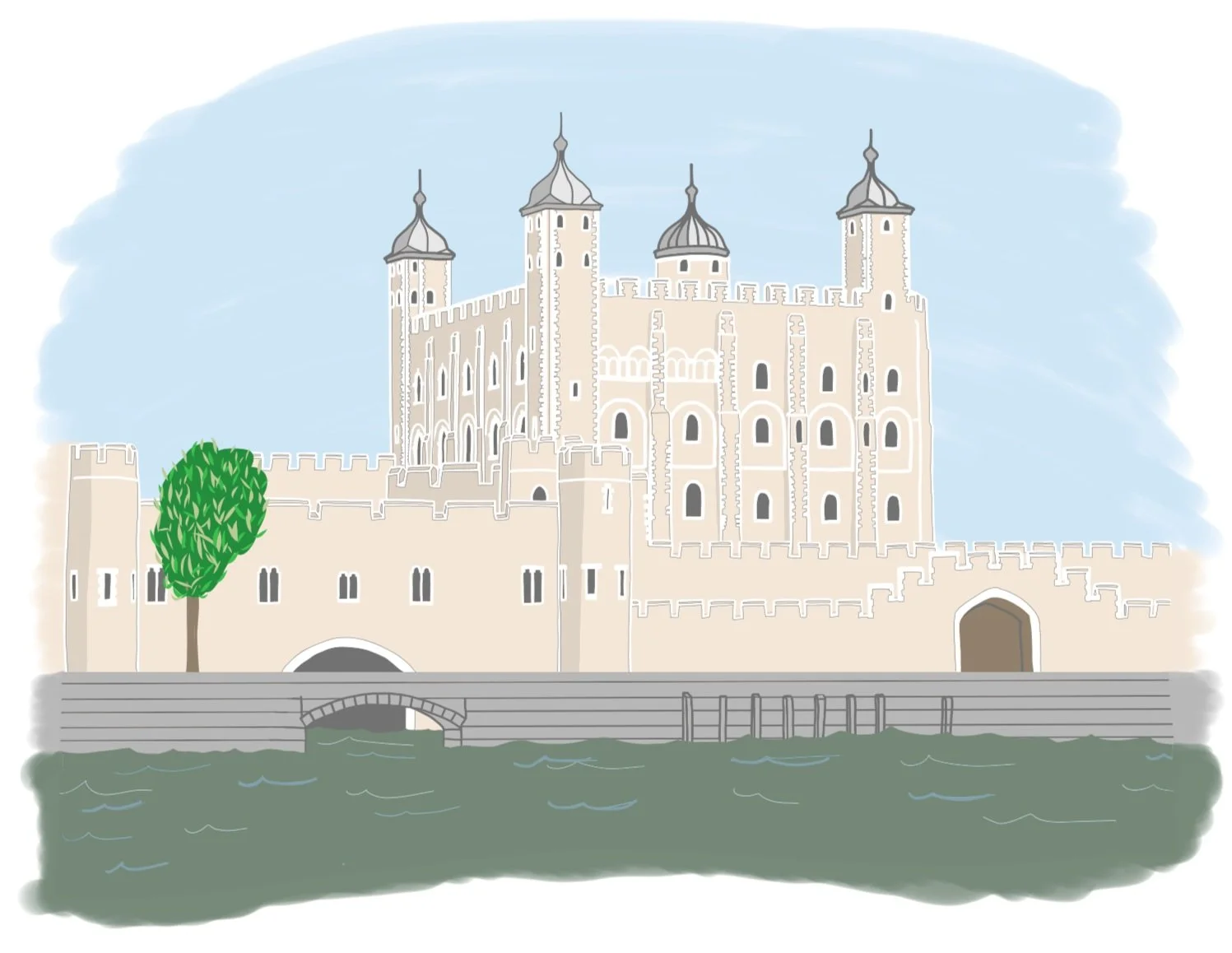
Failed escape from the Tower
1244 - Gruffydd ap Llywelyn Fawr, the son of the Welsh leader Llywelyn the Great died whilst trying to escape from the Tower of London. He had made a makeshift rope out of sheets and blankets and was attempting to climb from his window. The rope broke and Gruffydd fell to his death.