July 28th - August 3rd
On 28th July…
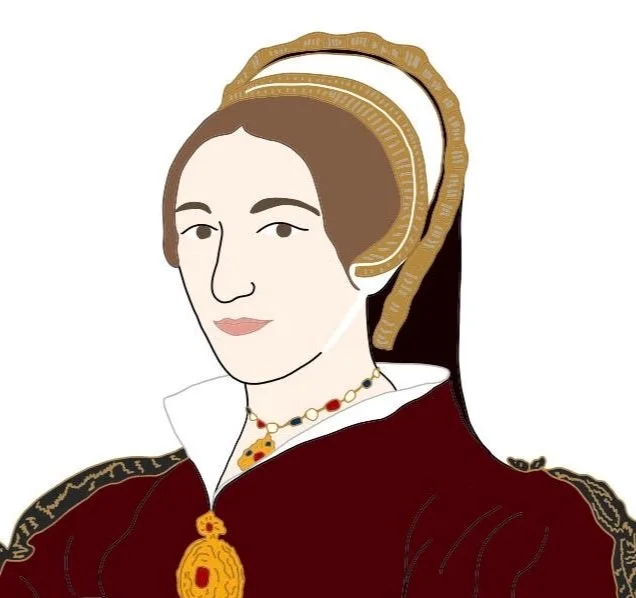
Katherine Howard became the 5th wife of Henry VIII
1540 - King Henry VIII of England married his fifth wife, Katherine Howard. Little did Katherine know that the marriage would not last long, or that her fate would end on the executioner’s block.
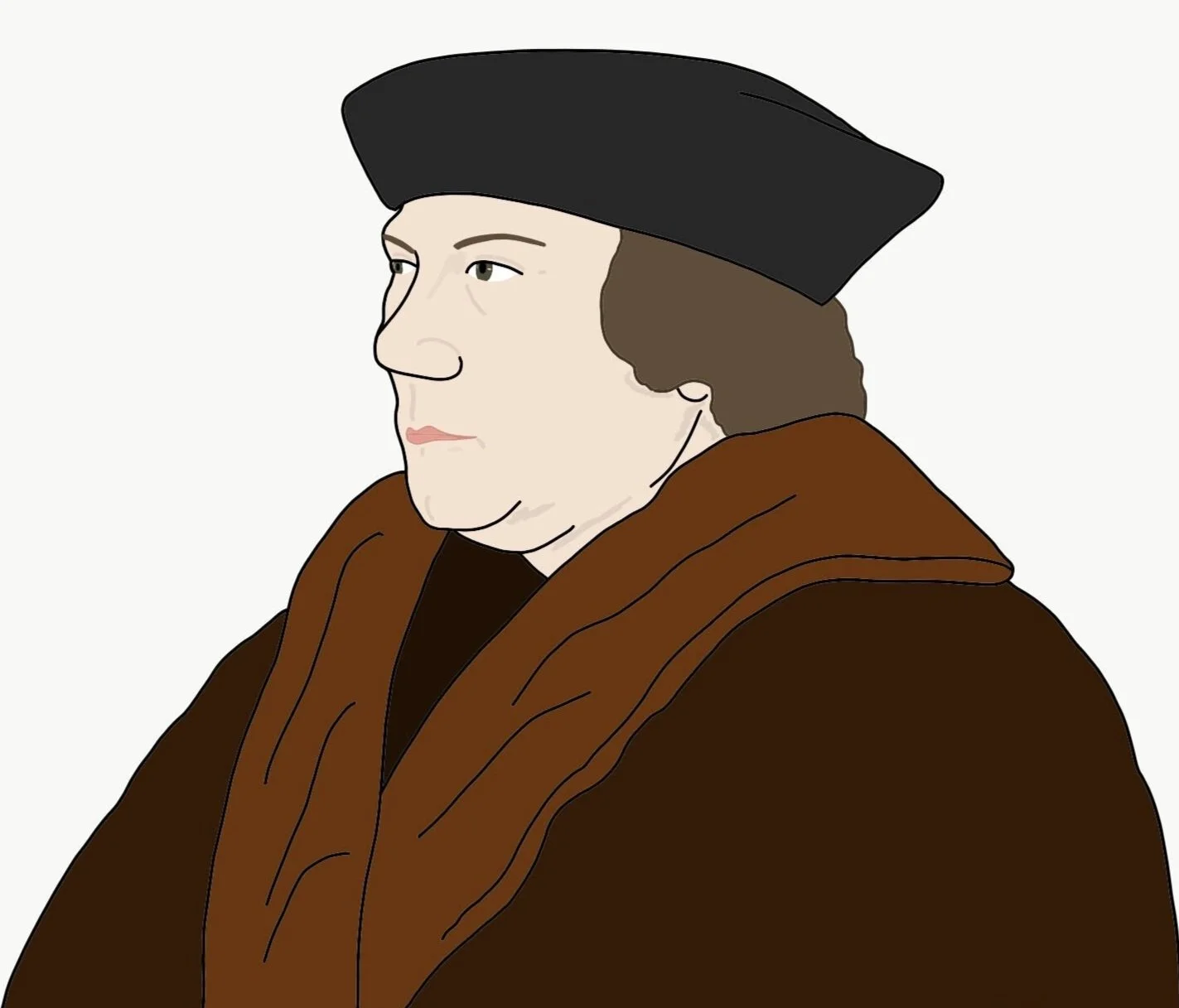
Thomas Cromwell was executed
1540 - Thomas Cromwell, the once trusted adviser and chief minister to King Henry VIII was executed on the king’s orders for treason and heresy. It took three blows of the axe before his head was cut clean from his body. He was executed the very same day that Henry VIII married his fifth wife, Katherine Howard.

Beatrix Potter was born in London
1866 - Beatrix Potter, the English author and illustrator, was born in London. Her many stories include tales of Peter Rabbit (pictured), Squirrel Nutkin and Jemima Puddle-Duck.
1914 - World War I began when Austria-Hungary declared war on Serbia following the assassination, exactly one month earlier, of the Austrian Archduke Franz Ferdinand and his wife by a Serbian nationalist.
1943 - During World War II, in the space of 43 minutes in the very early hours of the day, Allied bombers rained down 2,326 tonnes of incendiary bombs onto the German city of Hamburg during Operation Gomorrah. The Operation lasted a week, around 42,000 German civilians were killed, and a further 37,000 were wounded in the fires that engulfed the city reaching temperatures of 800C (1,500F).
On 29th July…
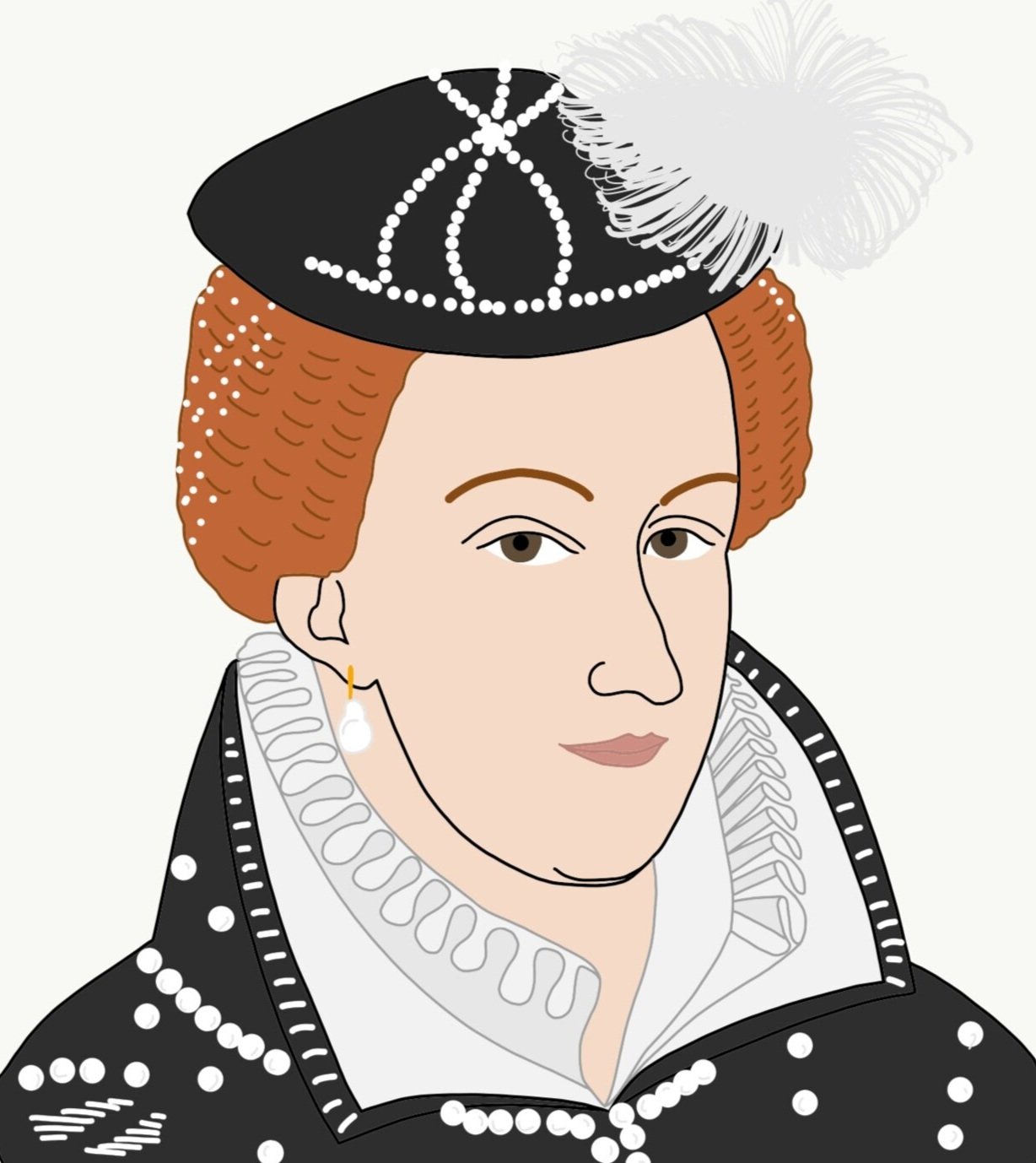
Mary, Queen of Scots married her cousin
1565 - Mary Queen of Scots, married her cousin, Henry Stuart, Lord Darnley. The marriage resulted in the birth of King James VI and ended with the still unsolved murder of Lord Darnley in 1567.
1981 - King Charles III married his first wife, Lady Diana Spencer, at St Paul’s Cathedral in London. The ceremony was watched by over 700 million people around the world. Together they had two sons, Prince William and Prince Harry.
On 30th July…
1818 - Emily Bronte was born in England. Emily had two sisters: Charlotte and Anne. All three sisters were poets and writers. Emily wrote only one novel - Wuthering Heights.
1900 - The Central London Railway was opened by the Prince of Wales, the future King Edward VII. The line ran from Shepherds Bush to Bank and is now part of the Central Line of the London Underground.
1914 - Reluctantly Russia backed Serbia at the beginning of World War I. The Russian leader, Tsar Nicolas II, is reported to have mournfully said, “Think of the thousands and thousands of men who will be sent to their deaths.”
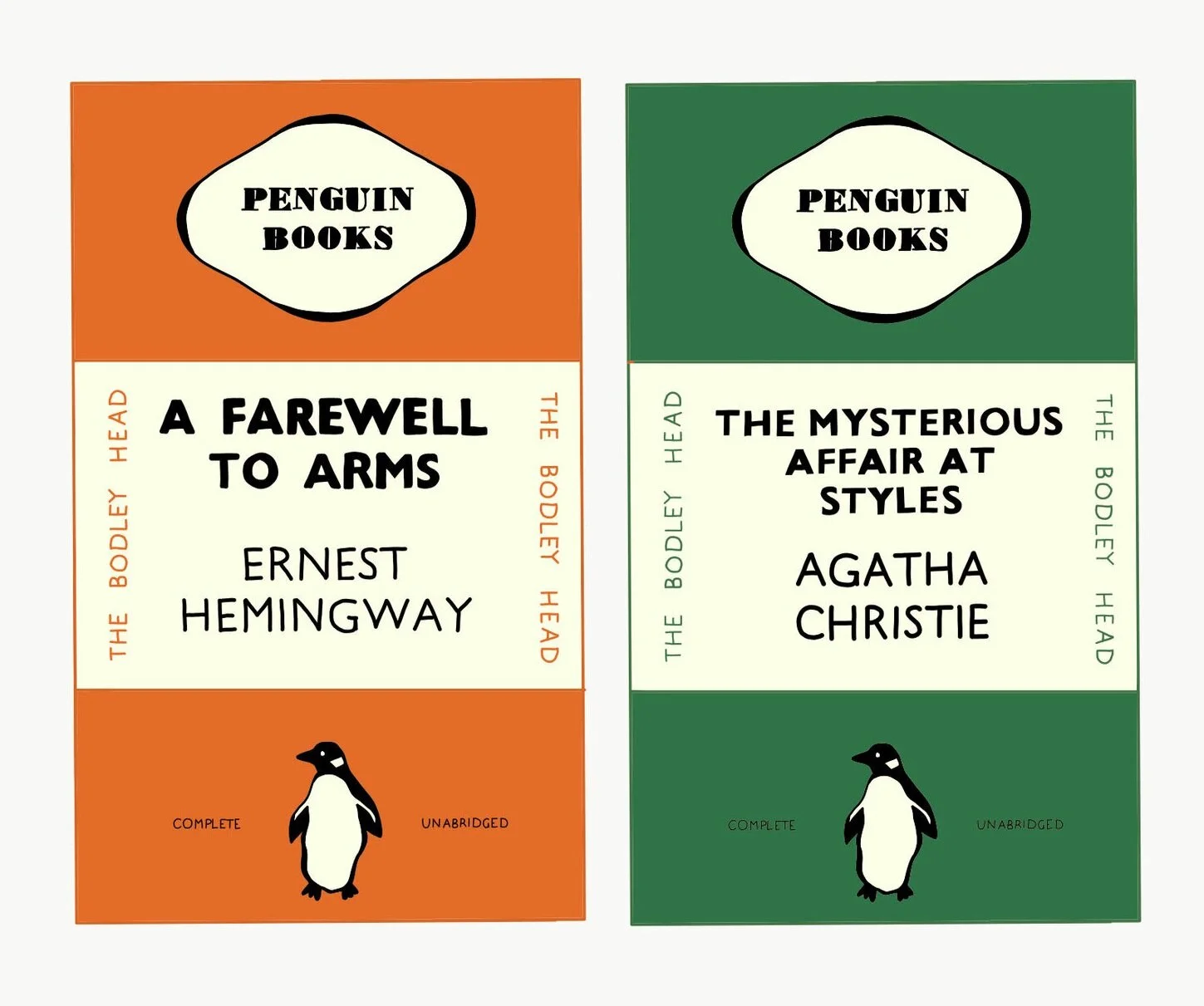
Paperback books first published
1935 - The first paperback books were published by Penguin. They cost sixpence and were colour coded: orange for fiction, blue for biography and green for crime.
On 31st July…
1737 - Prince Frederick of Wales, fled Hampton Court Palace with his wife who was in labour with their first child. There was no fire or emergency at the palace, the Prince just didn’t get on with his dad, King George II, and did not want him to be present at the birth of his baby. It was the tradition for the monarch to watch the birth of any children or grandchildren, there was usually also more than several other witnesses to the birth to make certain that the baby was really born of the mother and to ensure there was no swapping of infants should the baby be stillborn. Neither King George II nor his wife, Queen Caroline, got on with their eldest son, Frederick.
1914 - The German leader, Kaiser Wilhelm II, threatened war in response to Russia’s support to its ally Serbia and ordered Russia to demobilise its military.
On 1st August…
10BCE - The Roman emperor Claudius was born. Claudius is the emperor who succeeded in conquering Britain, although it wasn’t an easy task; it did take him over 30 years of fighting the local tribes before he succeeded.
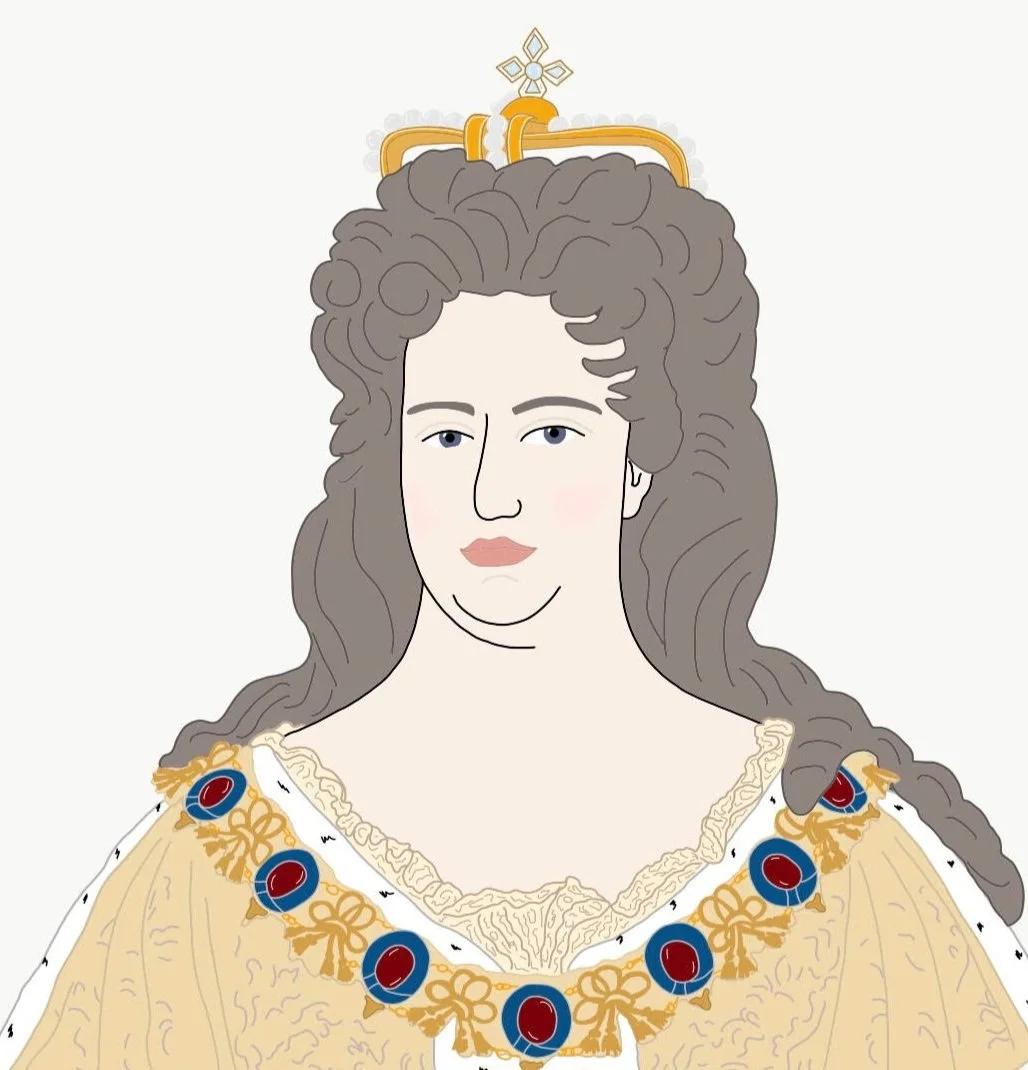
The end of the Stuart Dynasty on the English throne
1714 - Queen Anne of England died and her second cousin, George of Hanover, became King George I. Her reign signalled the end of the Stuart Dynasty and the beginning of the House of Hanover. and the period in British history called Georgian. She was so large when she died that her coffin was reported to be nearly square in shape.
1800 - The Act of Union 1800 received royal approval. The Act united Great Britain with the Kingdom of Ireland forming the United Kingdom of Great Britain and Ireland. It was voted for by Parliaments in both Britain and Ireland in March 1800 and came into effect on January 1st, 1801.
1820 - The Regent’s Canal in London opened. In its first year 120,000 tonnes of cargo were carried along the canal.
1834 - The Slavery Abolition Act (1833) came into effect abolishing slavery throughout the British Empire. The slave trade had been abolished in 1807 but it took another twenty-six years before slavery was made illegal.

The first Boy Scouts camp took place
1907 - The Boy Scouts began with a camp for twenty boys on Brownsea Island in Dorset, England. Robert Baden-Powell hoped that in bringing together boys of differing backgrounds, he would be able to bridge the gaps in society and give everyone the chance to learn new skills.
1914 - Germany declared war on Russia. Germany mobilised its troops ready for attack at the beginning of what would become known as The Great War or World War I. France was left with no option but to mobilise its military, ready for action under the terms of its agreement with Russia. So from hostility between two countries: Austria-Hungary and Serbia, three further countries were dragged into a war because of treaty agreements.
On 2nd August…
338BCE - In Ancient Greece at the Battle of Chaeronea, the Macedonian army led by Philip II defeated the joint forces of the city states of Athens and Thebes to unite the central and southern states of Ancient Greece under Macedonian rule.
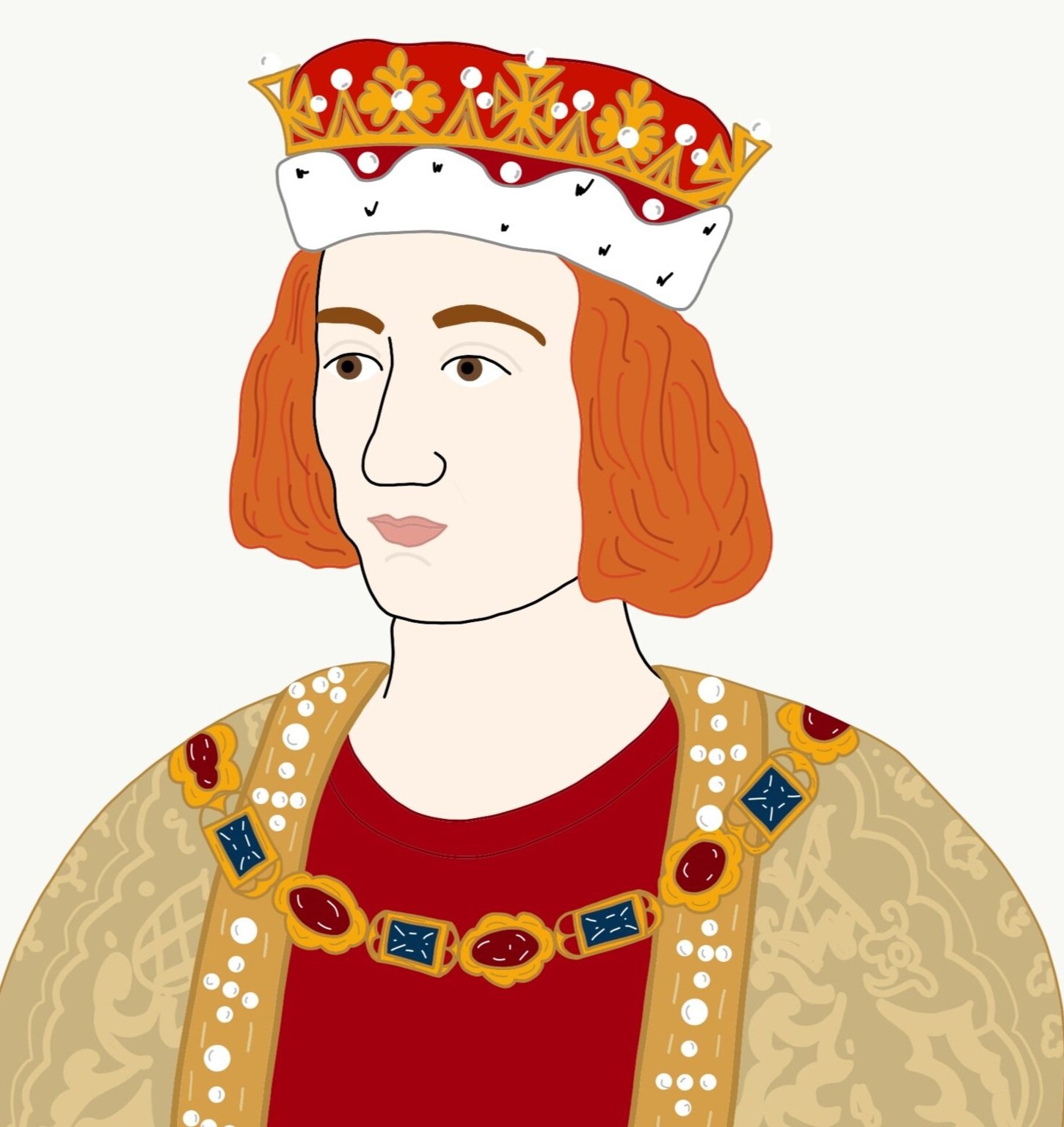
King William II died in hunting accident
1100 - King William II (William Rufus, the son of William the Conqueror) was accidentally killed by an arrow whilst hunting in the New Forest in the south of England.
William was not a particularly popular king and ruled with an iron fist, this meant he was very strict and ruthless. When the arrow hit him in the chest it is said that he didn’t yell out in pain but instead just broke off the shaft of the arrow (the stick part). This action made him bleed quicker, leading to his death.
His younger brother Henry left him in the forest and raced to seize the throne. Do you think it was an accident or could it have been done on purpose so that Henry could become king?
1914 - Great Britain mobilised its troops in readiness for battle at the beginning of World War I. Parliament agreed to support Belgium’s neutrality. Belgium did not want to be part of the argument and had refused to permit German troops to enter and pass-through Belgian territory in order to reach France.
On 3rd August…
1460 - King James II of Scotland died after being fatally injured by an exploding canon at Kelso in the Scottish borders. He had been trying to regain control of Roxburgh Castle which had been under English control since the Wars of Independence. James had been king of Scotland since he was six years old when his father, James I, was brutally murdered. James II’s 9-year-old son became King James III upon his death.
1492 - Christopher Columbus set sail on his first voyage with three ships in the expedition: the Nina, the Pinta and the Santa Maria. He set sail heading west hoping to find another route to China and India but instead, a few months later he found America and the Caribbean islands. Believing the islands to be part of India, they were named the West Indies.
1887 - Rupert Brooke the famous World War poet was born in Rugby, England. His most famous poem was ‘The Soldier’ which began, ‘If I should die, think only this of me: That there’s some corner of a foreign field that is forever England.’
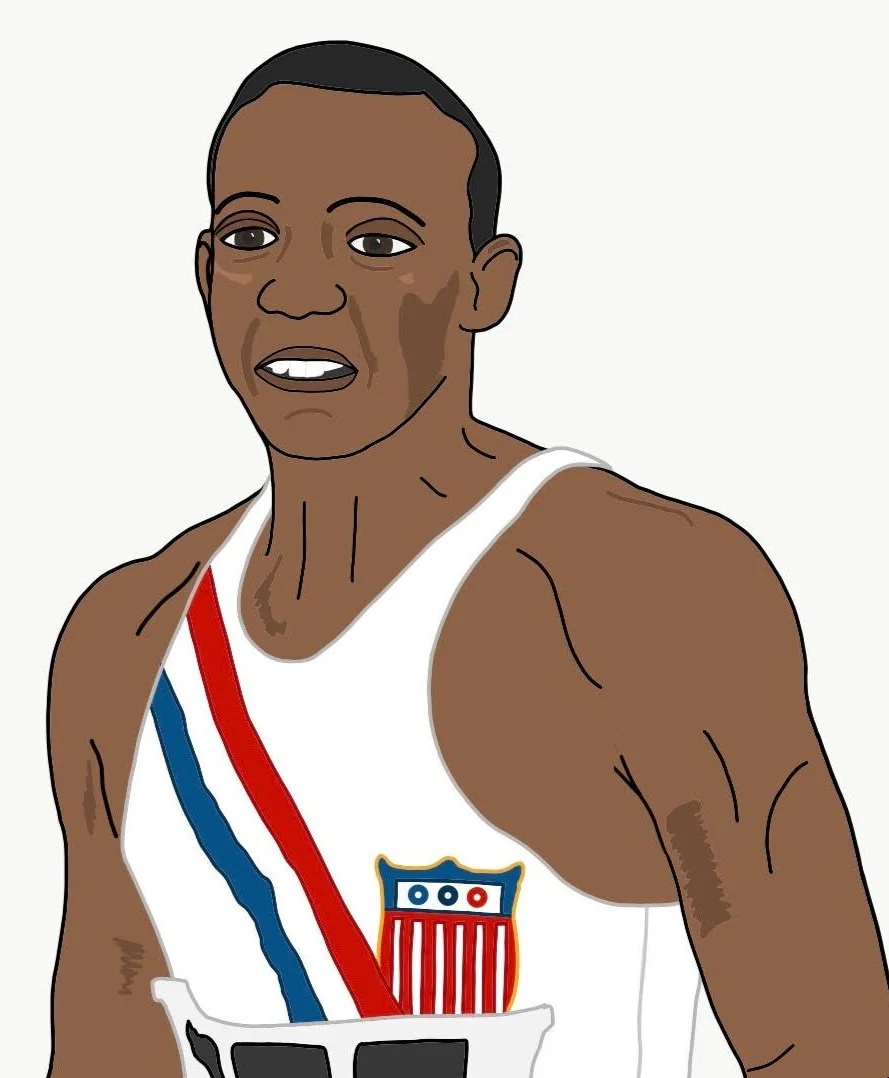
Jesse Owens began his winning streak at the 1936 Olympic Games
1936 - At the Olympic Games in Berlin, the American sprinter Jesse Owens won the first of his four gold medals in the 100m race in front of Adolf Hitler who was the Fuhrer (ruler) of Germany. During the Olympics Jesse also managed to break or equal nine Olympic records and set three world records. These wins dealt a huge blow to Hitler’s Nazi party ideology that the Aryan race were superior in all things.