August 4th - 10th
On 4th August…
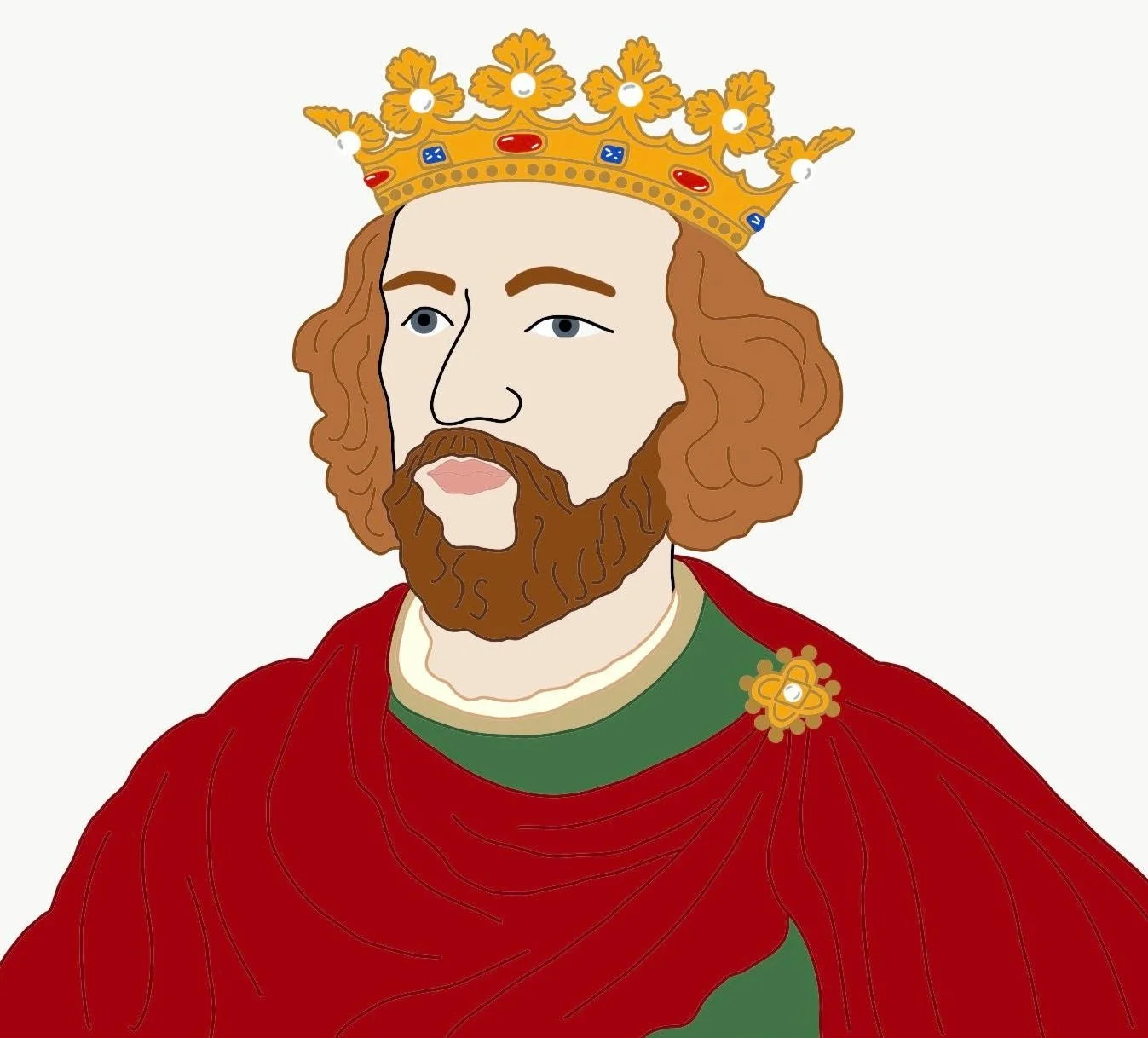
King Henry III freed by his son at Battle of Evesham
1265 - The Battle of Evesham saw the English Prince Edward defeat Simon de Montfort the younger (6th Earl of Leicester), free his father King Henry III, and restore royal authority.
It all started fifty years before with the Magna Carta and the promises made by King John, and for all kings after him, to stick to some rules. King Henry III had continually broken those rules and pushed the boundaries so that they were in his favour, whilst Simon de Montfort continually tried to restrict the king’s power.
Henry III and Simon de Montfort both vied for power and the ultimate rule over England. De Montfort had fought the king, managed to imprison him and his son, Prince Edward, and has holding them both prisoner whilst he ruled England in the captured king’s name.
Prince Edward was able to escape, build an army, crush Simon de Montfort at the Battle of Evesham, and free the king. De Montfort was killed and brutally dismembered during the battle as punishment.
1900 - Elizabeth Bowes-Lyon was born. She was married to King George VI and was mother to Queen Elizabeth II. In the year 2000 she celebrated her 100th birthday, she died in 2002.
1914 - Germany demanded free passage across Belgium in its attempt to reach France in the wake of World War I. This was to allow its Army to cross through neutral Belgium to reach the French border. Despite not being given permission, Germany decided to cross Belgium anyway. When it refused to remove its troops from Belgium, Britain was left with no option but to declare war on Germany. At 11pm Britain entered World War I.

Anne Frank arrested for being Jewish
1944 - Anne Frank and her family were found hiding in an attic and arrested in Amsterdam by German Security Police following an anonymous tip off. They were arrested for being Jewish. They had been in hiding with other families for over two years. They were taken to concentration camps across the German occupied territories. Anne and her family were taken to Auschwitz, and then she and her sister were moved to the Bergen-Belsen concentration camp. Anne died shortly before the end of World War II.
On 5th August…
642 - The Battle of Maserfield took place between the Anglo-Saxon kings: Oswald of Northumbria and Penda of Mercia. King Penda defeated King Oswald and dismembered his body. The body parts are thought to have been offered up to pagan gods to appease them. This was just one of many battles between the warring kingdoms of Anglo-Saxon Britain.
910 - The joint Anglo-Saxon forces of the kingdoms of Wessex and Mercia defeated the last major Viking army to invade England at the Battle of Tettenhall. Lady Aethelflaed of Mercia and her brother King Edward of Wessex sandwiched the Danish forces; two Viking kings were killed, and many thousands of men died. Aethelflaed’s and Edward’s combined strength led to eventually uniting England under one king.
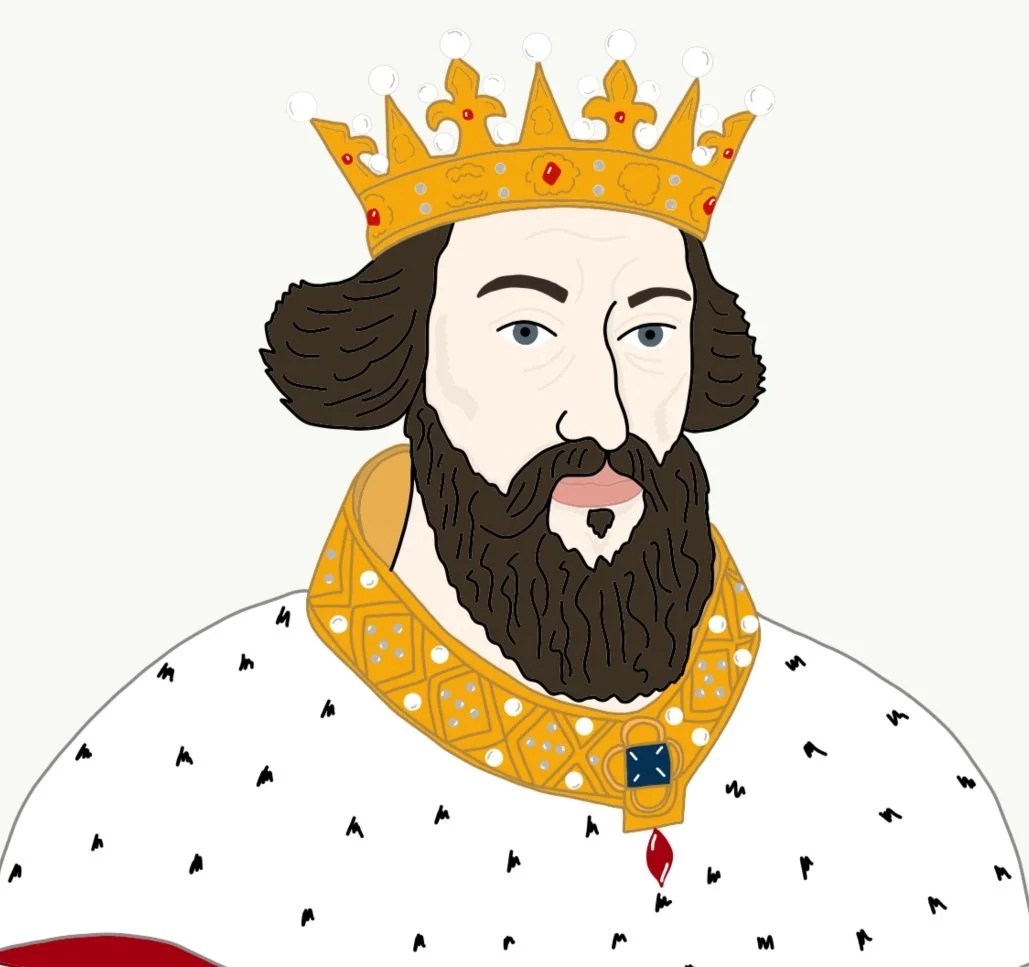
Henry I crowned king
1100 - Just three days after his older brother William II was killed in a hunting accident, King Henry I was crowned King of England in Westminster Abbey. Henry was the youngest son of William the Conqueror and is suspected of having a hand in his older brother’s death.
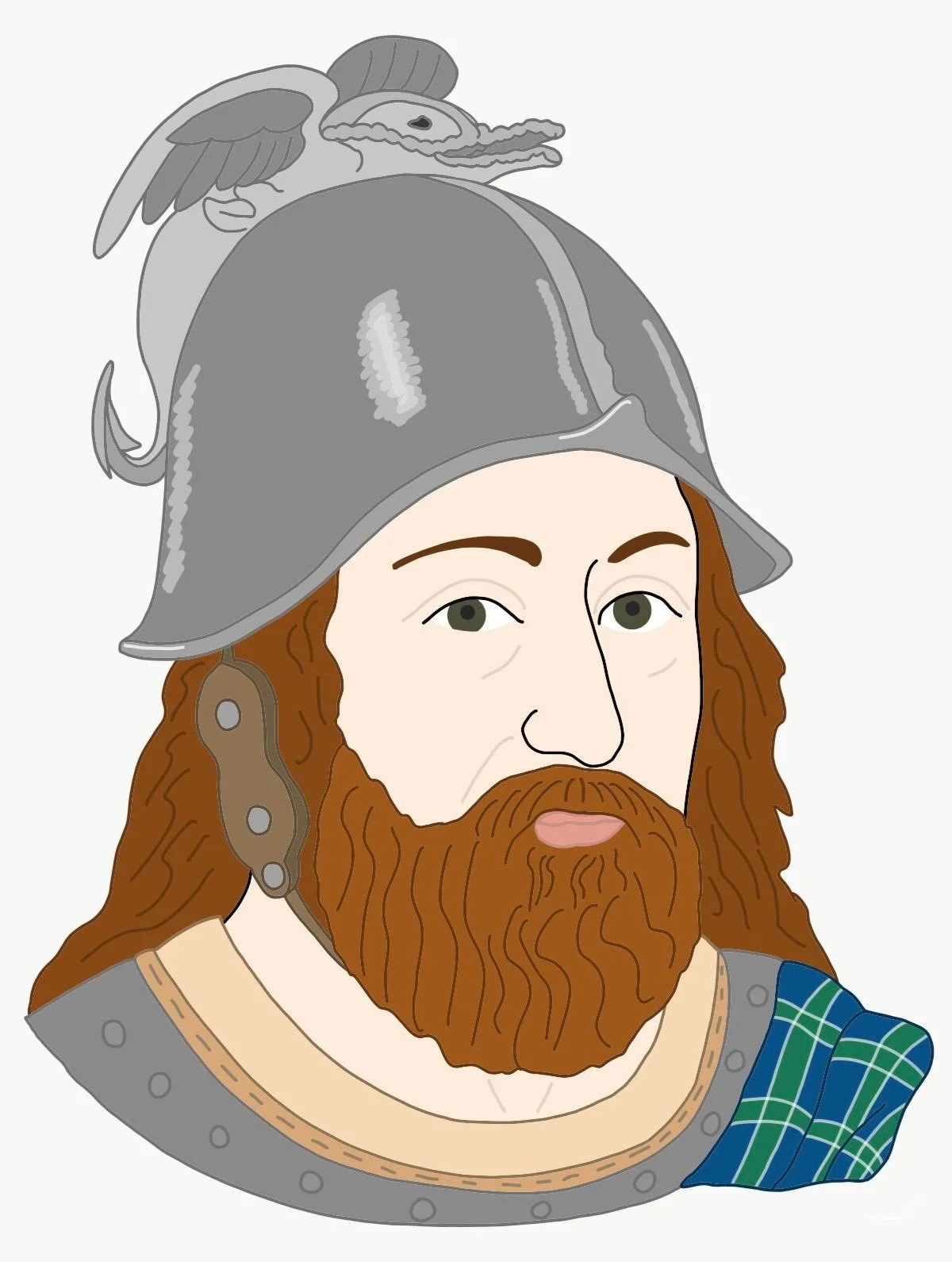
William Wallace captured
1305 - William Wallace, leader of the Scottish resistance to English rule, was betrayed for a generous ransom and captured near Glasgow. He was taken to London for trial and execution.
1962 - Marilyn Monroe, the Hollywood film star and icon, died from a drug overdose. She was 36 years old.
On 6th August…
1497 - John Cabot returned to Bristol from Newfoundland, North America. He was the first European to do so since the Vikings. He reported that the land he had found was excellent with a temperate climate and a sea full of fish.

Atom bomb dropped on Hiroshima
1945 - In an attempt to bring Japan to its knees and surrender in World War II, an atomic bomb was dropped on the Japanese city of Hiroshima. It was the first time an atomic bomb was used in an attack. The city was reduced to rubble, tens of thousands of people died immediately and tens of thousands more died over the following days and weeks from radiation and other illnesses.
On 7th August…
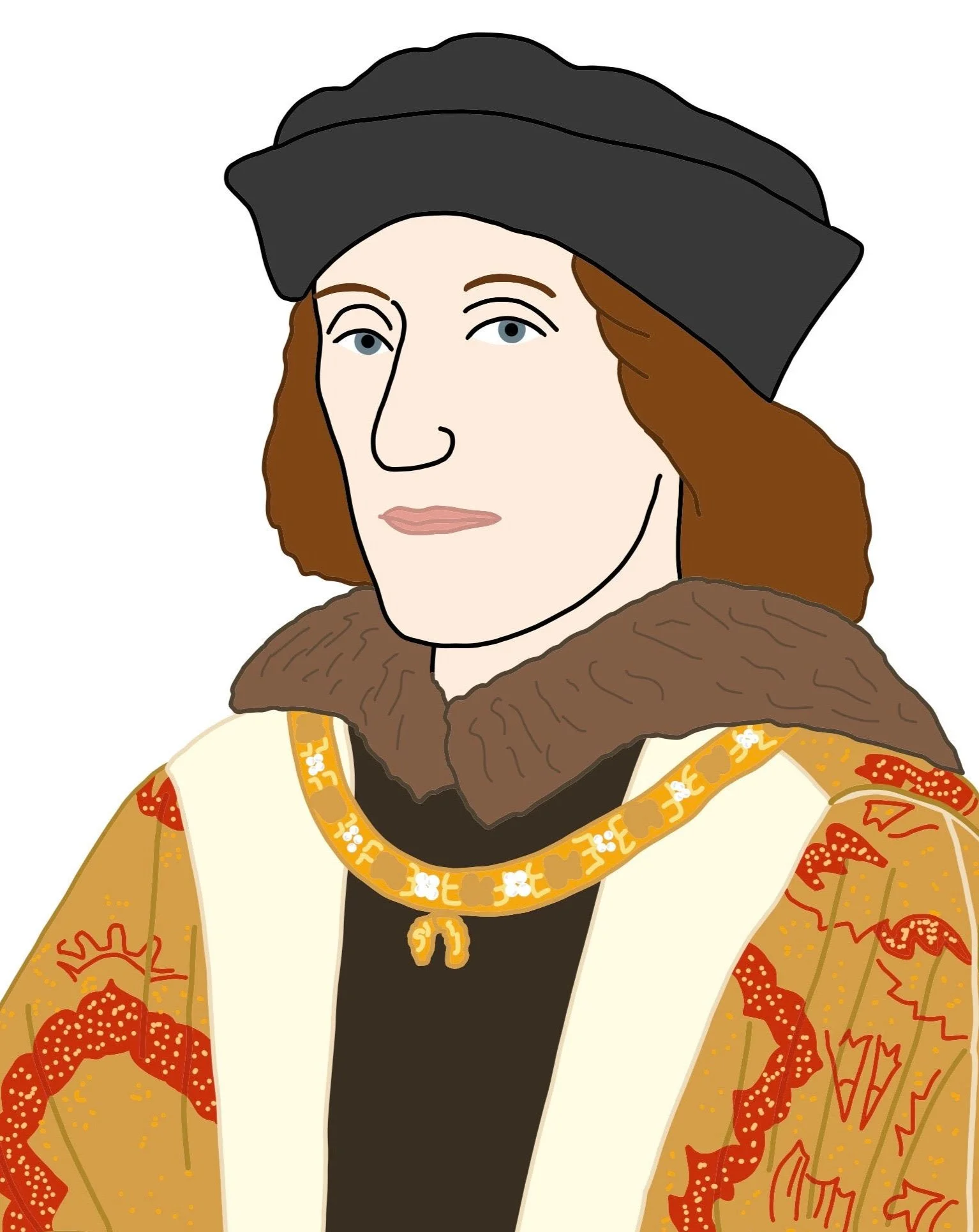
Henry Tudor landed in Wales
1485 - Henry Tudor’s army landed at Mill Bay near Milford Haven, South Wales. Having been exiled for fourteen years in Brittany, France with his uncle Jasper Tudor, Henry decided it was time to return to England and stake a claim at the crown. He would go on to become King Henry VII.
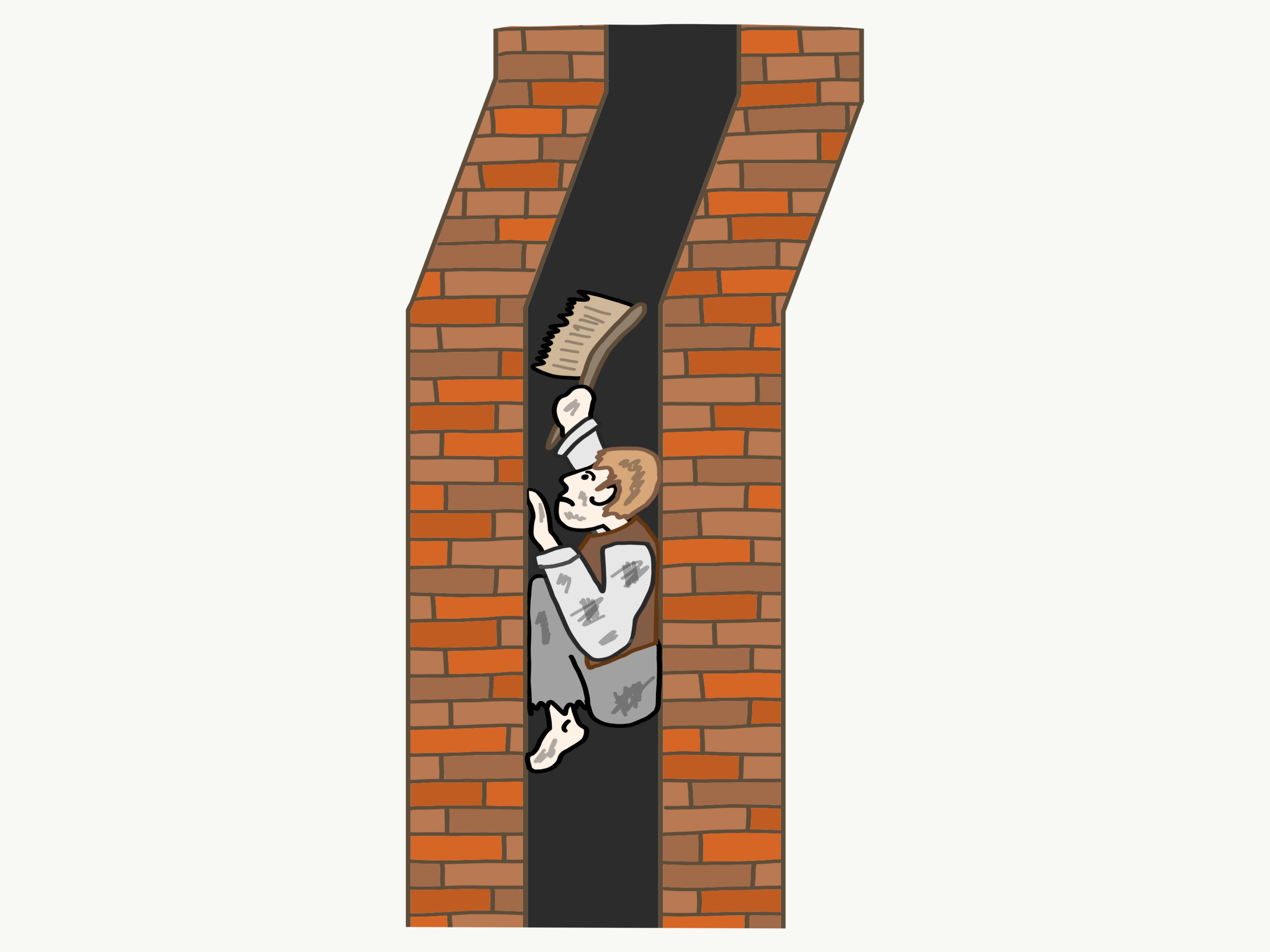
Chimney Sweepers Regulation Act 1840
1840 - The employment of young boys as chimney sweeps was prohibited by an Act of Parliament. The new law stated that anyone under the age of 21 years should not ascend or descend a chimney or flue (climb up or down inside a chimney) for the purpose of cleaning, sweeping or coring, or for the purposes of extinguishing a fire within the chimney. Coring was a way in which to check the width of the chimney and to check for any obstructions. It also stated that nobody under the age of 16 years was to be employed as an apprentice chimney sweep.
This law was very difficult to keep a check on and children continued to be employed in the trade. It wasn’t until 1875 when chimney sweeps had to be licenced by the police that the use of children to sweep chimneys finally stopped.
On 8th August…
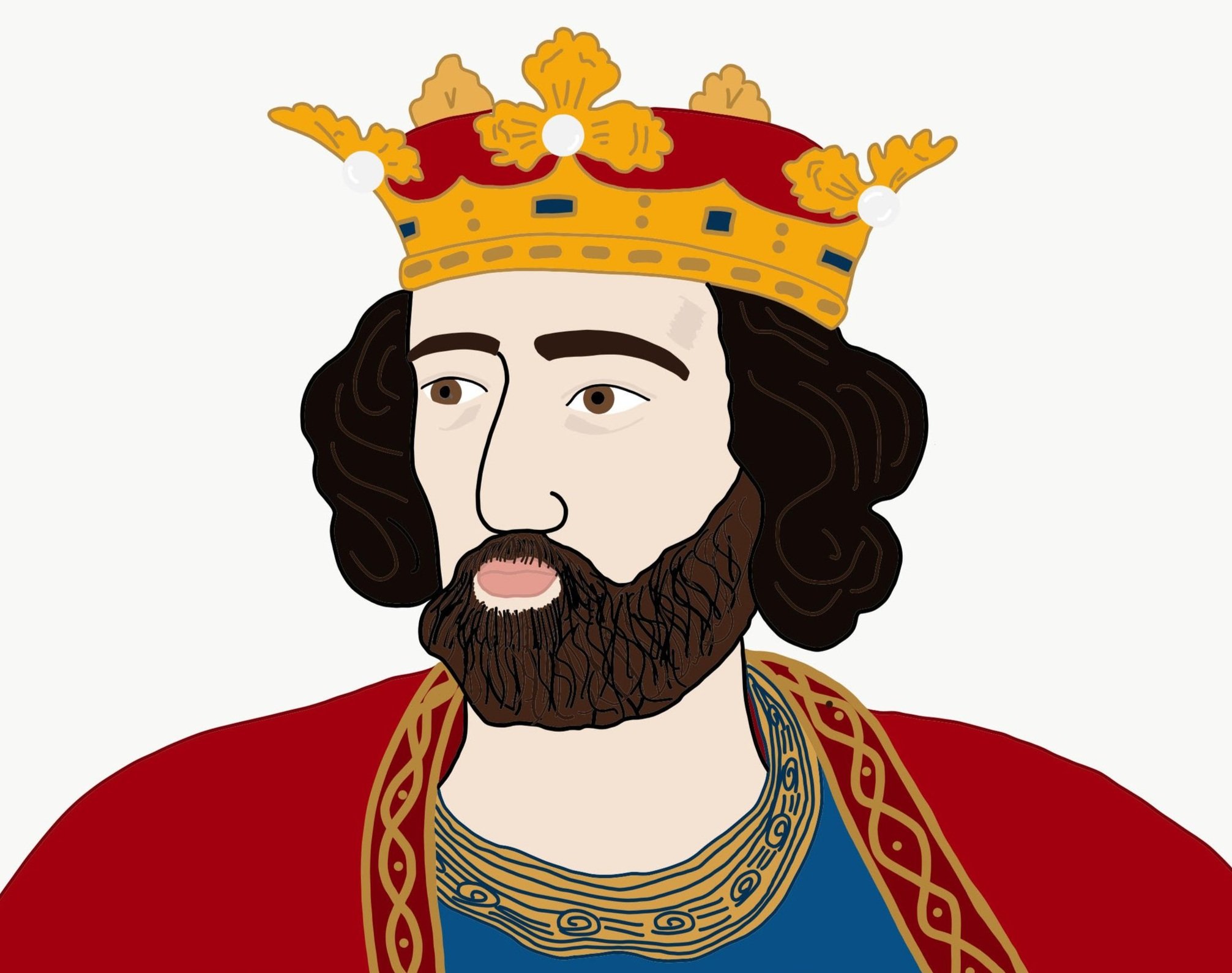
King Edward I stole the Stone of Scone
1296 - Following his victory at the Battle of Dunbar, the Stone of Scone or the Stone of Destiny was seized by King Edward I from an abbey near Scone and taken to Westminster. The Stone of Scone was the sacred stone upon which Kings of Scotland were crowned. By taking it Edward I was attempting to stop future Scottish kings from being crowned and asserting his own authority over Scotland.
1503 - King James IV of Scotland married Margaret Tudor, the 13-year-old daughter of King Henry VII at Holyrood Abbey in Edinburgh. Their great-grandson James would become the first monarch to reign over both Scotland and England, King James VI and I.
1988 - Princess Beatrice was born in London to Prince Andrew and Sarah Ferguson. Princess Beatrice is currently ninth in line to the throne.
On 9th August…
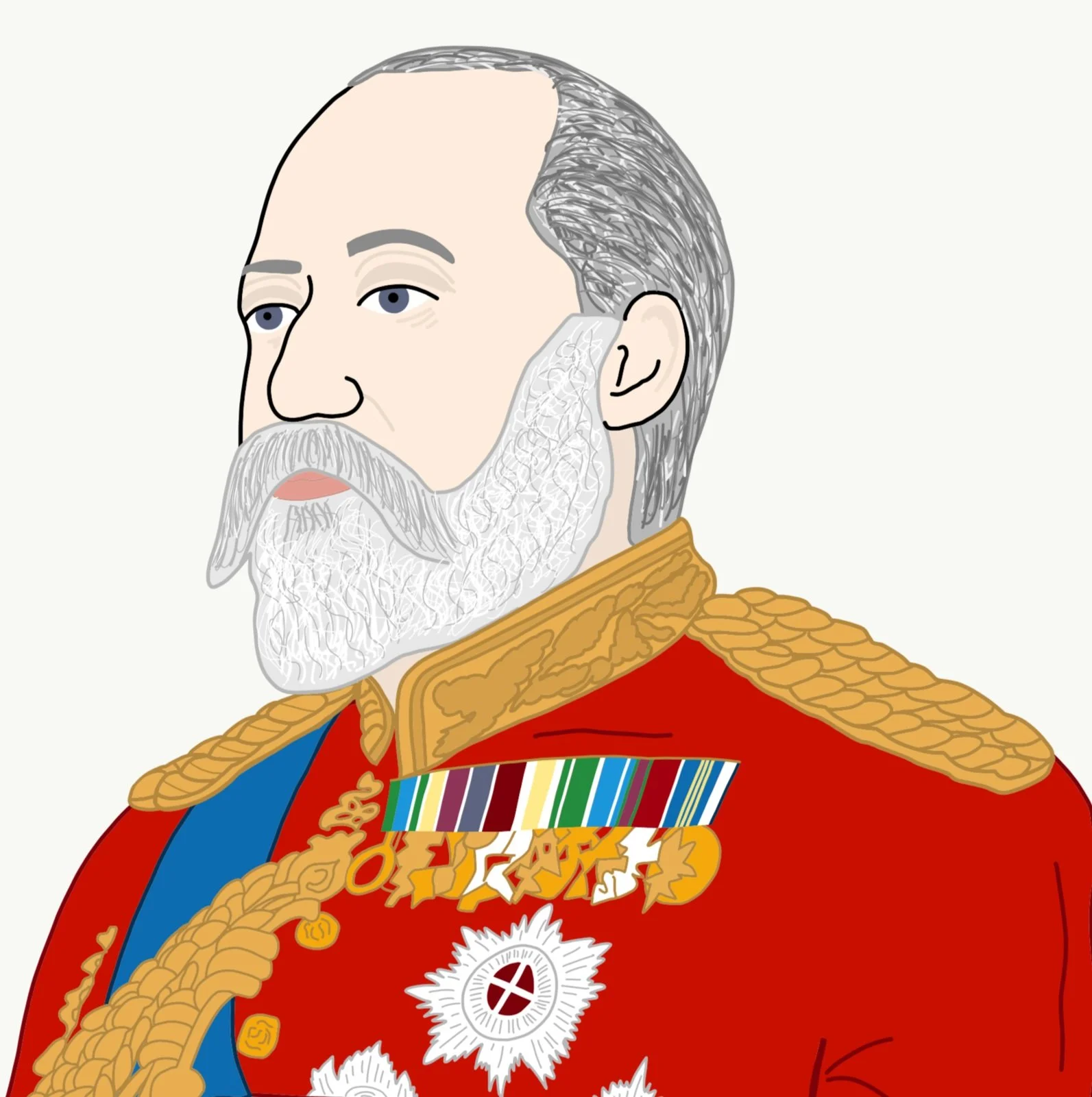
Edward VII crowned King
1902 - Prince Albert Edward, the eldest son of Queen Victoria was finally crowned King Edward VII, King of Great Britain. The original coronation was meant to take place on 26th June, but shortly beforehand the king had become ill with appendicitis and peritonitis and needed an urgent operation. If he hadn’t postponed the coronation in order to have the operation it was highly likely that he would have died.
2nd Atomic Bomb dropped on Japan
1945 - The Japanese city of Nagasaki was hit by an atomic bomb. It was the second atomic bomb to fall on Japan causing severe devastation, death and disease. The death toll of both Nagasaki and Hiroshima, the site of the first bombing three days earlier, exceeded 135,000.
On 10th August…
991 - The Battle of Maldon took place between the Anglo-Saxons and invading Vikings from Norway. The Anglo-Saxon army was led by Earl Brihtnoth, a local leader. His aim was to engage the Vikings in battle, defeat them and stop them from attacking other villages along the coastline. Brihtnoth decided to allow the Vikings safe passage across a river so that they could fight fairly. Unfortunately, he underestimated the Vikings’ power and was killed in the battle. When the Anglo-Saxon army realised their leader had fallen, they all fled into nearby woods leaving the Vikings victorious. The battle has been immortalised in a poem called ‘The Battle of Maldon’.
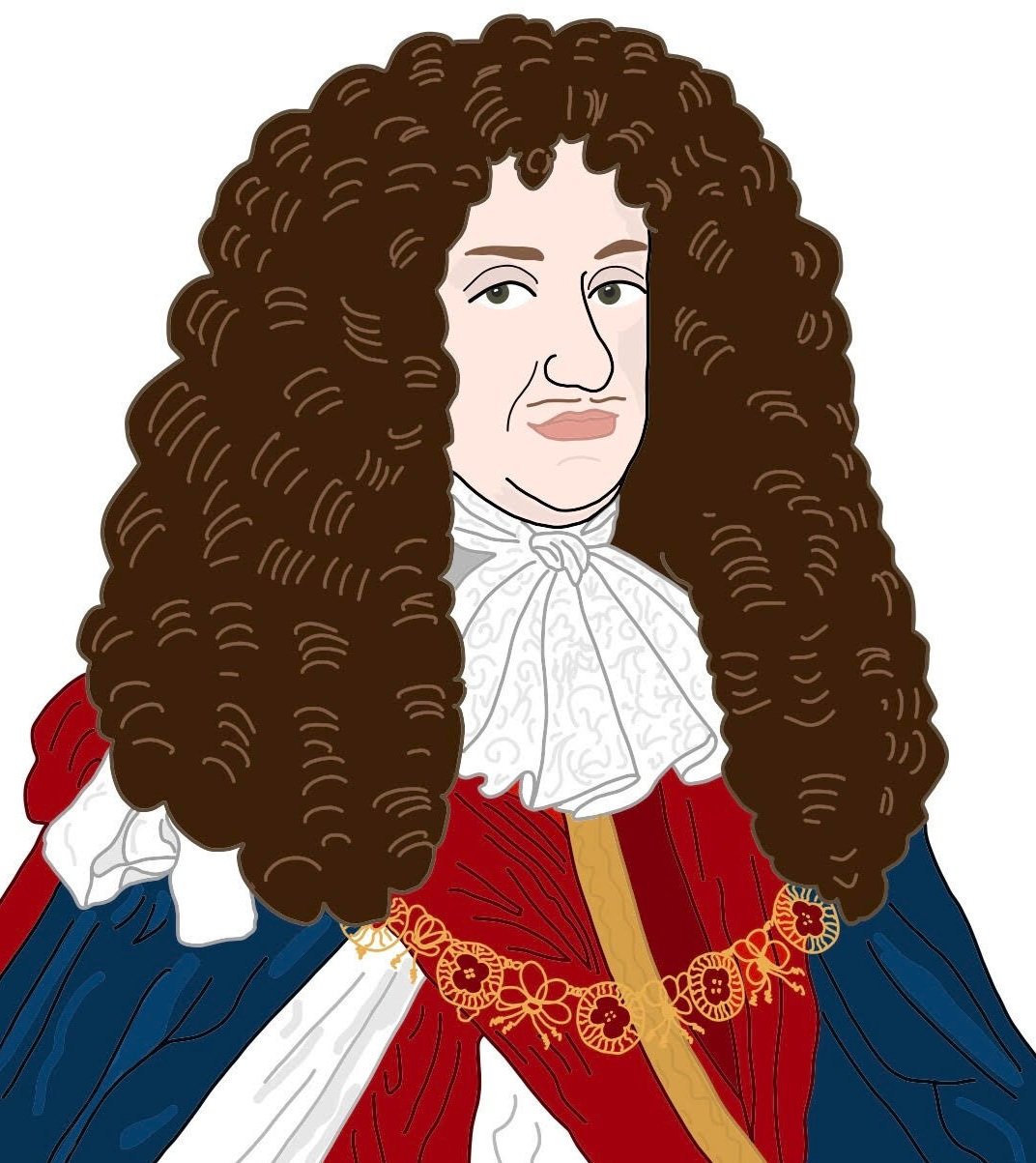
Foundation stone laid at the Royal Observatory in Greenwich
1675 - King Charles II and his royal astronomer, John Flamsteed, laid the foundation stone of the Royal Observatory in Greenwich, London. Within a year John Flamsteed had moved into the Observatory with two servants and had begun making astronomical observations on behalf of the King.
1945 - Following the atomic bombing of Nagasaki and Hiroshima in World War II, Japan announced it was willing to surrender on the condition that the status of its ruler, Emperor Hirohito remained unchanged. This brought a stop to further bombing of Japan, but the surrender had not yet been accepted and the war was not yet over.