August 11th - 17th
On 11th August…
480BCE - King Leonidas of Sparta died in the Battle of Thermopylae against an invading Persian army. With just 300 Spartan men the Spartans fought to the last man standing against an army of thousands in order to protect their country. (Some accounts state that there were about 1,000 Greek soldiers from various states and not just the 300 Spartan soldiers, but against an invading army of about 80,000 the odds were still stacked against them.)
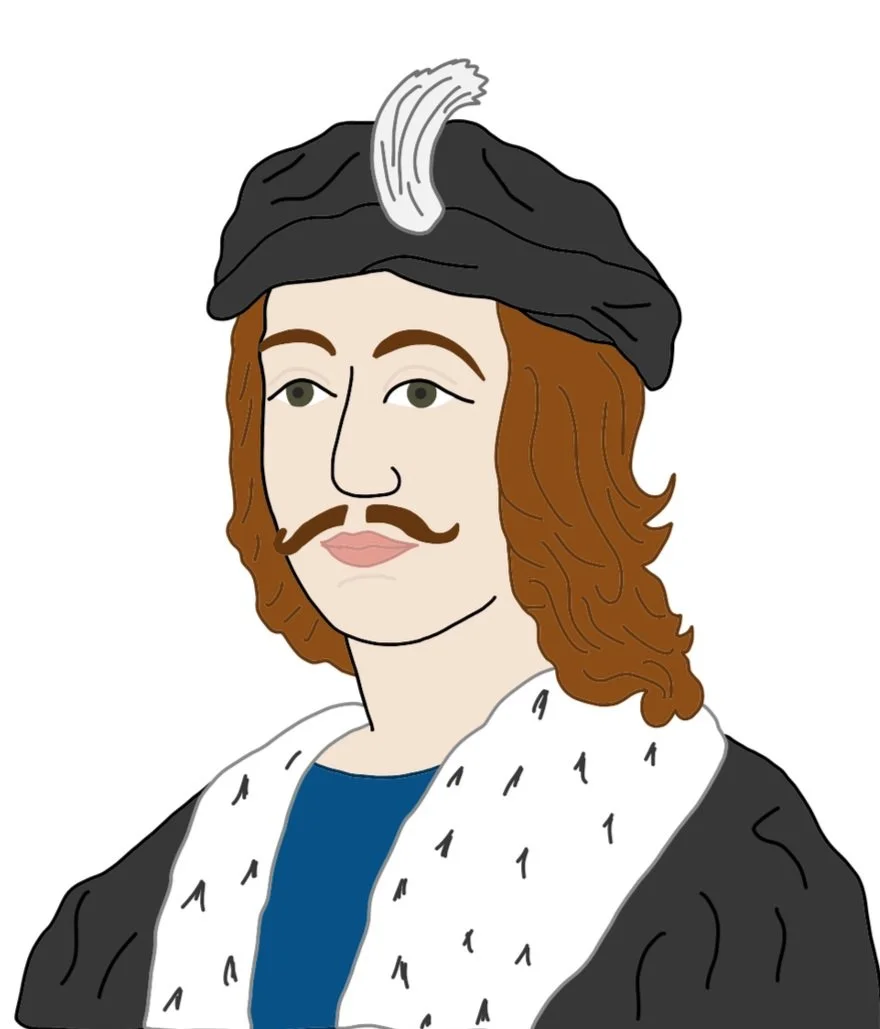
Edward Baliol victorious at Dupplin Moor
1332 - In Scotland, the Battle of Dupplin Moor took place between Edward Balliol, a contender for the Scottish throne, and the Earl of Mar, who was defending the crown for the young King David II, the son of Robert the Bruce. Despite being outnumbered eight men to one, Edward Balliol won the battle with the help of English forces and was crowned King of Scotland a few days later. His reign did not last long and he was deposed within the year. However, with the help of the English king Edward Balliol managed to reclaim the Scottish throne but it was not without cost; Edward Balliol had to resign his lands and power by acknowledging King Edward III of England as his over lord.
1897 - English children’s author Enid Blyton was born in London. Some of her most famous stories include tales of the Famous Five who were a group of friends that solved mysteries. Her books have been translated into over 90 languages around the world.
On 12th August…
30BCE - Cleopatra VII, the last pharaoh of Egypt committed suicide by inviting an asp, a poisonous snake, to bite her. Cleopatra is possibly best known for her relationship with Marc Anthony, the Roman General. After her death, Egypt fell under the rule of the Roman Empire.
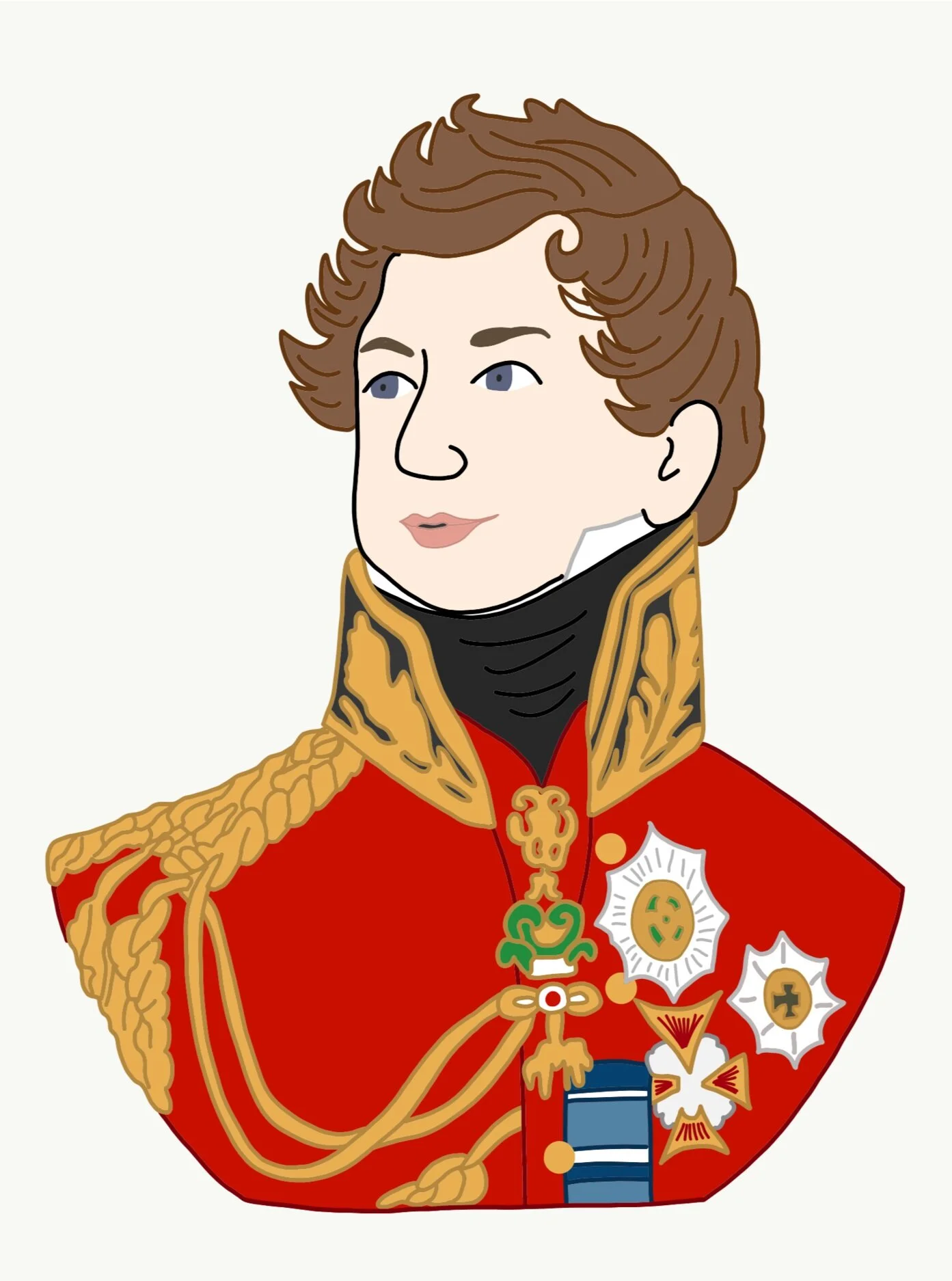
King George IV was born in London
1762 - King George IV was born in St James’ Palace, London.
Did you know that King George IV was married illegally to a lady called Maria Fitzherbert whilst he was Prince of Wales? He was forced to divorce her because she was a Catholic and persuaded to marry his cousin, Caroline of Brunswick. He only agreed to marry Caroline because the Government had agreed to pay off his debts of around £650,000 (about £78 million in today’s money).
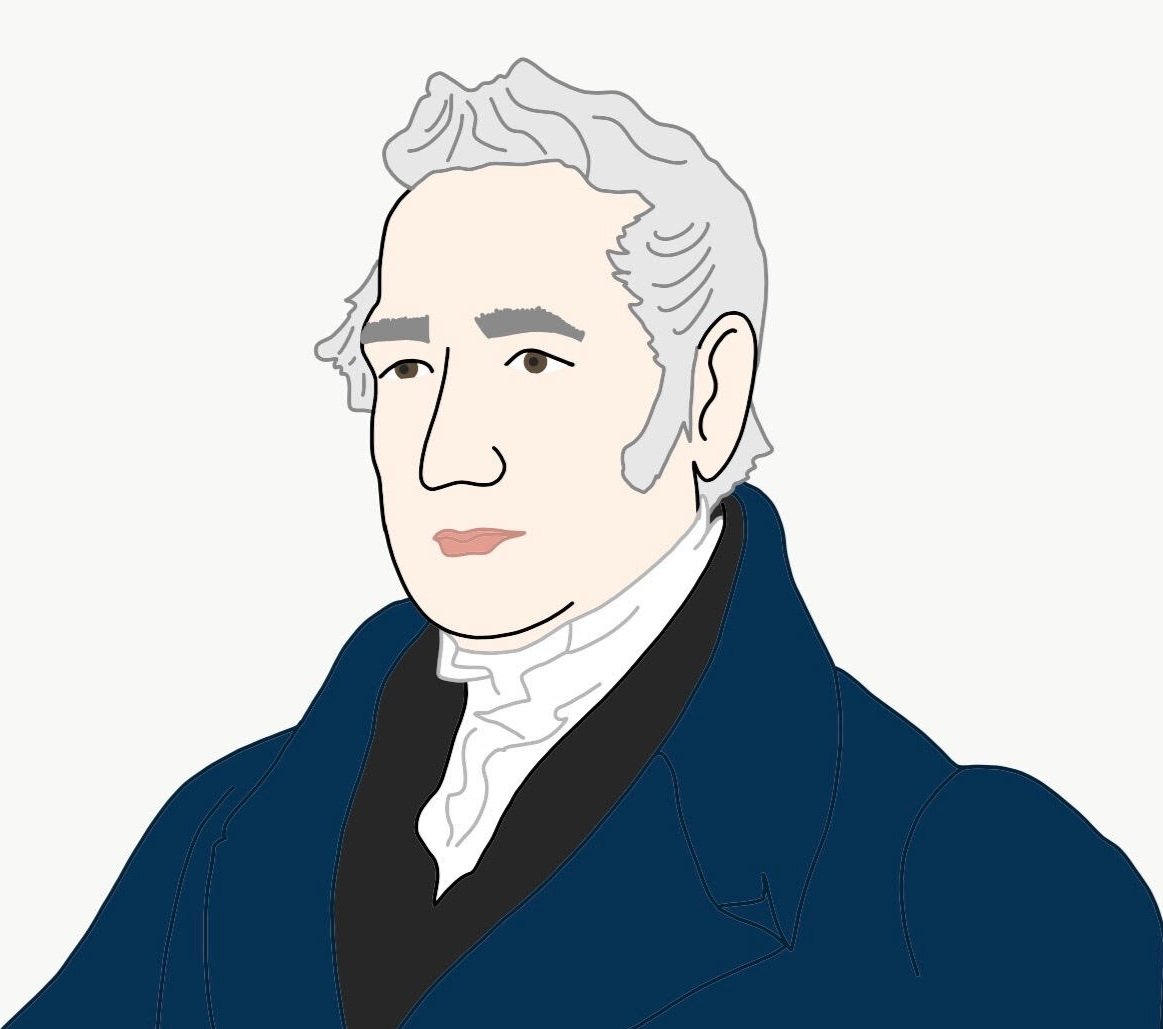
Father of the railways died
1848 - George Stephenson the English engineer and renowned ‘Father of railways’ died. His most famous steam locomotive, the ‘Rocket’, built with his son Robert, was able to pull carriages along at a speed of 36 miles per hour.
1914 - At the beginning of World War I, France and Great Britain declared war on Austria-Hungary at the same time that Austria-Hungary invaded Serbia.
1930 - Clarence Birdseye patented a method for quick freezing food. Before his invention frozen food became mushy and inedible when it thawed. Birdseye’s process allowed food to freeze and thaw and keep its fresh taste. By the time of his death Clarence Birdseye held nearly 300 patents.
On 13th August…
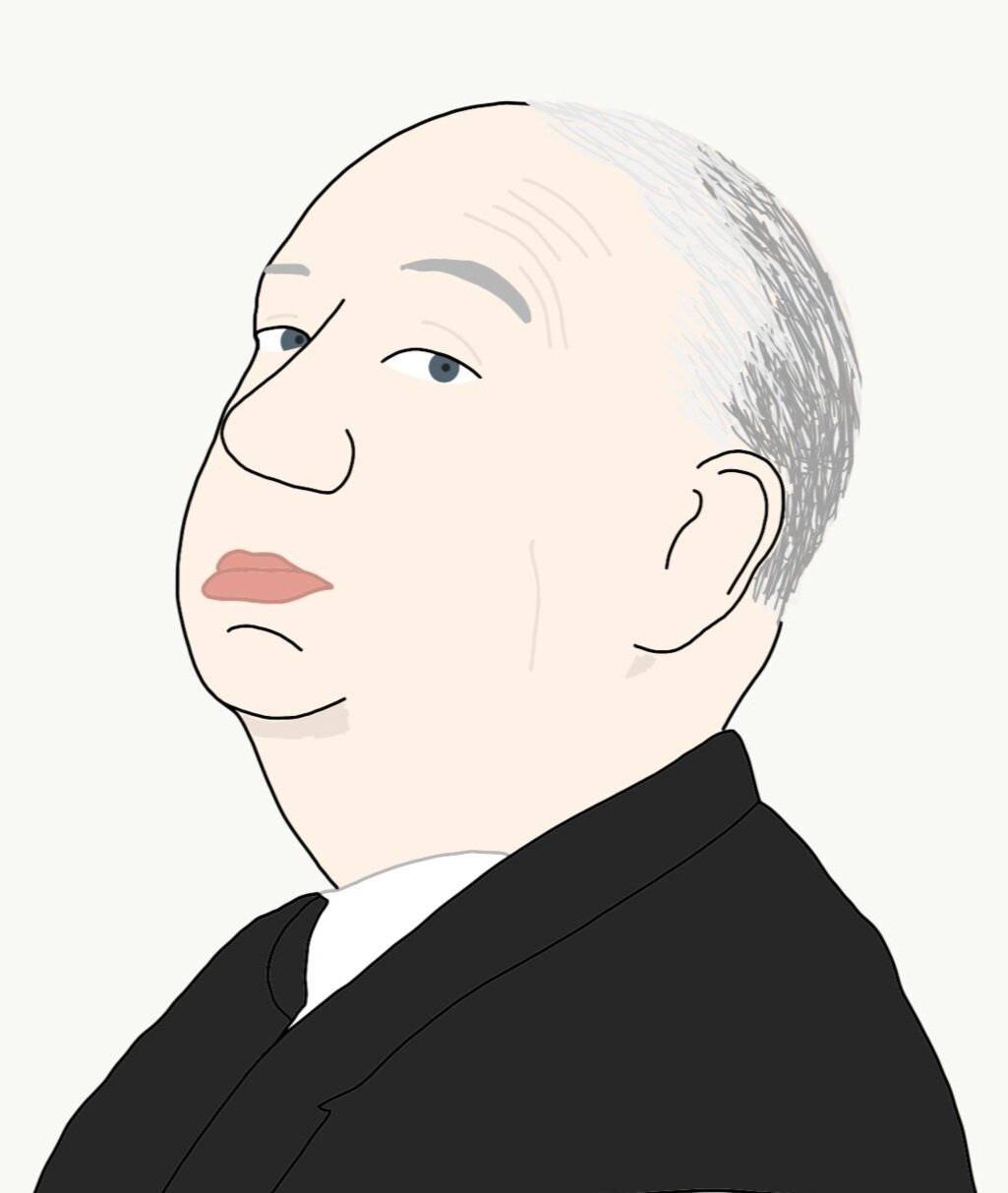
Alfred Hitchcock was born in Essex
1899 - Alfred Hitchcock the famous film director of films including Psycho and Rear Window, was born in Leytonstone, Essex.
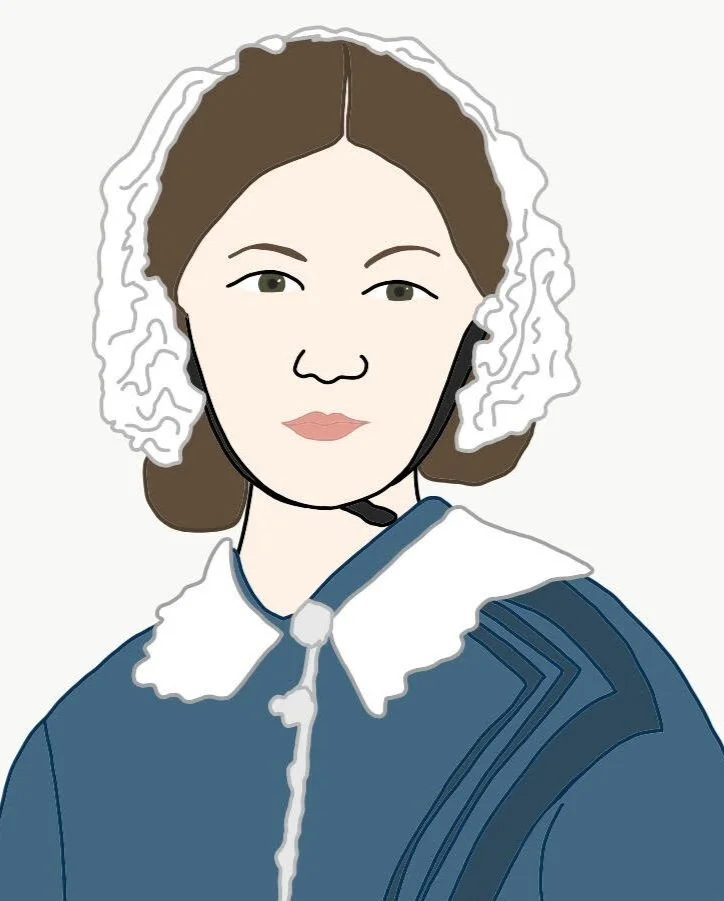
Death of the Lady with the Lamp
1910 - Florence Nightingale, the British nurse who improved cleanliness of hospitals and nursing standards during the Crimean war died. She was known as ‘The Lady with the Lamp’ because she continued to care for soldiers throughout the night by lamplight. Florence Nightingale is considered the founder of modern nursing, and despite being a nurse for only a few years of her career, she campaigned tirelessly for better healthcare, wrote several books about nursing, and established a nursing school at St Thomas’s Hospital in London.
On 14th August…
1040 - King Duncan of Scotland was killed by his cousin and rival, Macbeth, in battle near Elgin, Morayshire near the northern coast of Scotland. Mac Bethad mac Findlaich (Macbeth) became King only to be killed in battle 17 years later by Duncan’s son, Malcolm. (The real story is quite different to the one portrayed in William Shakespeare’s play.)

John Logie Baird was born in Helensburgh, Scotland
1888 - The Scottish inventor of television, John Logie Baird was born. He first demonstrated television in 1926 in an attic room in central London.
1947 - Following the signing of the Indian Independence Act in July by King George VII, Pakistan, which was once a part of India, became an independent country. The day is celebrated every year in Pakistan and by Pakistani communities around the world.
On 15th August…
1057 - King Macbeth of Scotland was killed in battle by Malcolm, a son of King Duncan who Macbeth had killed 17 years earlier.
1620 - The pilgrim ships the Mayflower and the Speedwell set sail from Southampton carrying 102 pilgrims on their journey to America where they planned to establish the first permanent colony. The pilgrims were seeking religious freedom and a fresh start in a country where they would be able to worship God without the persecution of the Church of England. (Religion was a strict business in the times of the Tudor and Stuart monarchies, and you could be executed for not following the same religion as the king or queen.) The two ships had not sailed far before they had to turn back to port to repair the Speedwell which had begun to leak and take on water. On their second attempt to sail across the Atlantic Ocean disaster struck again. This time they had managed to travel about 300 miles before the Speedwell began taking in water again, the decision was made to return to port for repairs. As the saying goes, ‘third time lucky’ - this time the Speedwell remained in England whilst the already overcrowded Mayflower took on board as many more people as she could carry and set off for America and new beginnings.
1769 - Napoleon Bonaparte was born in Corsica, an island in the Mediterranean Sea belonging to France. He was a French military leader and politician who became Emperor of France and conquered much of Europe during the early 1800s.
1945 - Japan surrendered unconditionally to the Allied Powers (Great Britain, USA, France, China, and the Soviet Union) ending World War II. Their surrender was accepted, and celebrations took place across the Allied nations. We continue to show our gratitude and remember this day, now known as VJ Day (victory in Japan) with a show of celebrations around the world.
1947 - Following the signing of the Indian Independence Act in July by King George VII, India became a free nation, independent of the United Kingdom. The day is celebrated every year in India and by Indian communities around the world.
1950 - Princess Anne, sister of King Charles III, was born in London.
On 16th August…

Henry VIII defended the Pope at Battle of the Spurs
1513 - King Henry VIII and the Holy Roman Emperor Maximilian I defeated France at the Battle of the Spurs in Guinegate near Calais, France. The battle was part of the Italian wars (1494-1559) and Henry VIII had agreed to defend the papacy from its enemies and France. (This was years before he fell out with the pope and set up the Church of England.)
1819 - In Manchester, England the Peterloo Massacre happened when cavalry soldiers charged at demonstrators and began hacking at them with their swords. Thousands of people had been peacefully demonstrating for the right to vote and to have a say in parliament. Fifteen people were killed, including women and children, and over six hundred people were injured by the cavalry soldiers paid for by rich locals.
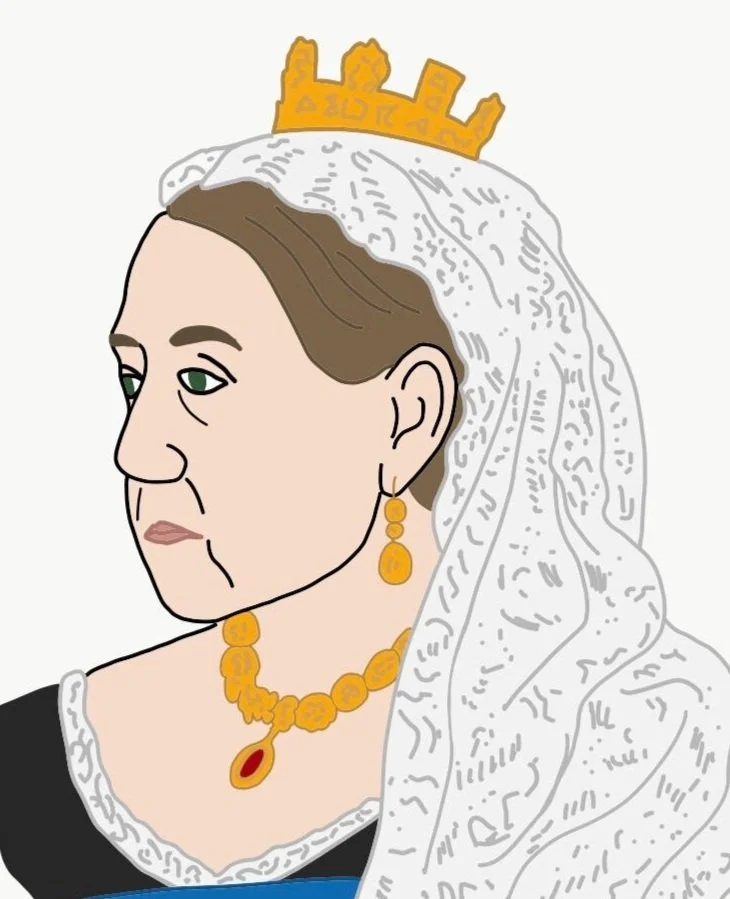
Queen Victoria sent the first telegraph to America
1858 - Queen Victoria sent the first official telegraph across the Atlantic to President James Buchanan of the USA. The message took 16 hours to send by morse code through 2,500 miles of cable which had been laid under the Atlantic Ocean. Unfortunately, the cable did not last long before breaking down.
On 17th August…
1510 - Sir Richard Empson and Edmund Dudley were executed on the orders of the young king Henry VIII. Empson and Dudley were notorious and unpopular officials employed by Henry’s father, Henry VII. They used aggressive and violent tactics against people who owed money to the crown. King Henry VIII wanted to show his subjects that his reign would be very different to that of his father and his first step was to execute two of his father’s unpopular officials. They were accused of treason and trying to overthrow the new king, and were beheaded at the Tower of London.