August 18th -24th
On 18th August…
1227 - Genghis Khan founder of the Mongolian empire died. Genghis Khan was a warrior who rose from nothing to become one the most famous warriors of all time. He brought all the nomadic tribes of Mongolia under his rule using a strict military code of conduct. He then concentrated his sights on the people living in lands beyond Mongolia and began to conquer those too. By the time of his death, most of Central Asia, Persia and India and some parts of Eastern Europe were under his control. The Mongol Empire stretched from the Adriatic Sea in Europe to the Pacific coast of China. Did you know that the Great Wall of China was built by Chinese rulers to keep out the invaders from Mongolia such as Genghis Khan?
On 19th August…
14CE - Augustus Caesar (Gaius Octavius) the first Roman Emperor died. Augustus Caesar was the great-nephew and adopted son of Julius Caesar. His rule brought peace and prosperity to the Roman Empire.
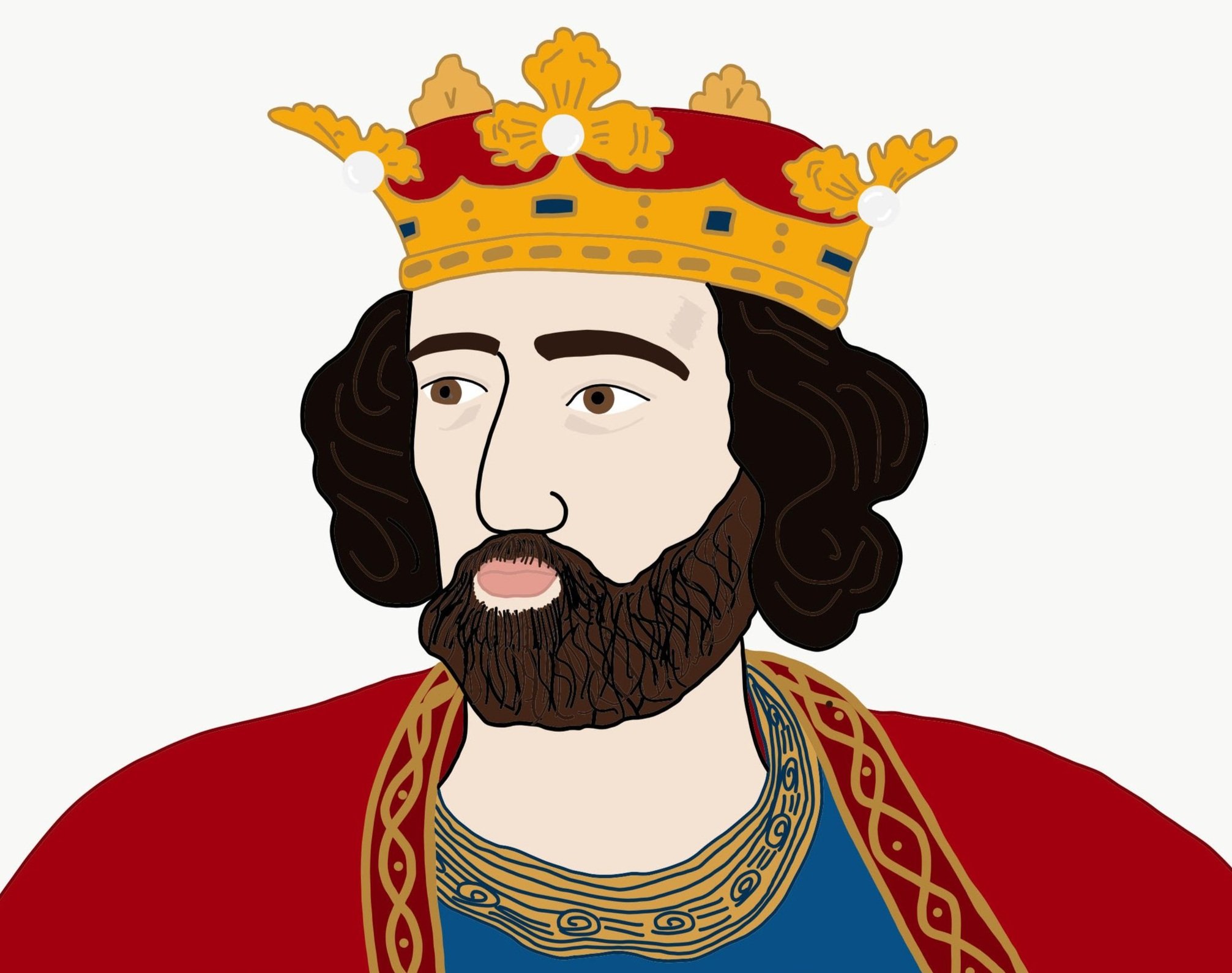
Coronation of King Edward I
1274 - King Edward I was crowned King of England at Westminster Abbey on his return to England from the Crusades. He was named king upon his father’s death in November 1272 but was abroad fighting and did not return to England until 2nd August 1274. He was nicknamed Edward Longshanks because he was 6’2” (188cm) which was very tall for the time.
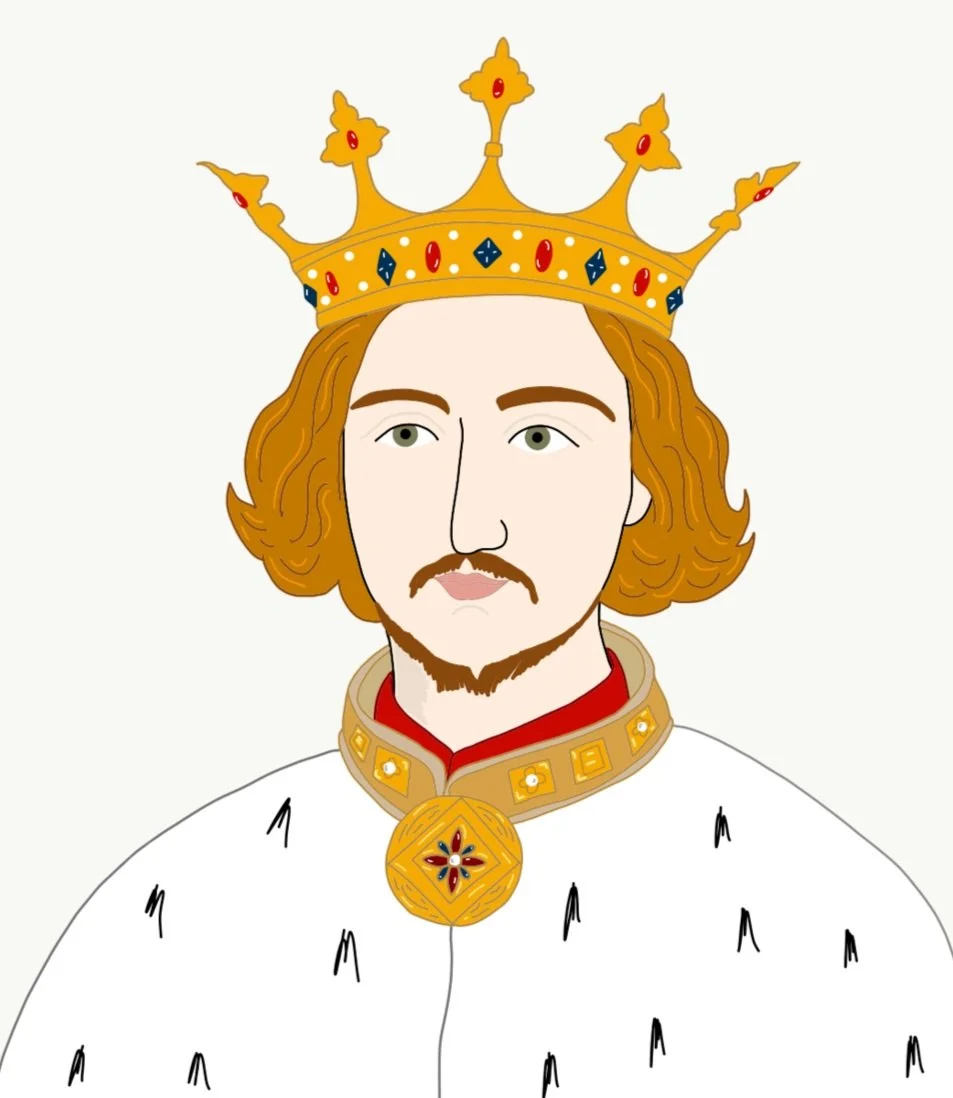
King Richard II surrendered to Henry Bolingbroke
1399 - King Richard II formally surrendered to his cousin Henry Bolingbroke promising to abdicate in return for his life. Richard II became king at the age of ten when his grandfather King Edward III died. Richard had been spoilt as a child and expected everything to go his way. This behaviour continued when he became King, and his reign was unpopular amongst some of the nobility.
Henry Bolingbroke’s father died whilst he was in exile and all of the lands and riches Henry was due to inherit were confiscated by King Richard II. Angered by this injustice Henry returned to England, raised an army, and captured Richard II without a fight. He then took the crown and became King Henry IV.
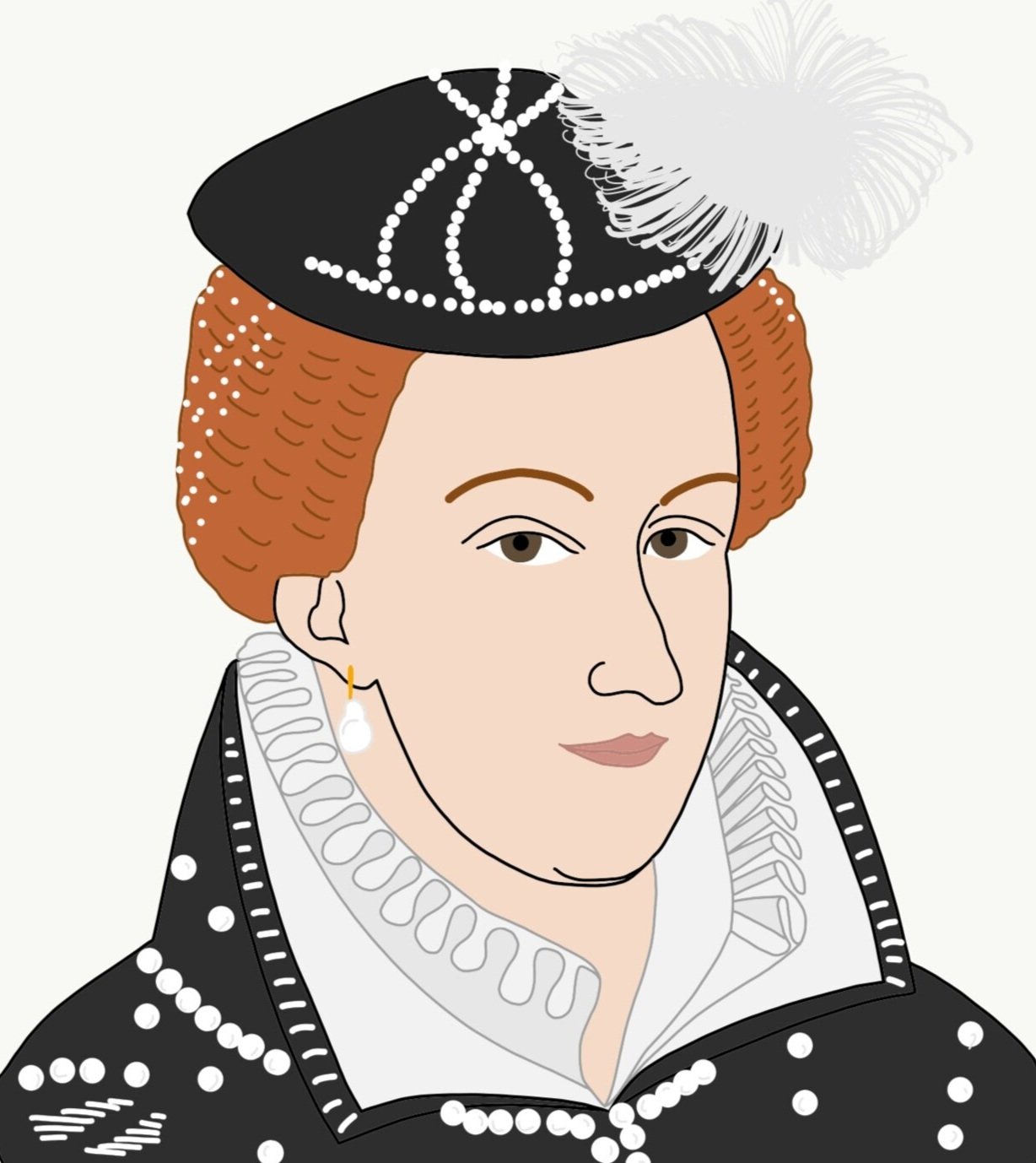
Mary Queen of Scots returned to Scotland
1561 - Mary Queen of Scots returned to Scotland to assume the throne after spending 13 years in France. She had been sent to live at the French Royal Court when she was 5 years old for her own safety and because she was betrothed to Prince Francis, the son of the French king. When she was 15 years old, they married, and a year later, in 1559, he became King Francis II.
Unfortunately, King Francis II died in 1560 and left Mary a widow at only 18 years of age. No longer wanted at the French Court, Mary decided to return to Scotland and resume her duties as Queen of Scotland.
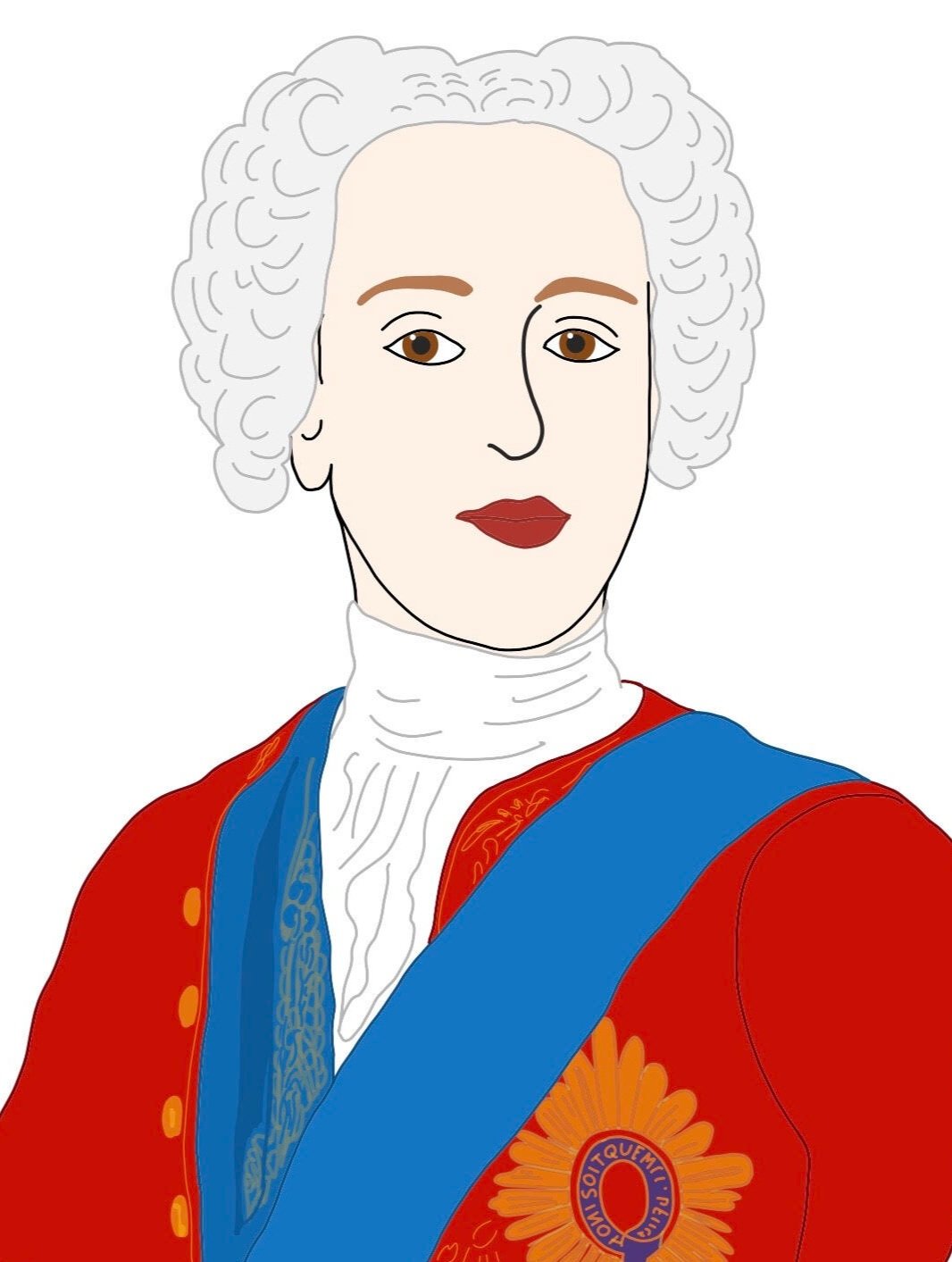
Bonnie Prince Charlie arrived in style at Loch Shiel
1745 - Bonnie Prince Charlie (Charles Edward Stuart) arrived at Loch Shiel by rowing boat in an attempt to challenge his father’s right to the thrones of Scotland and England.
His grandfather was the deposed King James VII and II who had been replaced by King William III and Queen Mary II.
Bonnie Prince Charlie was met by his supporters and at nearby Glenfinnan the young prince raised his flag in Scotland sparking the second Jacobite rebellion.
On 20th August…
1612 - Ten people were accused and found guilty of witchcraft and sentenced to hang at the gallows on the moors outside Lancaster. Although the evidence against them was flimsy, the ten people, eight women and two men, were found guilty and executed. The trial and fate of the Pendle Witches was recorded by the Clerk of the Court, Thomas Potts who published their story in his book, ‘The Wonderfull Discoverie of Witches in the Countie of Lancaster.’
On 21st August…
1689 - Battle of Dunkeld took place near Dunkeld Cathedral between Jacobite clans supporting King James VII and II and government Covenanters supporting King William III (William of Orange). The Covenanters were men (and women) who had won the right to practice their Presbyterian faith. Their newly formed military regiment had no battle experience when they were called upon to defend the town of Dunkeld from victorious Jacobite forces, confident from their win at the Battle of Killiecrankie.
Unlike other battles which took place on an open battlefield, the Battle of Dunkeld took place in the town’s streets and buildings, and by the end of the day the town was left in ruins with the defeated Jacobite forces fleeing into the hills and the Covenanters victorious with their win.
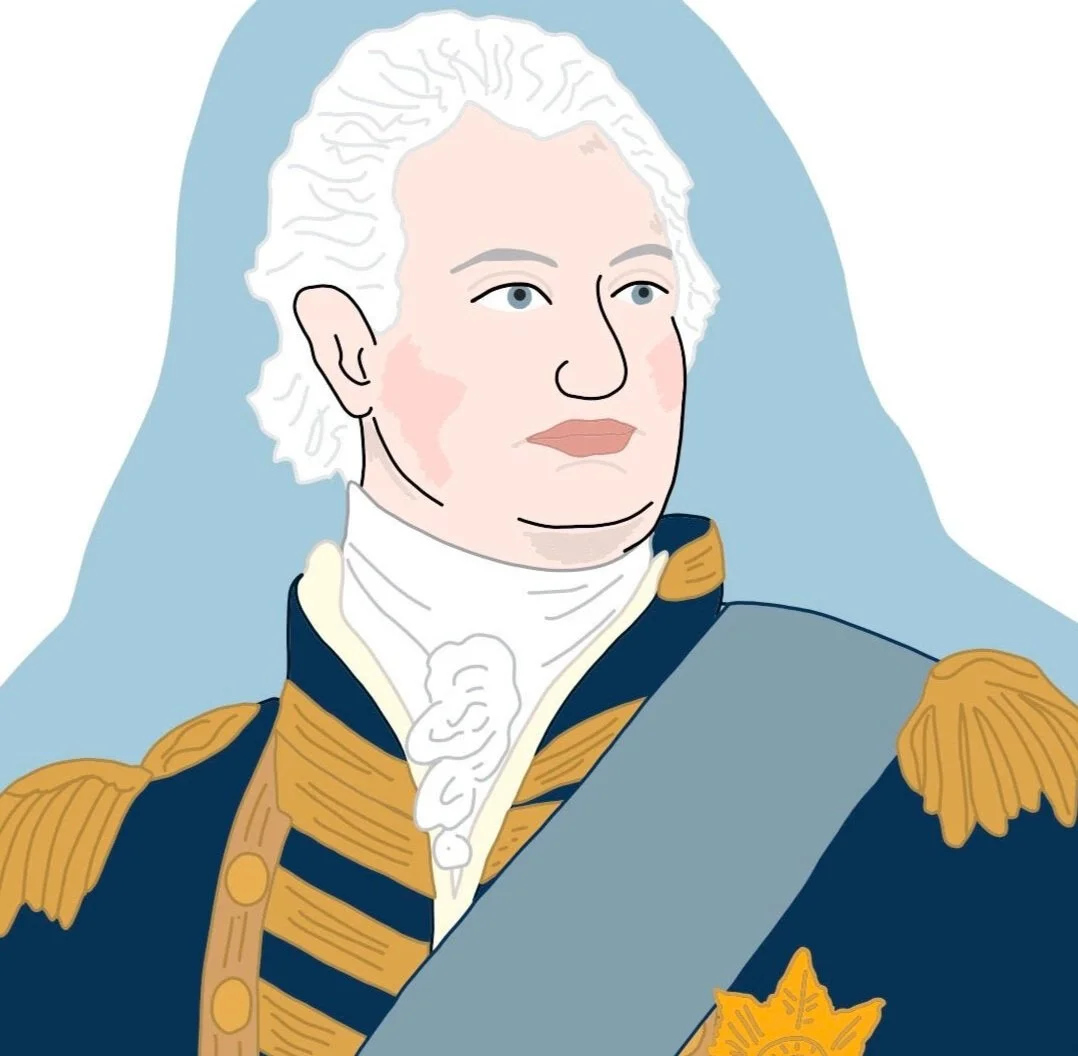
King WIlliam IV was born in London
1765 - King William IV was born in Buckingham Palace, London. He was the third son of King George III and did not expect to become king. When his brother King George IV died without an heir, William became King William IV at the age of 64 years.
On 22nd August…
1138 - The Battle of the Standard took place just north of Northallerton, Yorkshire. A Scottish army of 16,000 men led by King David I of Scotland fought 10,000 English troops in an attempt to gain lands and overthrow King Stephen. David’s plan was to replace the English king with his niece Matilda, the daughter of the former King Henry I and rightful heir to the English throne. Despite King Stephen and the majority of the English army being occupied in battle in the south of England with , the English troops defeated the Scottish army in a short space of time.
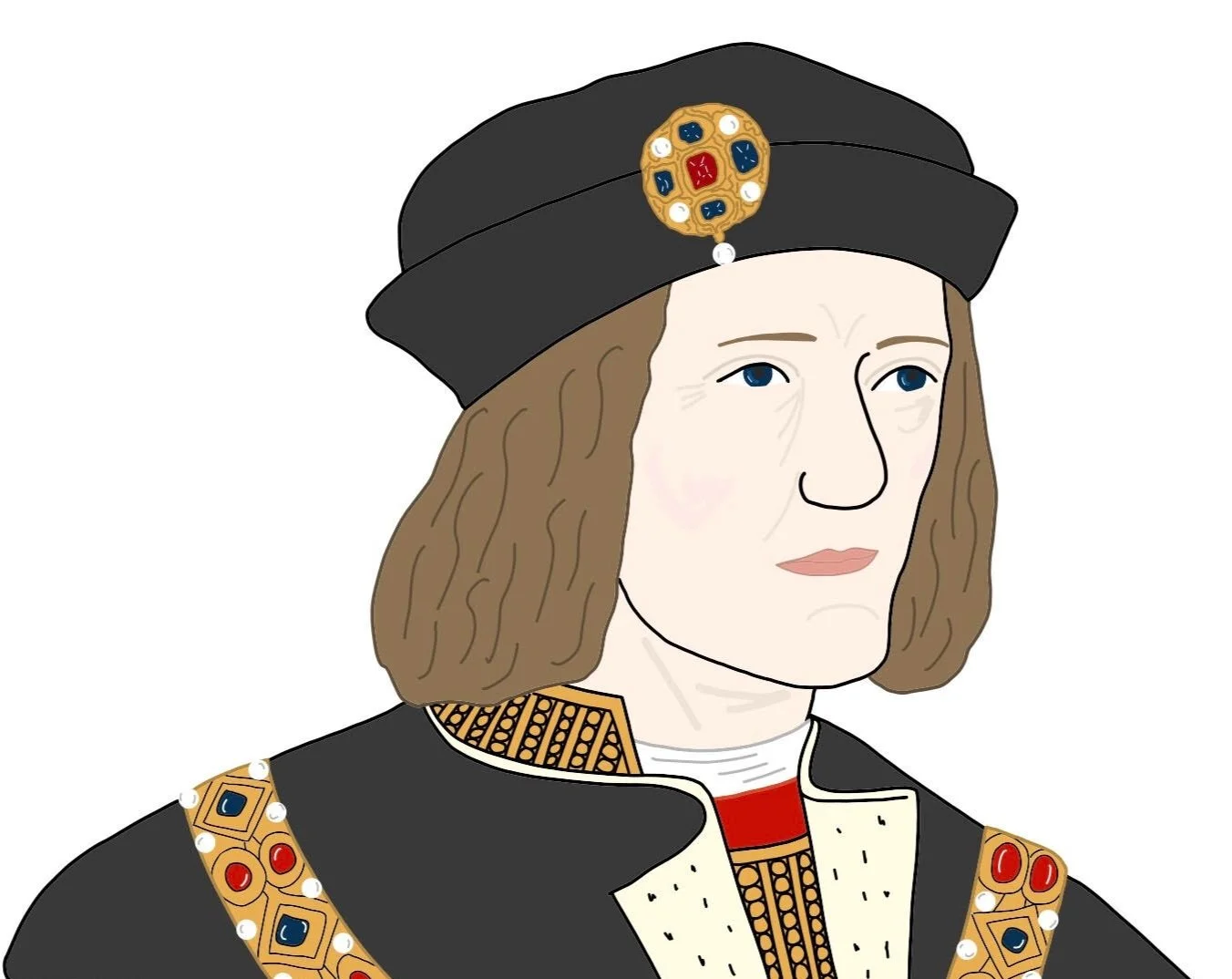
King Richard III died at Bosworth Field
1485 - King Richard III was killed at the Battle of Bosworth Field bringing an end to the Wars of the Roses. He was the last English monarch to die in battle. The Wars of the Roses were between House York and House Lancaster over the right to the English throne. When Richard died, his crown was found lying in a bush and placed upon Henry Tudor’s head. Henry became King Henry VII and married Richard III’s niece Elizabeth Woodville (daughter of King Edward IV) uniting the two warring families. To ‘advertise’ their union Henry VII designed the Tudor rose, incorporating the White rose of York and the Red rose of Lancaster into one rose.
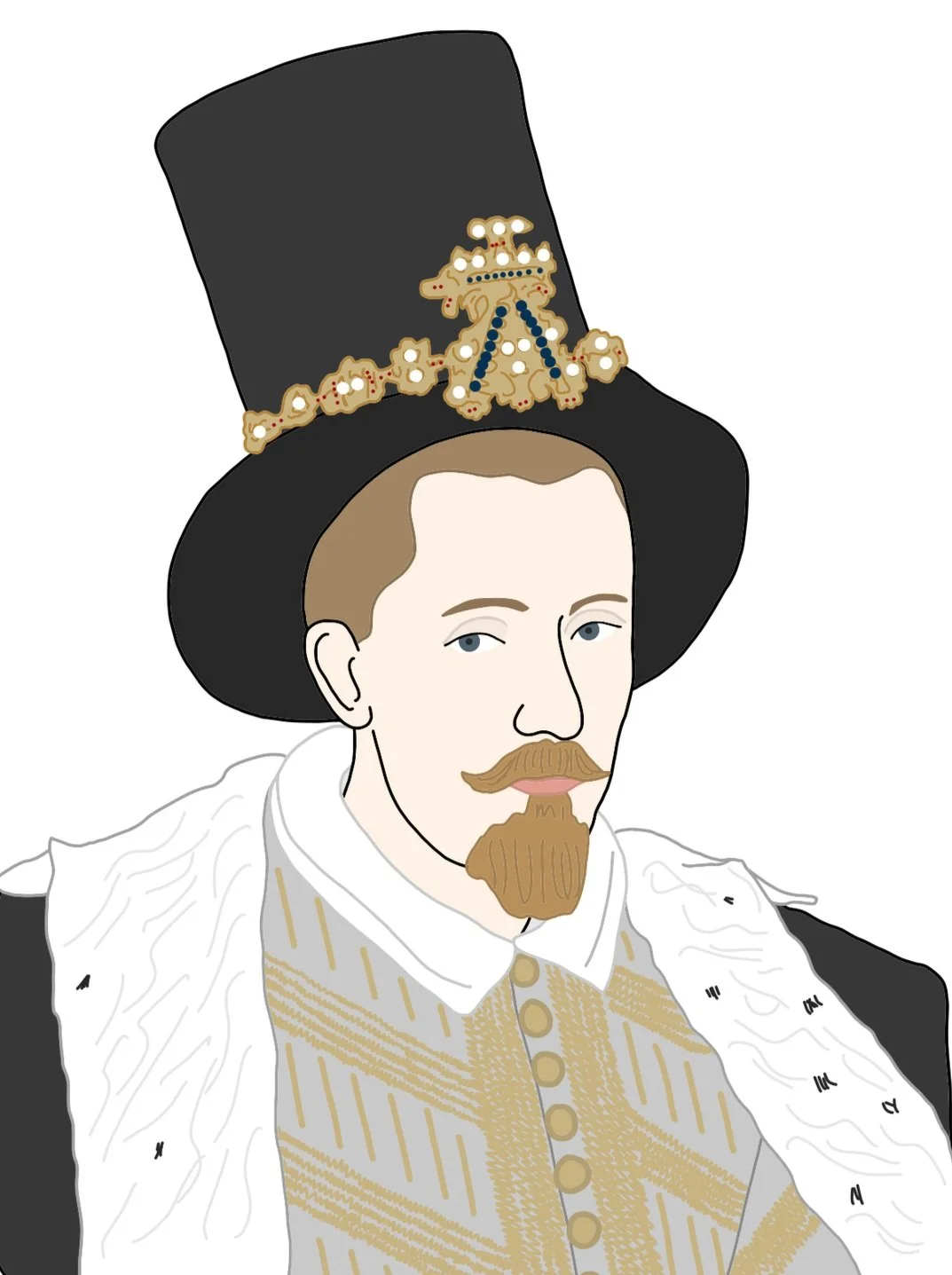
King James VI was captured and held prisoner
1582 - King James VI of Scotland was captured whilst on a hunting trip by William Ruthven. James was only 17 years old and there were questions over his dedication to the Protestant cause.
He was held captive for ten months before escaping by lulling his captors into a false sense of security. On his escape and return to power King James originally pardoned William Ruthven but later ordered his execution.
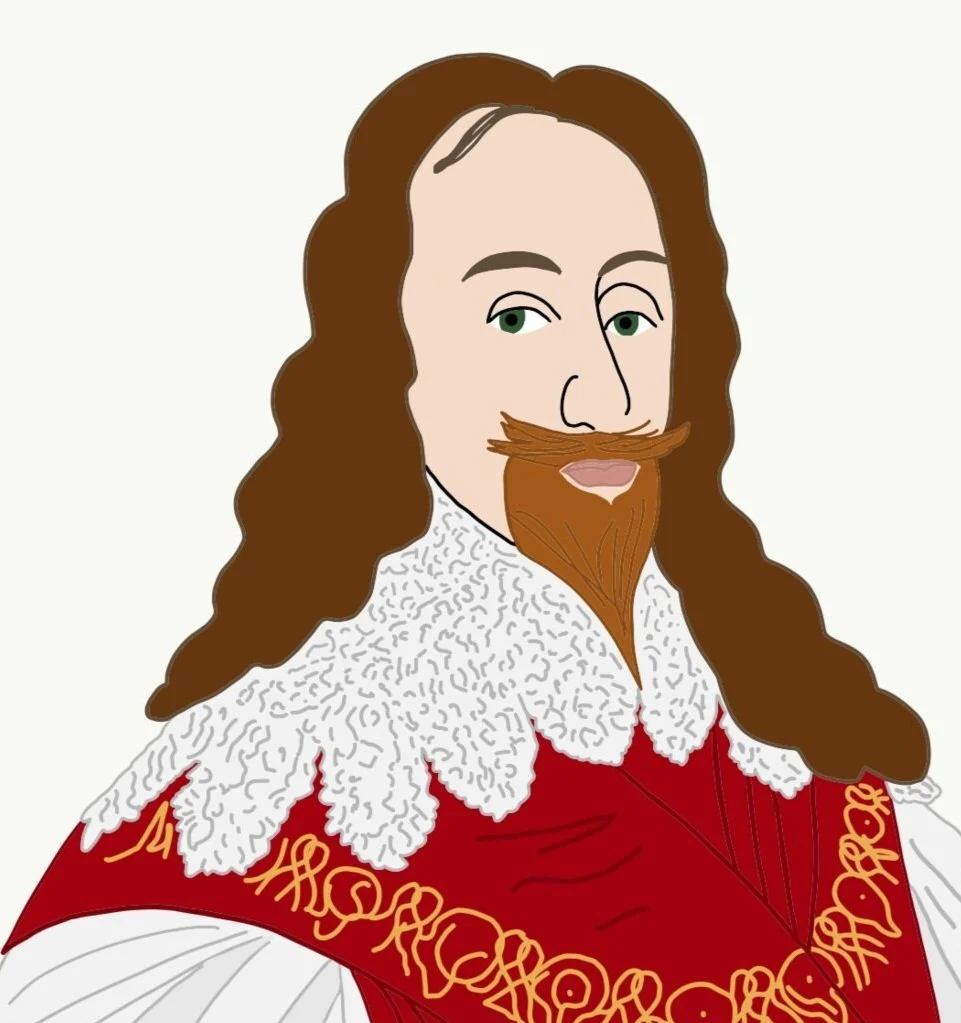
Make iKing Charles I raised his flag and started the English Civil War
1642 - The English Civil War began when King Charles I raised his royal standard (flag) at Nottingham.
On 23rd August…
93CE - Gnaeus Julius Agricola the Roman General and Governor of Britain died. During his rule of Britain, he conquered Wales and Northern England.
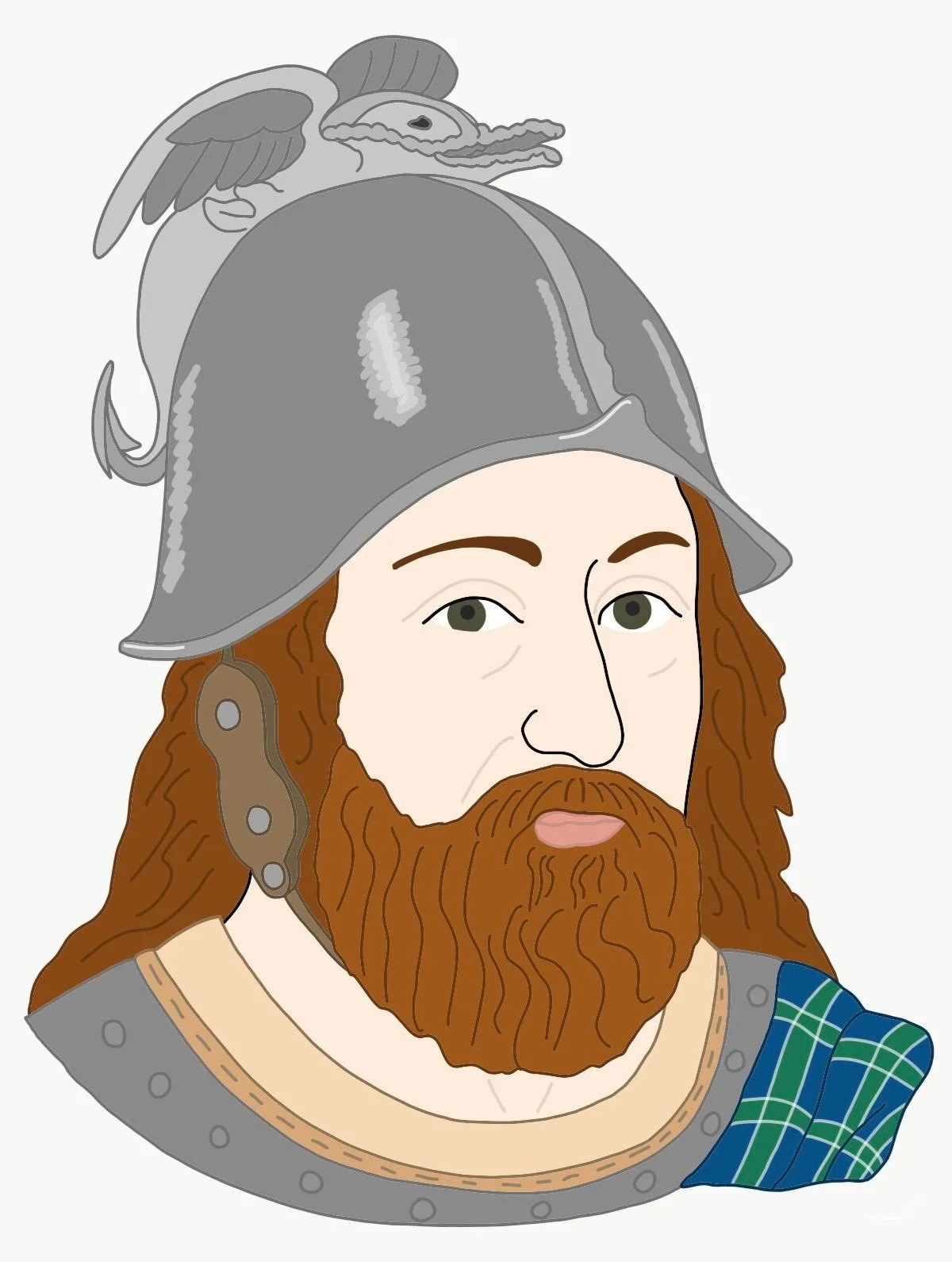
Scottish leader William Wallace was executed
1305 - William Wallace was executed in London for high treason. Wallace was a leader in the Scottish Wars of Independence and was caught by English soldiers after being betrayed by a friend. He was hanged, drawn and quartered, and his remains were transported across the country. His limbs were put on display in Perth, Berwick on Tweed, Stirling, and Newcastle upon Tyne as a deterrent to all rebels.
1914 - Japan declared war on Germany in World War I in respect of its 1902 alliance with Great Britain.
On 24th August…

Mount Vesuvius erupted in Italy
79CE - Mount Vesuvius erupted burying the Roman cities of Pompeii and Herculaneum under its volcanic ash. The cities and their people were preserved under the ash that rained down on them. Archaeologists have found buildings, roads, pots, jewellery, coins, artwork and even paper at the two sites.
1198 - King Alexander II of Scotland was born in Haddington, East Lothian, Scotland. His father was King William I of Scotland. Alexander became king at the age of 16 and ruled for 35 years. He maintained peace with England during his reign and strengthened the Scottish monarchy.

William Wilberforce, campaigner for the abolition of slavery, was born
1759 - William Wilberforce was born in Hull. He became a member of Parliament and is most famous for his tireless campaigning for the abolition of slavery.