August 25th - 31st
On 25th August…

Galileo demonstrated how to observe the planets using a telescope
1609 - Galilei Galileo demonstrated his first telescope to lawmakers in Venice. His telescopes helped him to observe the other planets and led him to agree with Nicolaus Copernicus that the earth did indeed revolve around the sun. Galileo spent the last ten years of his life under house arrest because his views of the universe differed to those of the Catholic Church.
1688 - Henry Morgan, the Welsh pirate and privateer died. A privateer is a pirate who is given permission by the government to continue being a pirate as long as he only attacks enemy ships. Henry Morgan operated in the Caribbean seas with the unofficial support of the British government where he undermined Spanish authority, plundered their ships and raided their wealthy settlements on the Caribbean islands.
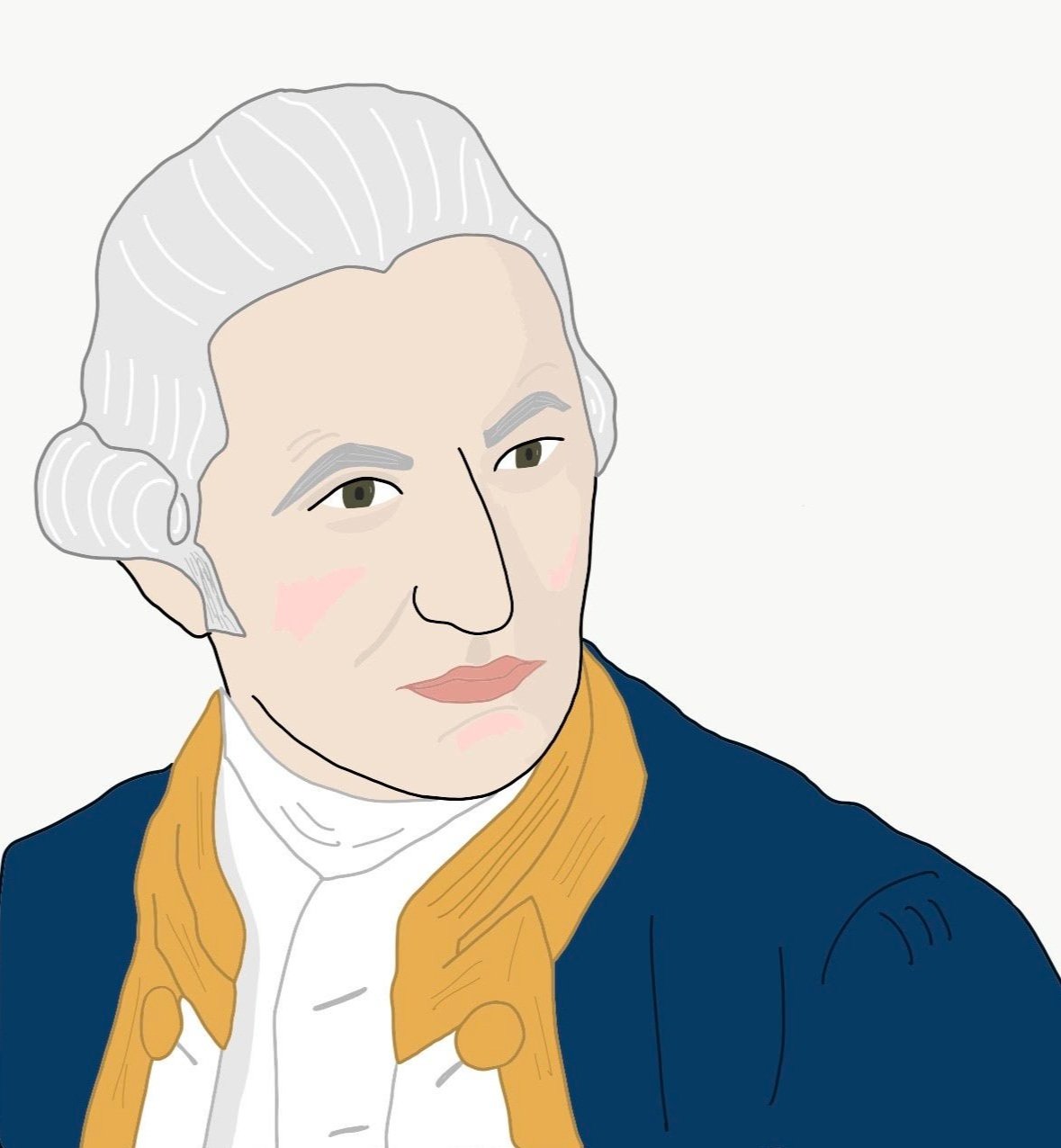
Captain Cook left England in search of Australia
1768 - Captain James Cook left Plymouth, England on his first voyage aboard his ship the Endeavour. He was headed for the Pacific Ocean to observe the planetary transit of Venus and to secretly search for a large southern continent - now known as Australia.
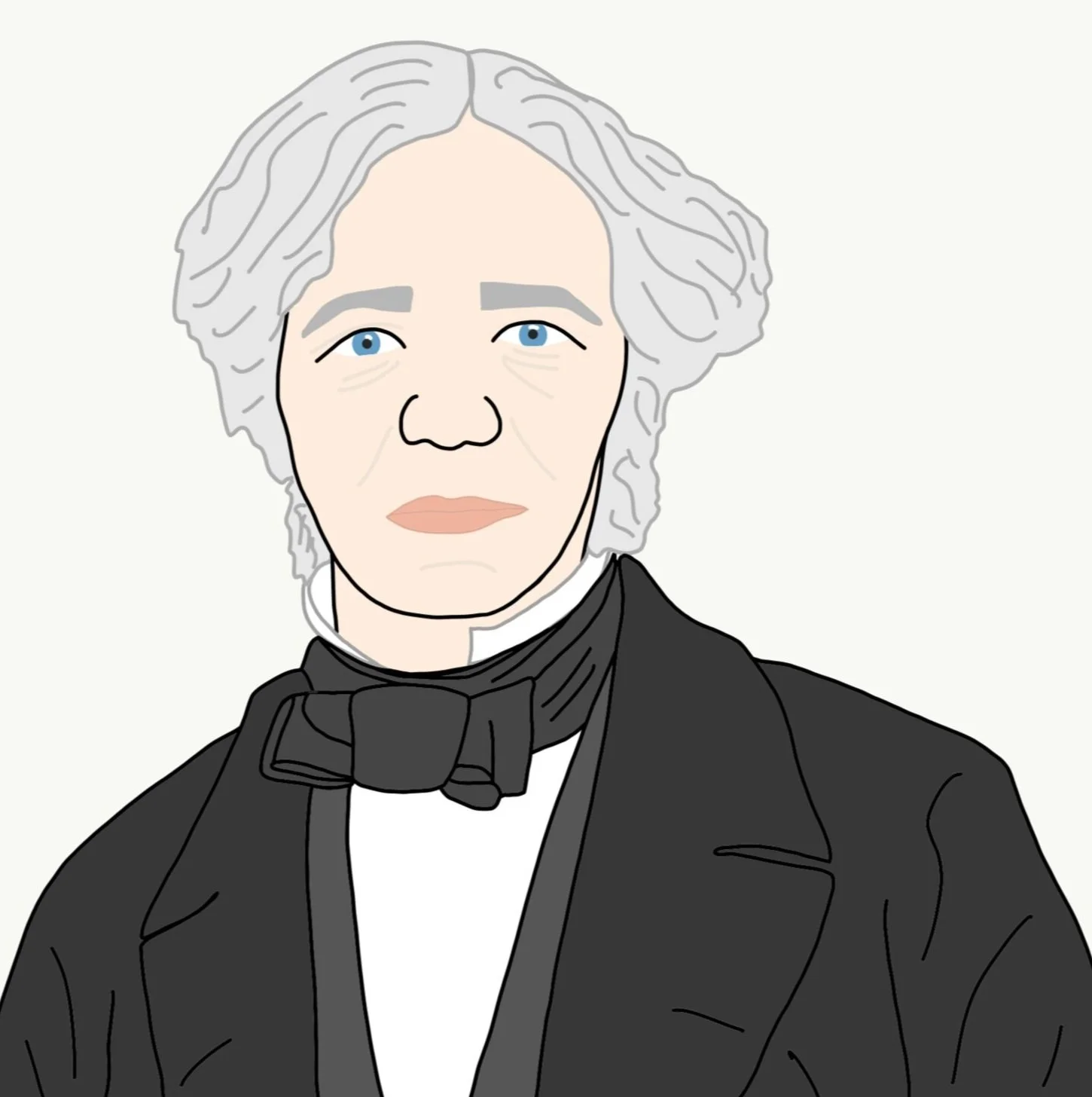
Michael Faraday died
1867 - Michael Faraday died at Hampton Court where he had been given rooms to live in recognition of his contribution to science. He was an English scientist whose discoveries and inventions formed the foundation of electric motor technology.
1875 - Matthew Webb became the first person to successfully swim the English Channel from England to France. He began his swim on the 24th August and finally touched ground in Calais on the 25th. It took him 22 hours.
1914 - At the beginning of World War I German troops began to burn and loot the Belgian town of Louvain. Their destruction and rampage continued for five days, killing a large number of its population including women and children.
1944 - After four years of Nazi occupation the city of Paris was liberated during World War II. On the 19th August Resistance fighters and ordinary civilians began a week of anarchy, rebelling against the Nazi occupiers in the anticipation of Allied troops arriving soon. Train drivers, policemen and other workers went on strike; men in small groups began attacking German soldiers; barricades started going up. Gradually entire neighbourhoods were reclaimed. Allied troops that were heading straight for the German border diverted their journeys via Paris and on the evening of 24th August the first troops arrived to help the resistance. By 2:30pm on the 25th August, the Nazi occupiers had surrendered and Paris belonged to the French once more.
On 26th August…
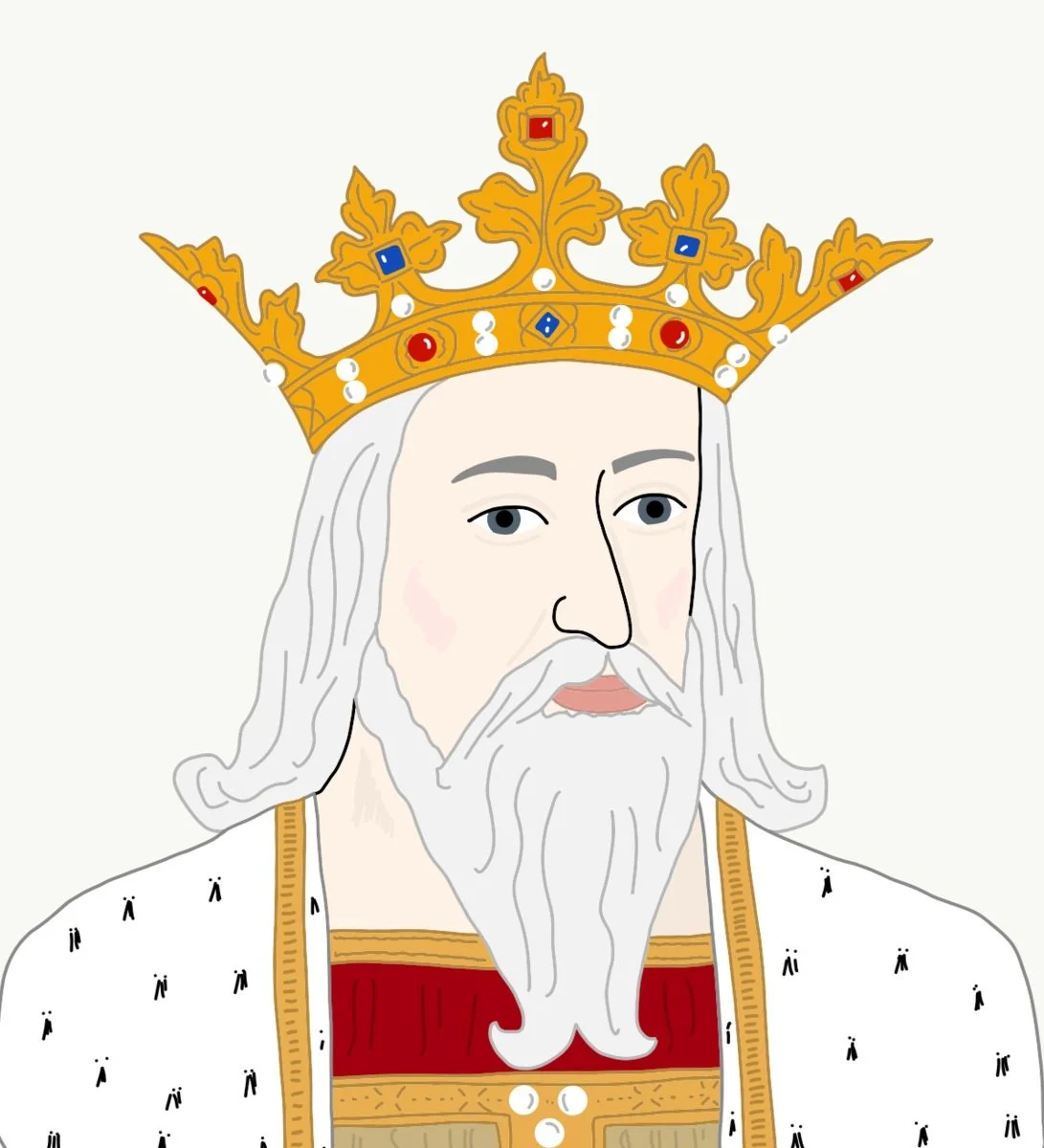
King Edward III victorious at Crecy
1346 - King Edward III of England defeated King Philip VI of France in an early battle of the Hundred Years War at the Battle of Crecy in Northern France. Edward was intent on exerting his claim to the French throne via his mother, Isabella of France. Positioning his troops in a defensive formation, Edward’s heavily outnumbered English soldiers easily defeated the French by using their longbows to rain down arrows on each and every cavalry charge the French sent to attack. By the end of the day Edward III could number his fallen at around 300 men compared to around 14,000 French.
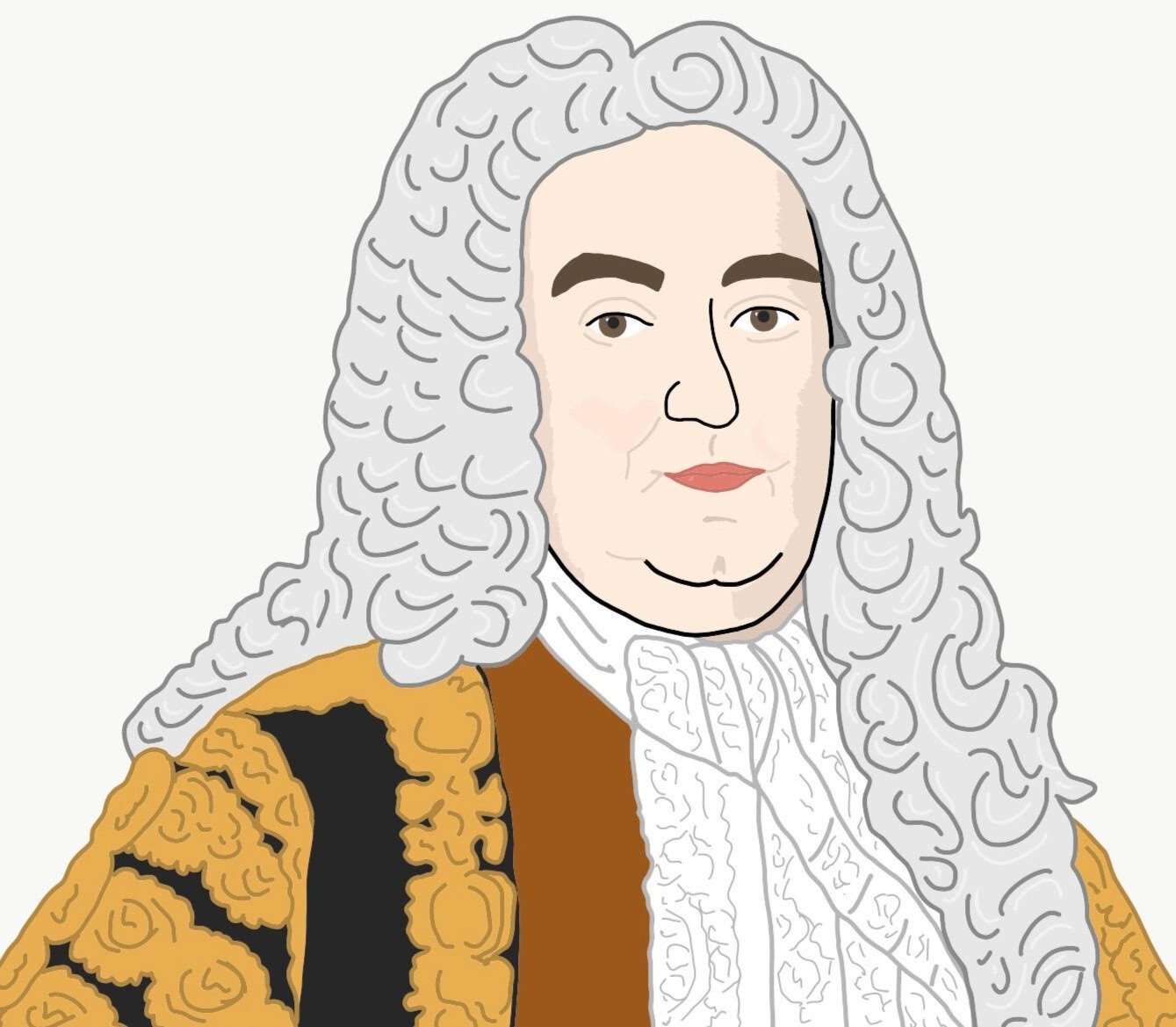
Britain’s first Prime Minister was born
1676 - Robert Walpole, the first British Prime Minister, was born in Norfolk, England.
On 27th August…

Krakatoa erupted causing chaos
1883 - The volcano Krakatoa erupted on the island of Rakata near Sumatra, Indonesia. The eruption could be heard 2,200 miles away in Australia. The blast created 120-foot-high tsunamis (36 metres) which killed 36,000 people on the nearby islands of Java and Sumatra.
1916 - Romania declared war on Austria-Hungary during World War I. Its main motivation was the opportunity to claim the region of Transylvania from Austria-Hungary which had a majority population of Romanians.
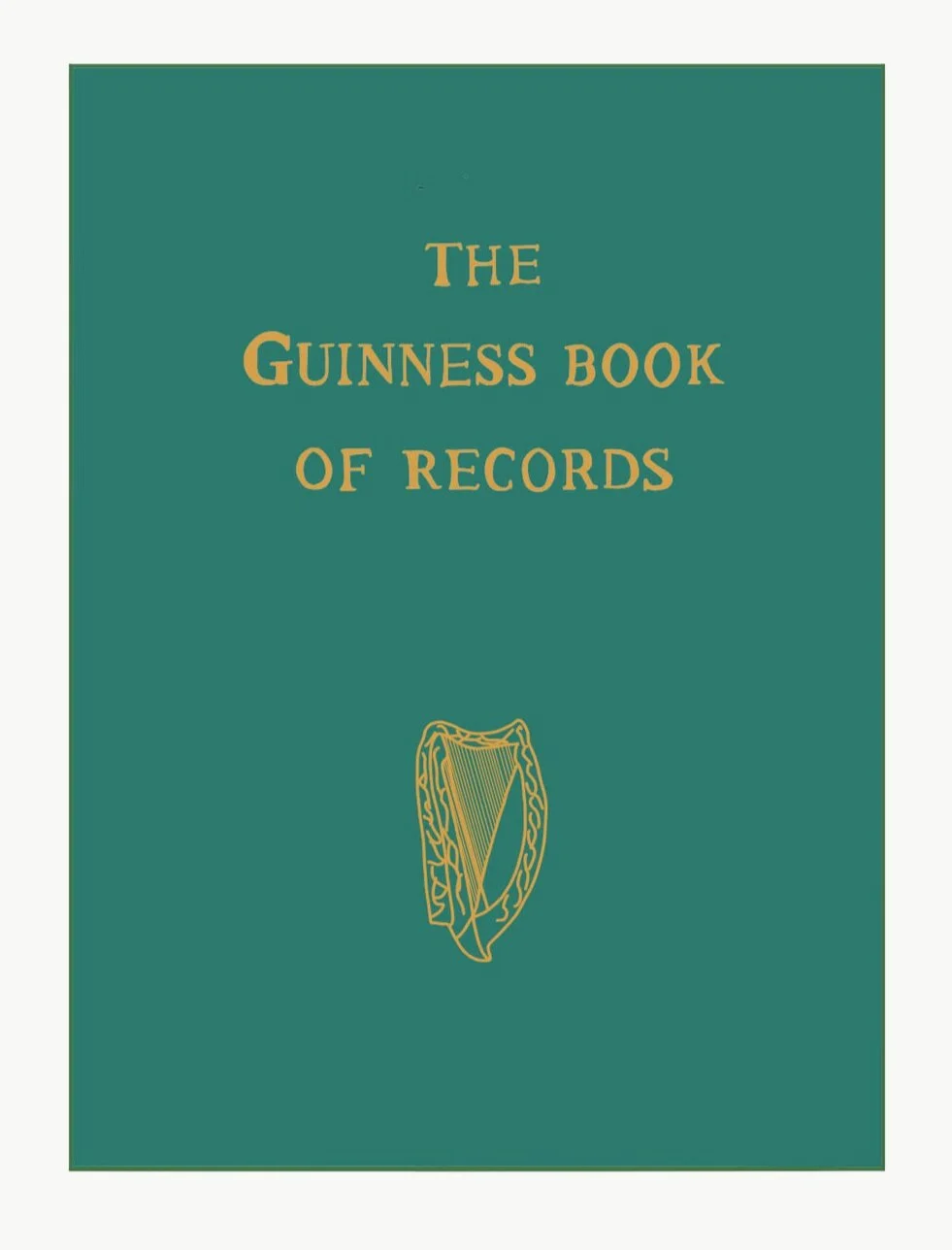
Are you a record breaker?
1955 - The Guinness Book of Records was first published in Great Britain. It was an immediate success and has continued to be a best seller every year. Are you in the Guinness Book of Records? What is your record?
On 28th August…
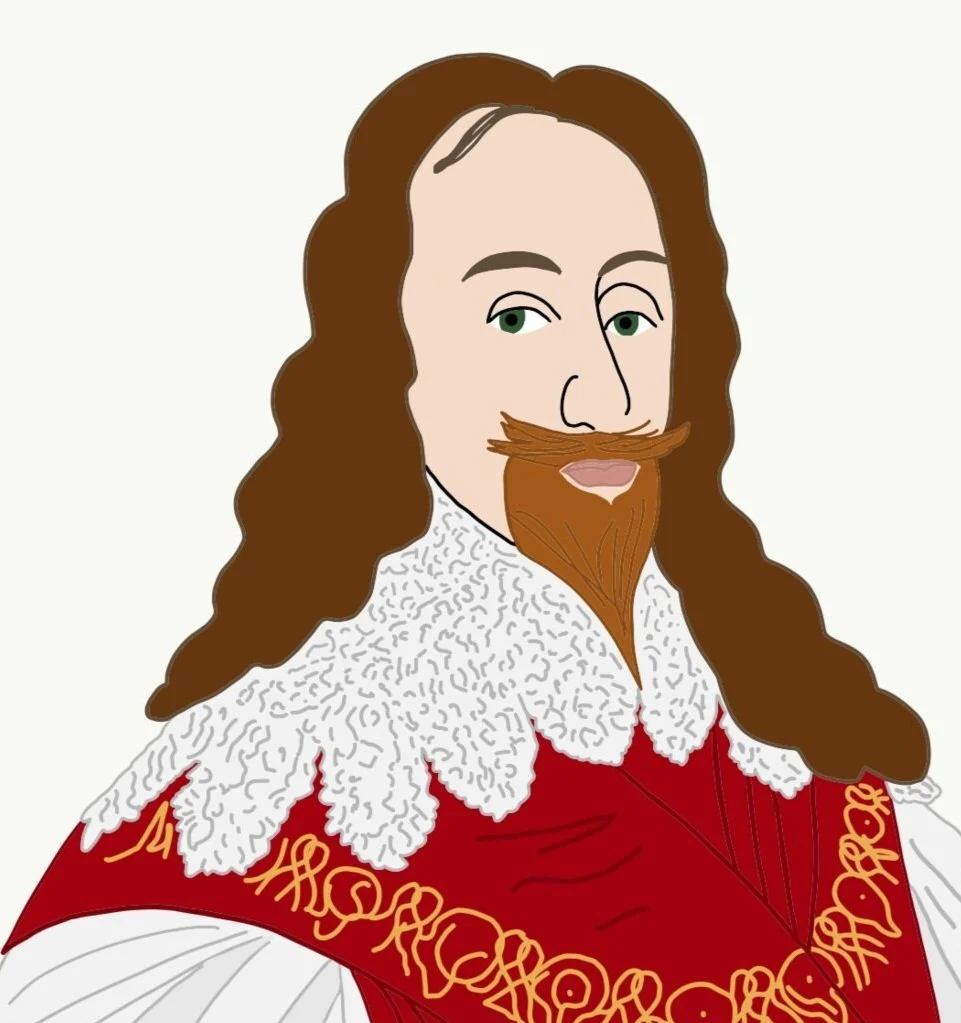
Scotland defeated Charles I at Battle of Newburn
1640 - The Battle of Newburn between England and Scotland in the Second Bishop’s War took place. The Bishop’s Wars were in retaliation to King Charles I’s attempts to reform the Scottish church by forcing a new book of prayer on it and bringing it into unison with the English church. Scotland won the battle and proceeded to occupy the city of Newcastle asking to be paid before they would leave. King Charles was forced to ask Parliament for financial aid which eventually led to his downfall and the English Civil war.
1833 - Britain’s Slavery Abolition Act became law after the Act was given royal approval by King William IV.
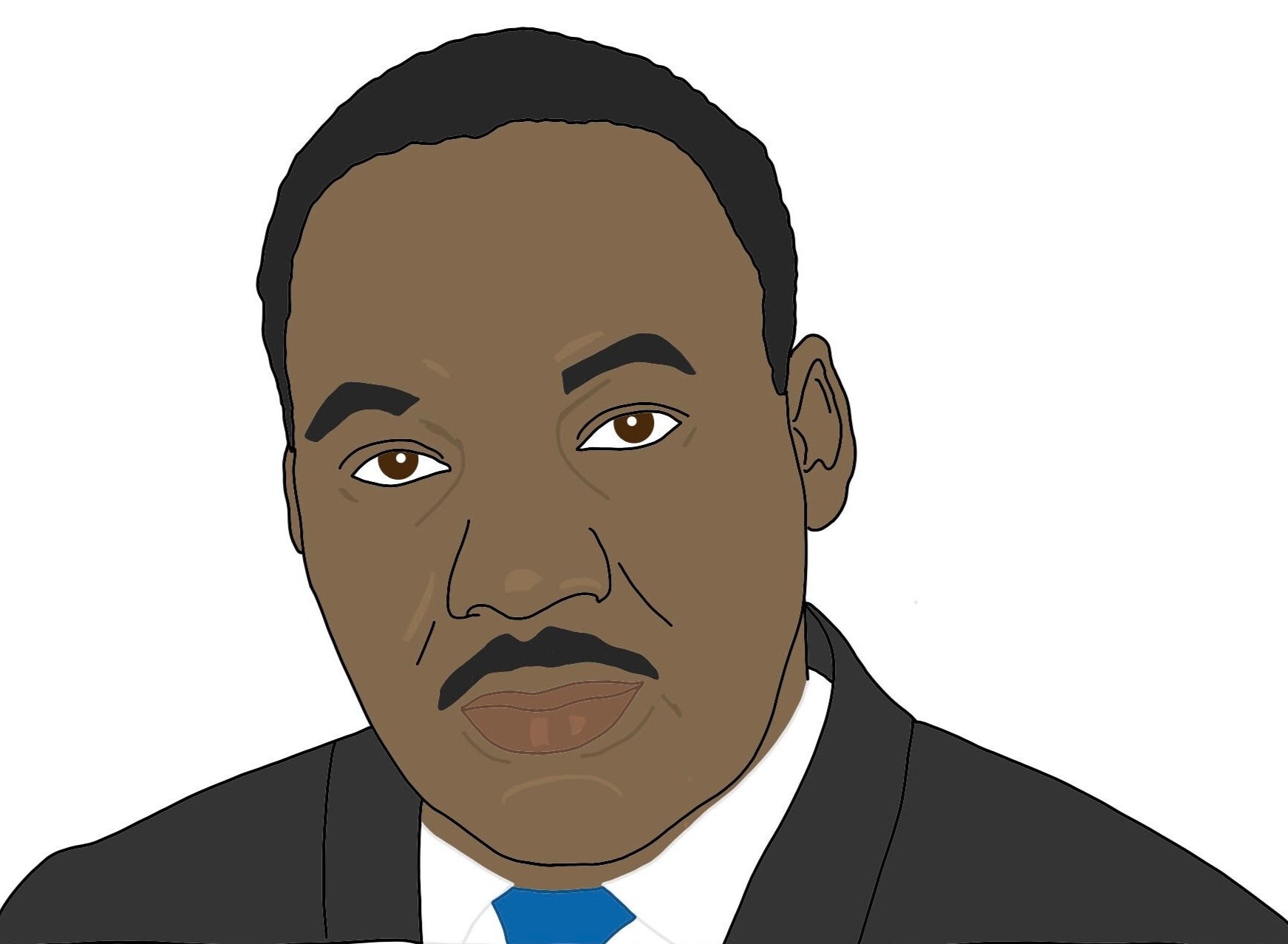
‘I have a dream…’
1963 - Martin Luther King Jr delivered his famous speech, “I have a dream…” in Washington DC, USA to a crowd of around 200,000 people. The crowd had been demonstrating against racial discrimination in the USA, and for civil rights, equality and freedom. The speech has become one of the most iconic speeches in American history and is recognised around the world.
1994 - For the first time, thousands of shops across England and Wales opened legally for trading on Sundays. Large shops over 280m² in size are only permitted to be open for a maximum of six hours continual trading between the hours of 10am and 6pm, smaller shops can open for as long as they wish.
On 29th August…
King Edward III victorious at Battle of Winchelsea
1350 - Battle of Winchelsea took place in the English Channel near Winchelsea and Rye. King Edward III was quite angry and frustrated with the Spanish piracy against English ships and wanted to take revenge. Hearing of a fleet of Spanish ships that had been trading with France, he decided it was an opportune moment for battle. A fleet of 50 English ships attacked, fought off and defeated about 40 Spanish ships.
That might make the Spanish think twice about attacking any more of Edward’s ships.
1782 - The British battleship HMS Royal George sank off Spithead, near Portsmouth, on the south coast of England. The crew of about 900 sailors were all killed. It was reported that the ship had sunk quickly because the bottom of it was so rotten that it completely fell away.
Demonstration of the first electric transformer
1831 - Michael Faraday demonstrated the first electric transformer. His demonstration involved an iron ring, some copper wire and a plate battery which showed how electricity can be transferred across space using electro-magnetism. Modern electricity substations today consist of very large transformers that work along the same principle that Faraday demonstrated in 1831.
1923 - Richard Attenborough the English actor and director was born in Cambridge. His films include Jurassic Park (actor) and Gandhi (director) which collected eight Oscars. Did you know that he was the brother of Sir David Attenborough the world famous broadcaster, biologist and natural historian?
On 30th August…
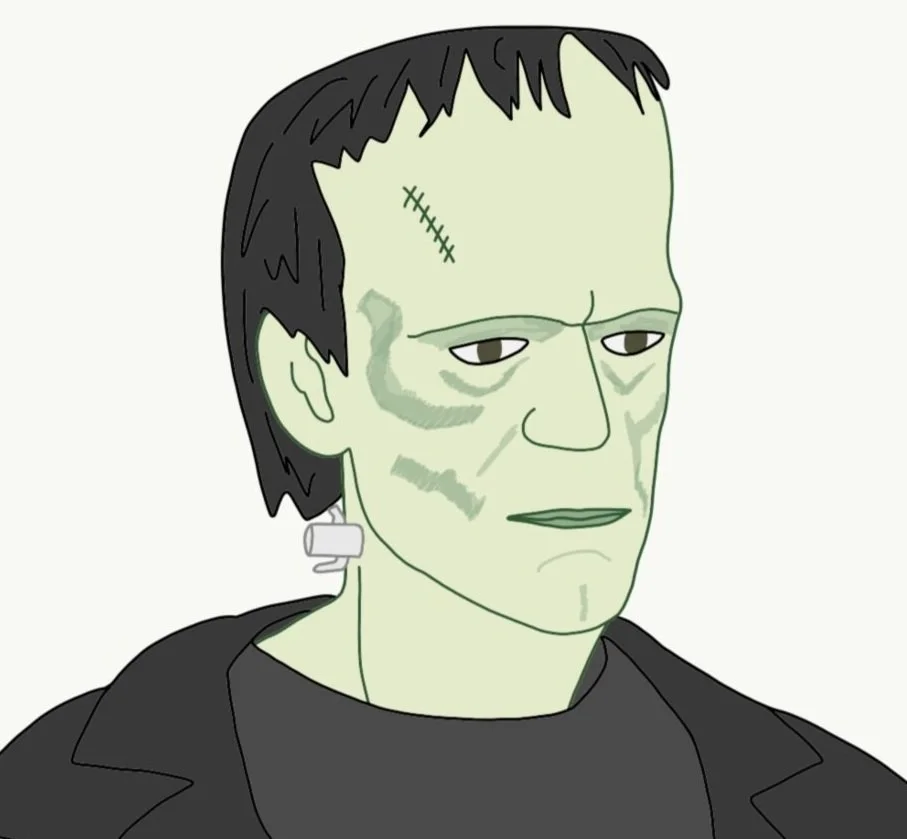
Mary Shelley, author of Frankenstein, was born
1797 - Mary Shelley the English author who wrote Frankenstein was born in London. She was married to the poet Percy Bysshe Shelley.
On 31st August…
12CE - Caligula, Emperor of Rome was born in Anzio, Italy. He was assassinated by his Praetorian Guard in 41CE.
161CE - Commodus, Roman Emperor was born in Lanuvium Italy. He too, like Caligula was also assassinated in 192CE. Not sure I’d like to be a Roman Emperor, especially when a common cause of death was assassination.

Death of King Henry V
1422 - Henry V of England died. leaving his nine-month-old son to become King Henry VI.
Henry V is famous for leading English troops to victory in France at the Battle of Agincourt in 1415. His victories in France led to his son, Henry VI, becoming King of both England and France.
He died in France of battle dysentery shortly after winning the Siege of Meaux.
1888 - The body of Mary Ann Nichols was found in Buck’s Row, Whitechapel, London. She was the first victim of Jack the Ripper, who was a famous serial murderer of Victorian England. Jack the Ripper’s identity has never been discovered.
1997 - Princess Diana, mother to Prince William and Prince Harry, died in a car crash in Paris.