July 21st - 27th
On 21st July…
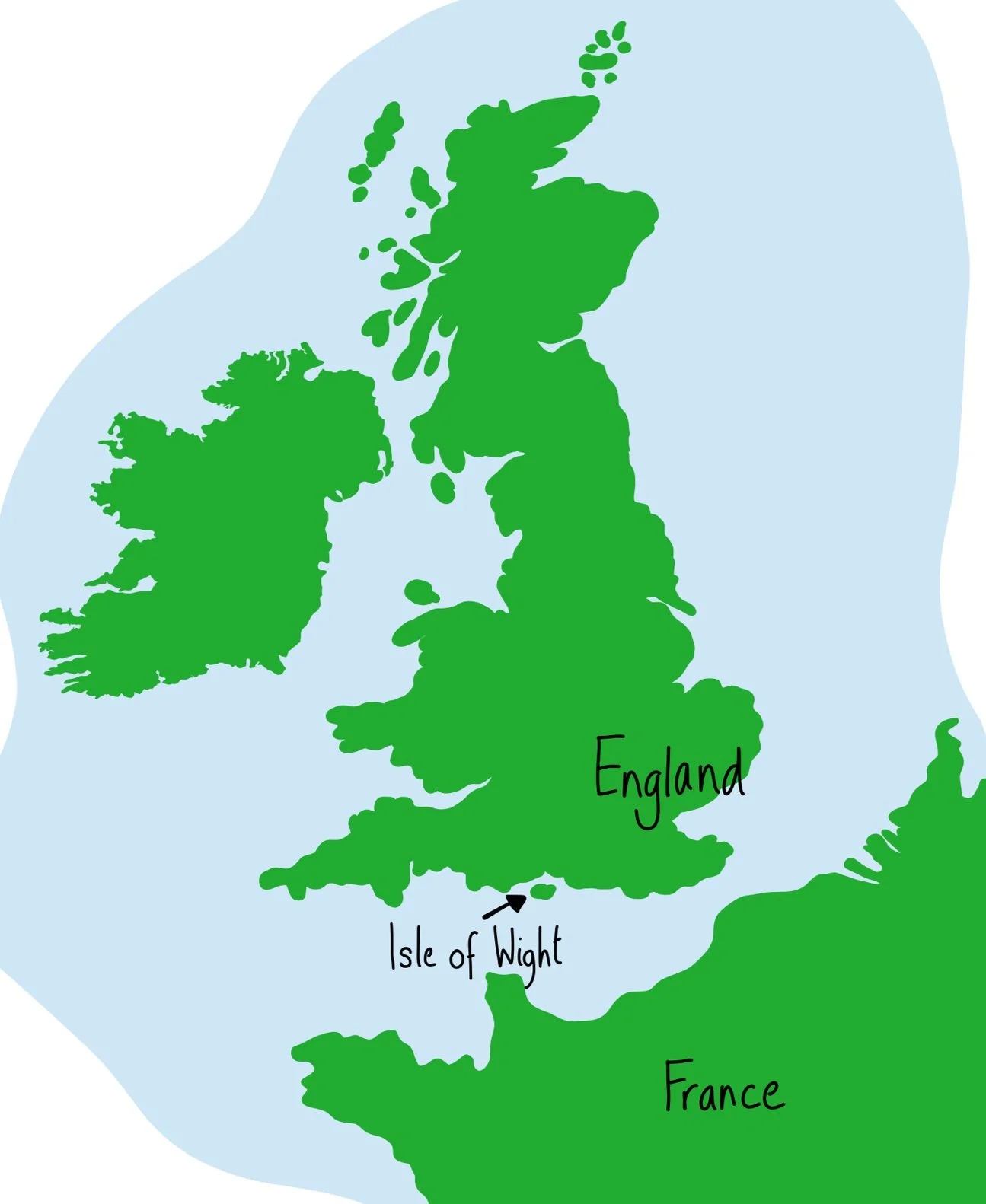
French troops invaded England
1545 - Whilst attempting to invade England, French troops landed at different parts of the Isle of Wight. Attempting to catch the islanders by surprise they were themselves surprised to find that the English had spotted their arrival and had already taken to high ground in order to repel any attack. All of the citizens of the Isle of Wight, including women, were required to have military training to defend their homes against the frequent invasions from the French forces, and they soon had the French fleeing back to their ships unable to break through the defences.
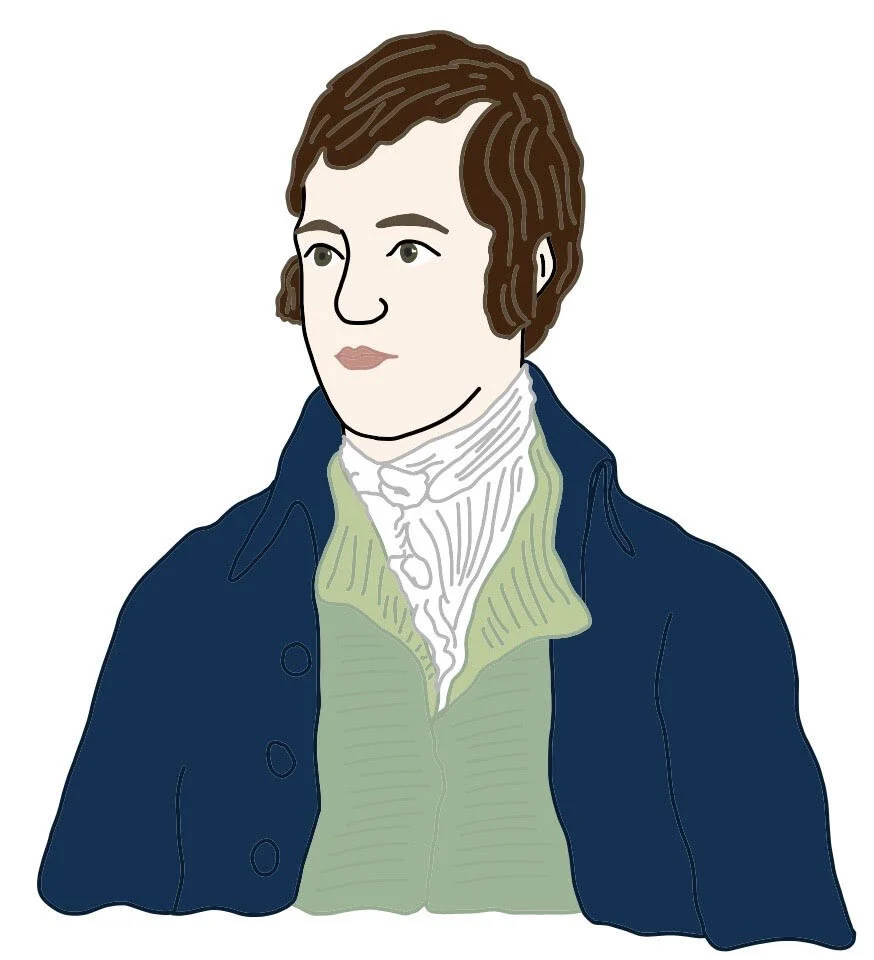
Death of Robert Burns
1796 - Robert Burns the famous Scottish poet died in Dumfries, Scotland. He wrote numerous poems and songs including ‘Auld Lang Syne’ which is the song often sung at the stroke of midnight to say goodbye to the old year and bring in the New Year. He is celebrated annually on Burns Night, January 25th, when people around the world gather for suppers in his honor, reciting his poetry and singing his songs.
On 22nd July…
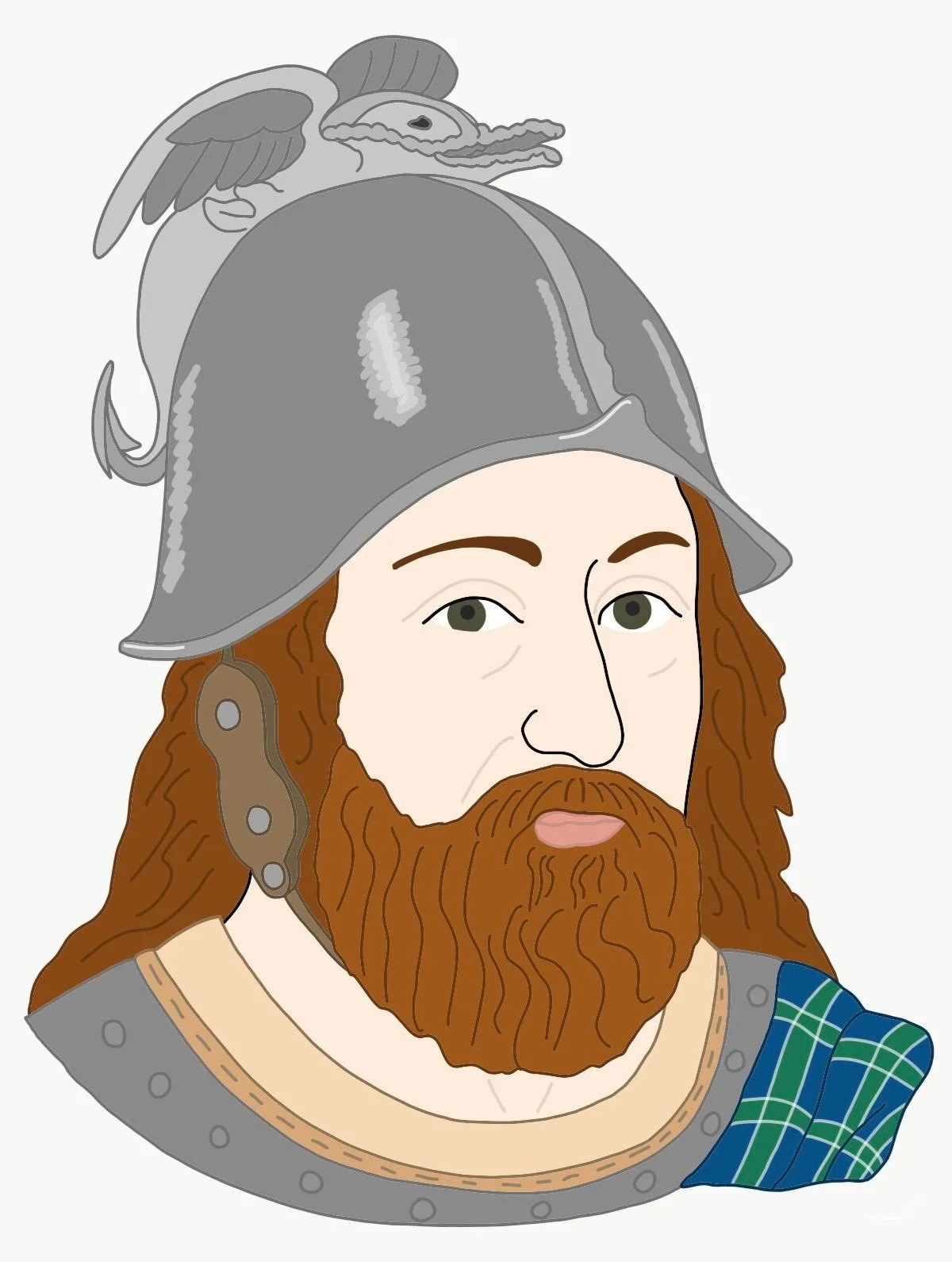
William Wallace defeated at the Battle of Falkirk
1298 - The Battle of Falkirk took place between the armies of King Edward I of England, and Scottish forces led by William Wallace. Using long bows that were nearly two metres long and that could shoot armour piercing arrows at a distance nearly twice the length of a football pitch, the English could attack the Scots from far away. This gave the English army a much better advantage, and with their greater numbers they easily overpowered and defeated the Scots.
2013 - Prince George, son of Prince William was born in London. Prince George is second in line to the English throne.
On 23rd July…
1914 - Austria-Hungary issued an ultimatum to Serbia following the assassination of Archduke Franz Ferdinand by a Serbian nationalist. The ultimatum had a 48-hour reply deadline and was written in such a way that it was practically impossible for Serbia to accept the terms, or that Austria-Hungary would be willing to accept any amendments of the ultimatum by Serbia in an attempt to try and reach an agreement. Germany, an ally of Austria-Hungary, tried to diplomatically ease the situation but the other Great Powers (Britain, Russia, France) were not inclined to see Austria-Hungary as acting alone because of its relatively weak military. It appeared most likely that Germany would have to stand by its allegiance with Austria-Hungary and side against Serbia. Serbia appealed to its ally, Russia for advice. If Russia was drawn into the fray, then both Britain and France by extension of their allegiance with Russia would also be brought into the conflict. Serbia agreed to all of the terms of the ultimatum with one exception. This was not acceptable to Austria-Hungary who declared war. This was the beginning of World War I.
On 24th July…
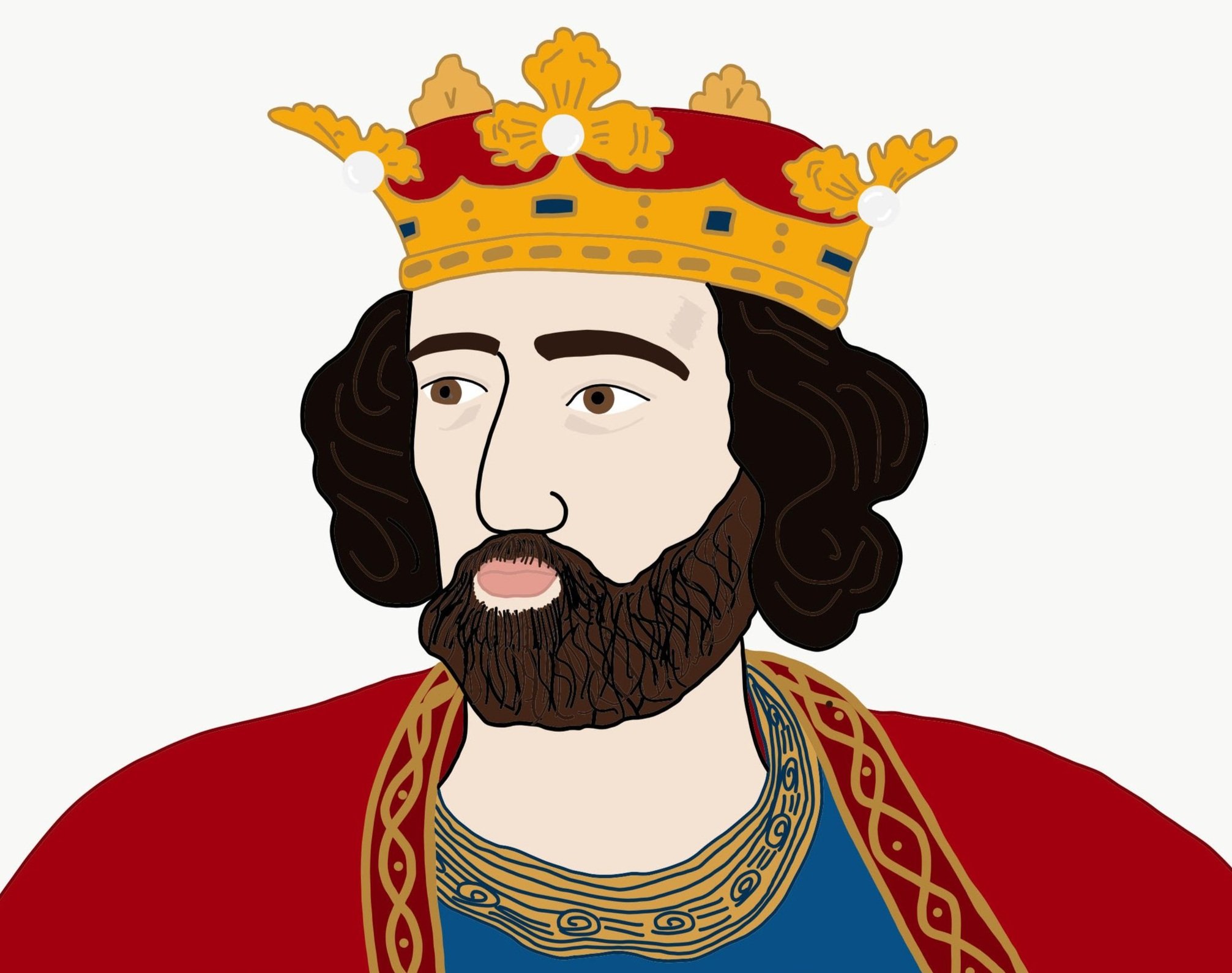
Stirling Castle taken by King Edward I
1304 - King Edward I of England took Stirling Castle, the last rebel stronghold of the war between England and Scotland. He had lain siege to the castle and its Scottish defendants led by Sir William Oliphant for three months before there was any sign of surrender. A note of surrender was sent to Edward I on 20th July but was rejected by the king. The rejection was possibly so that Edward could show-off one of his weapons that had been under construction during the siege. The ‘war wolf’ was a type of giant catapult that could hurl projectiles up to 140kg in weight at the castle. Stirling Castle was reclaimed by the Scots ten years later at the Battle of Bannockburn.
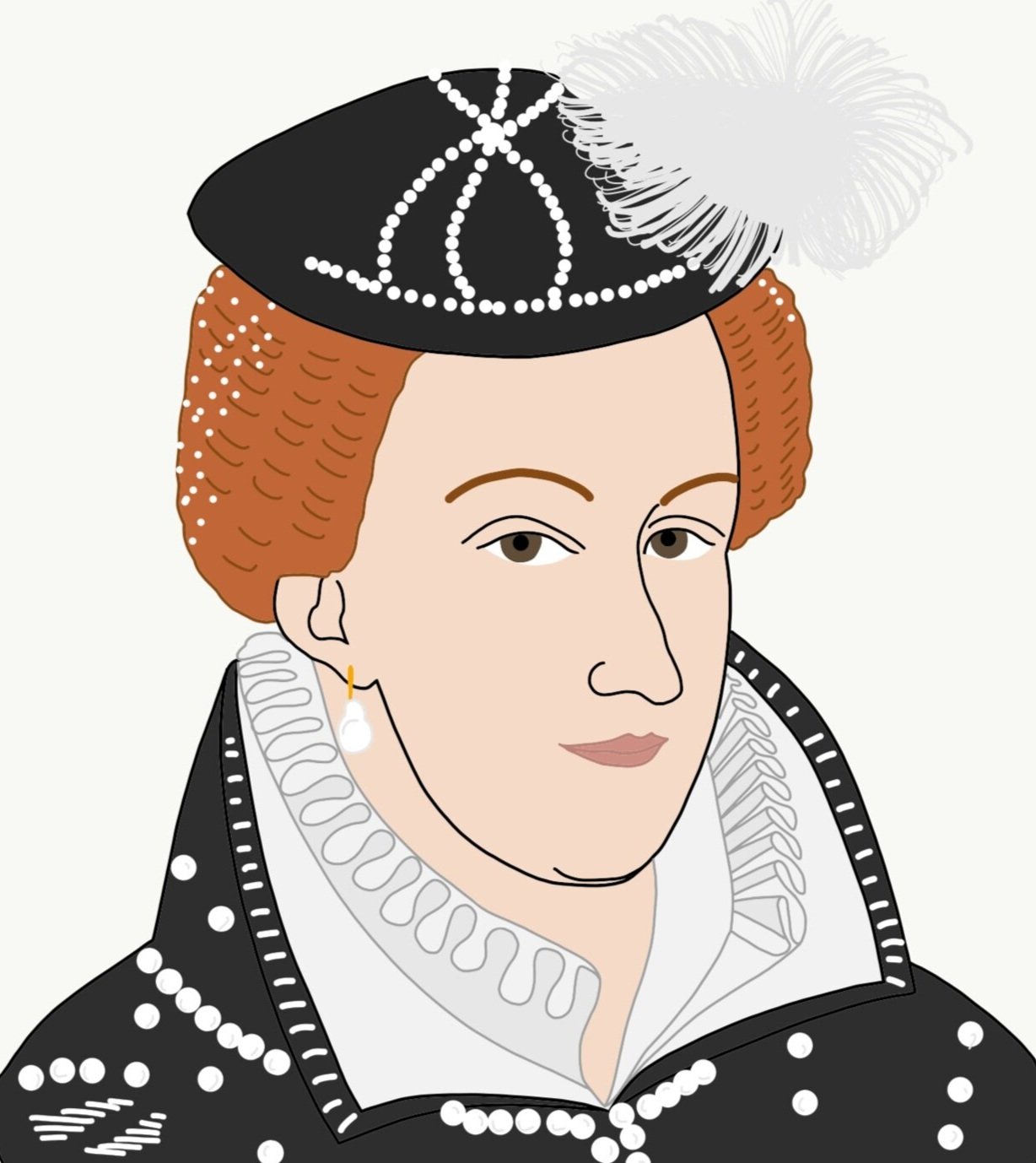
Queen of Scotland forced to abdicate
1567 - Mary Queen of Scots who was imprisoned in Lochleven Castle was forced to abdicate in favour of her 11-month-old son, James, who then became King James VI of Scotland. With the king being so young, Scotland was ruled by Lord James Stewart, Earl of Moray who was Mary’s half-brother.
1851 - Window tax was abolished in Britain after pressure from doctors and others who argued that lack of light was a source of ill health. The tax was introduced by King William III of England in 1696 and was a banded tax according to the number of windows in a house. Some properties such as cottages were exempt from the tax but the more windows you had, the more tax you had to pay to the government. People needed windows to let in as much light as possible because the only source of light other than daylight was the candle or oil lamp. To avoid paying the tax people began to brick up their windows, you can still see some properties in the UK with bricked up windows where glass windows once were.
1969 - Apollo 11 returned to Earth after its successful mission to the moon. It had blasted off into space on 16th July, nine days earlier and had carried the first men to walk on the moon.
On 25th July…
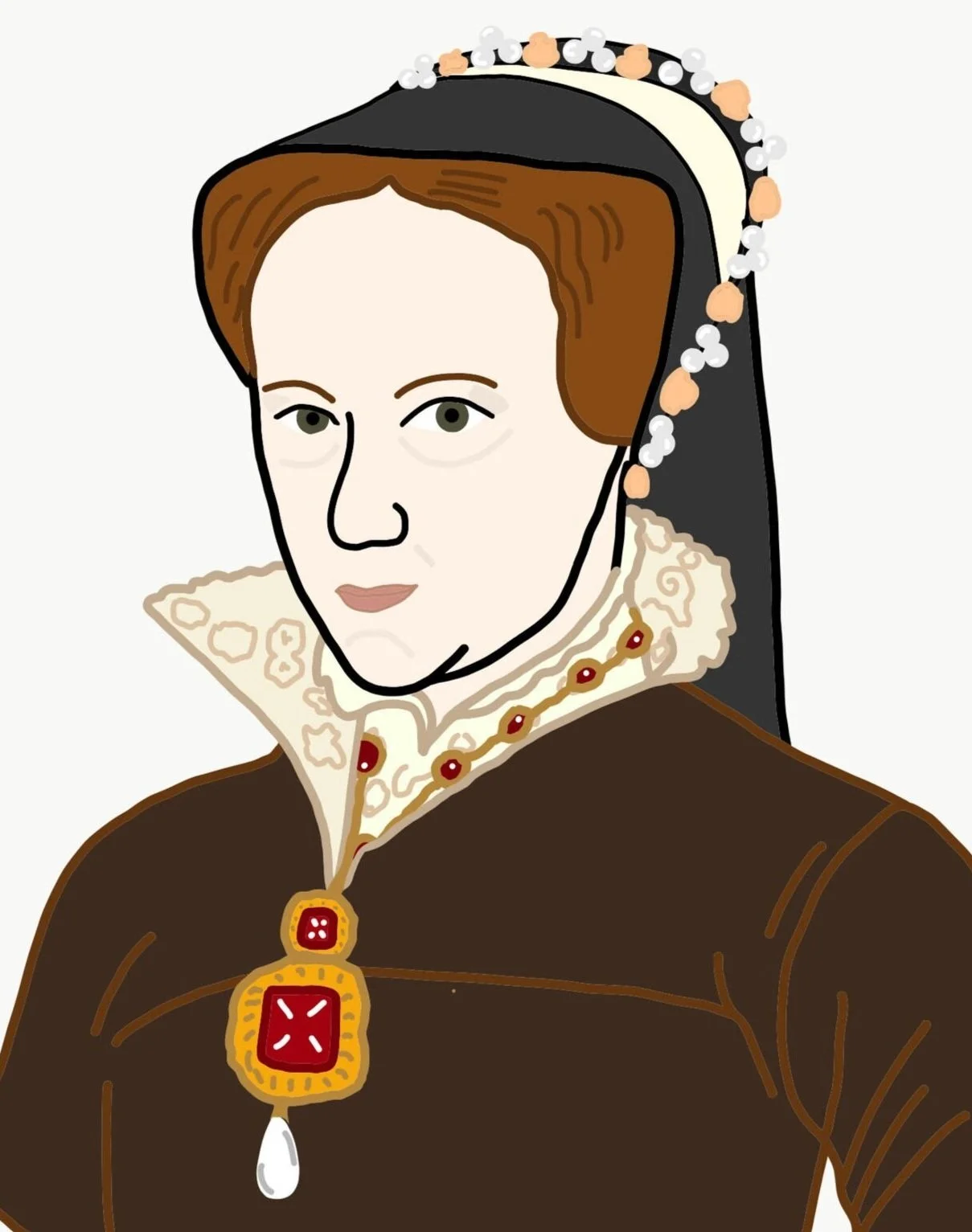
Queen Mary I married Prince Philip of Spain
1554 - Queen Mary I, the eldest daughter of Henry VIII, married Prince Philip of Spain at Winchester Cathedral. Mary was ten years older than Philip and the marriage was not a happy one. They never had any children and Philip spent most of his time abroad.
1920 - Rosalind Franklin, a British scientist and the co-discoverer of the structure of DNA was born in London.
On 26th July…
796 - King Offa of Mercia, a powerful Anglo-Saxon king, died. He is famous for introducing coins bearing the king’s name and title and for the construction of Offa’s Dyke. The dyke is an earth wall and ditch barrier which ran for 140 miles along the borders of England and Wales built as a means of stopping the Welsh from raiding his lands.
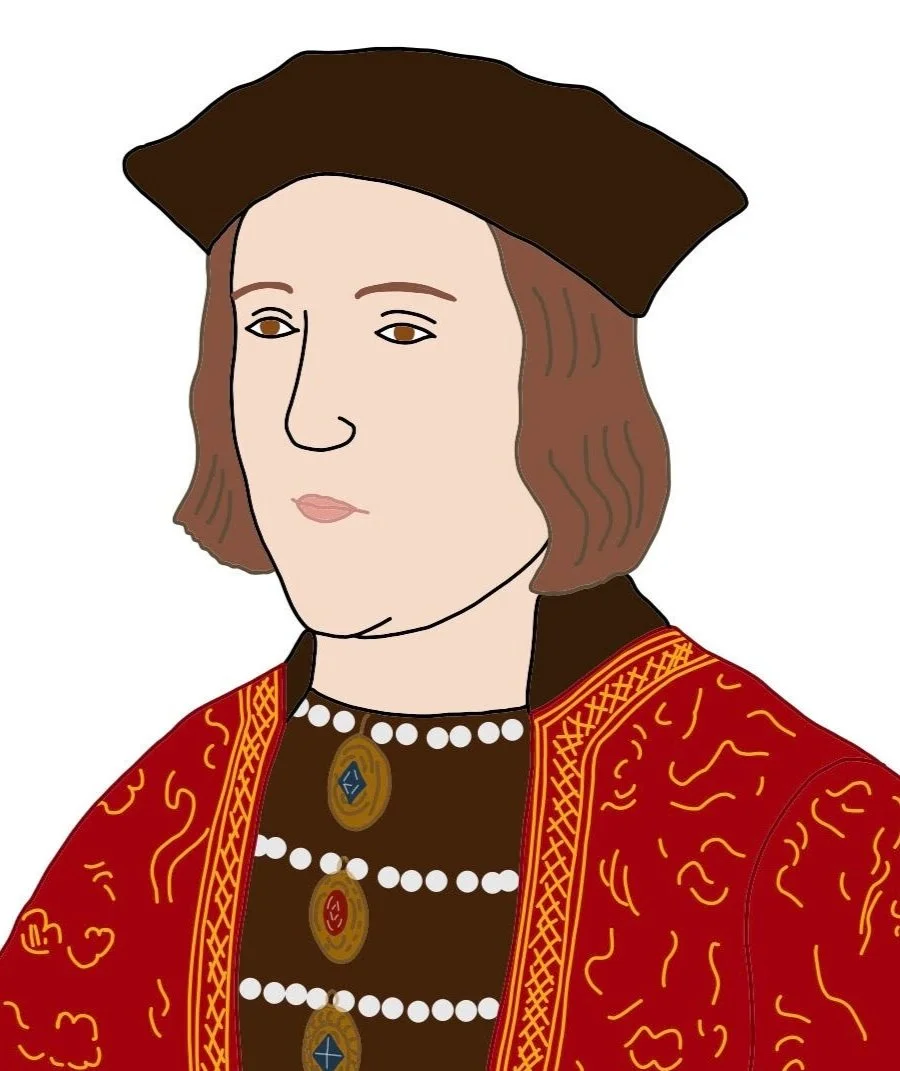
King Edward IV defeated at Edgecote Moor
1469 - The Battle of Edgecote Moor took place during the Wars of the Roses between the Earl of Warwick (Richard Neville) and King Edward IV. The Lancastrian forces led by Richard Neville, Earl of Warwick (also known as the Kingmaker) defeated Edward’s Yorkist troops. Shortly after they captured King Edward IV; the king was held captive for only a short time before being released. Richard Neville
was formally a friend and ally of King Edward IV, and as the saying goes - ‘With friends like that, who needs enemies?’
On 27th July…
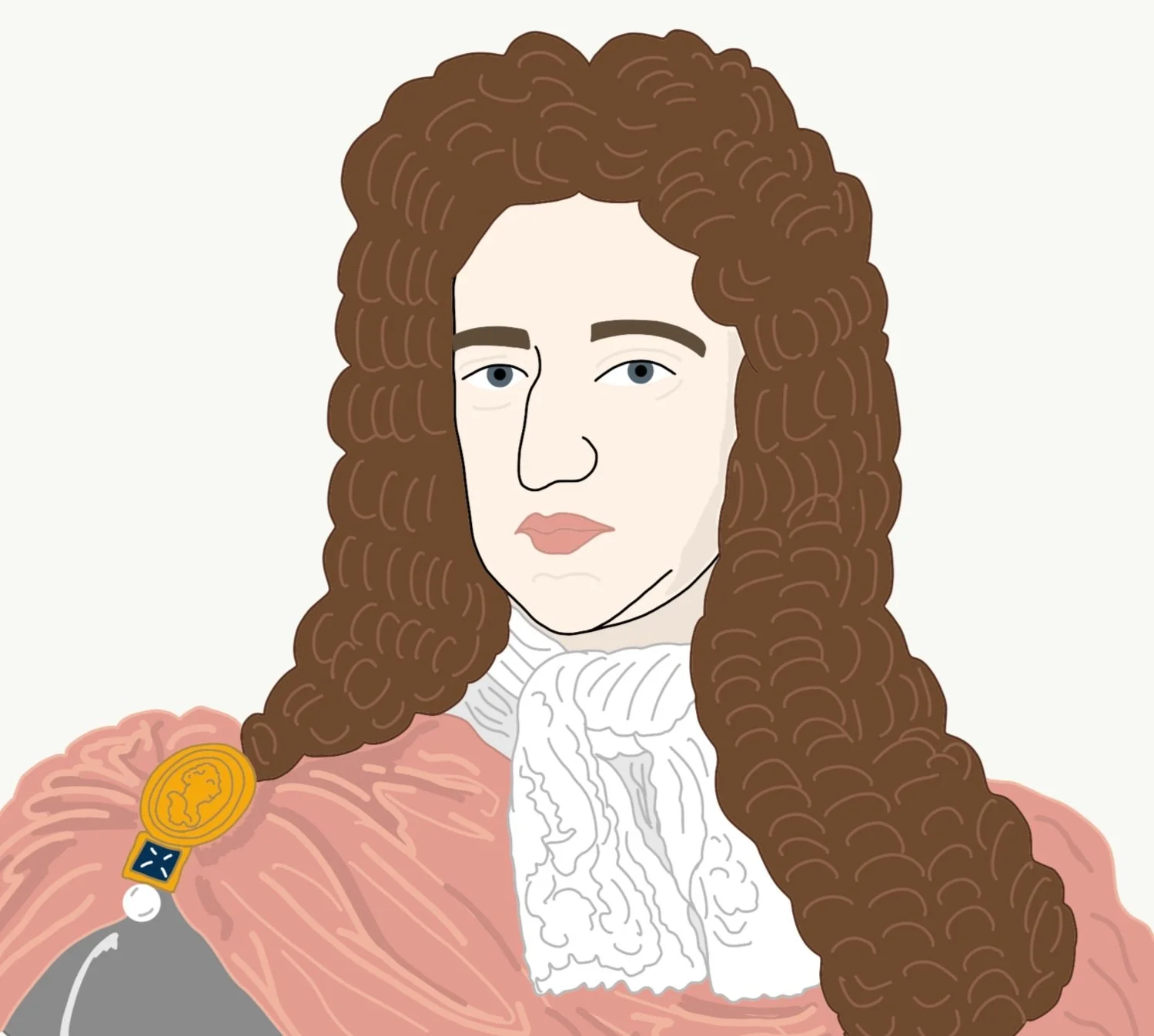
King William III defeated by Jacobites at the Battle of Killicrankie
1689 - Battle of Killicrankie saw the Scottish Jacobite Highlanders in support of the deposed catholic King James VII and II defeat the troops supporting the protestant King William III of England and Scotland (also known as William of Orange). William was married to King James VII and II’s daughter Mary; both he and his wife had been asked to take the English and Scottish throne when James VII and II was ousted because of his devout religious standing. In other words he had become too Catholic. England welcomed William and Mary with open arms but there were tensions and bloodshed in both Scotland and Ireland following their ascension to the throne.