June 9th - 15th
On 9th June…
68CE - The Roman Emperor Nero committed suicide to evade execution by flogging. He was emperor at the same time as Queen Boudicca’s uprising in Britain and is the man responsible for Rome being rebuilt in the style of Ancient Greece following the Great Fire of Rome. Nero was extremely extravagant; spending money on things that were not necessary. He was also a great lover of the arts, theatre and poetry. Nero fell foul of the Roman Senate and the Praetorian guard for many things, but it was made worse when he insisted on performing as an actor on stage instead of just ruling the Empire. He acted in roles the Senate deemed beneath him, not just as an Emperor, king, or man of authority but as characters from all walks of life including beggars.
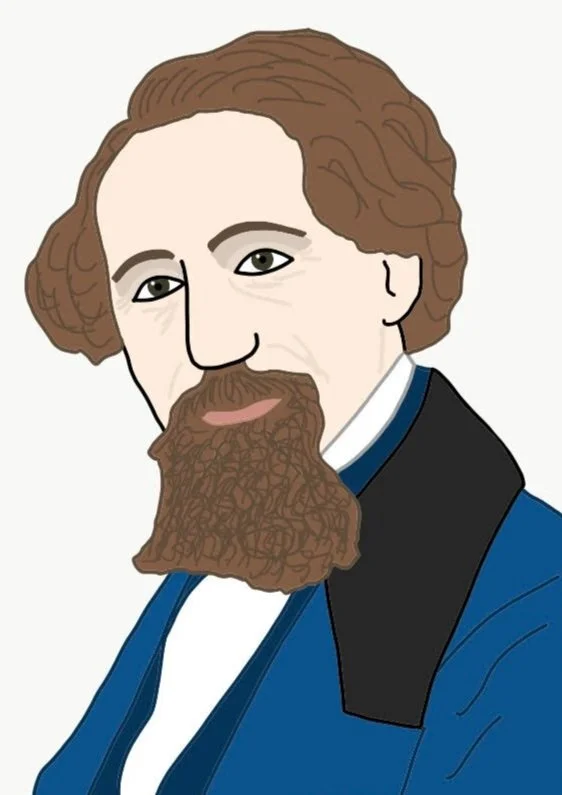
Death of Charles Dickens
1870 - Charles Dickens, the famous British author died. Some of his famous books include Oliver Twist and A Christmas Carol.
On 10th June…
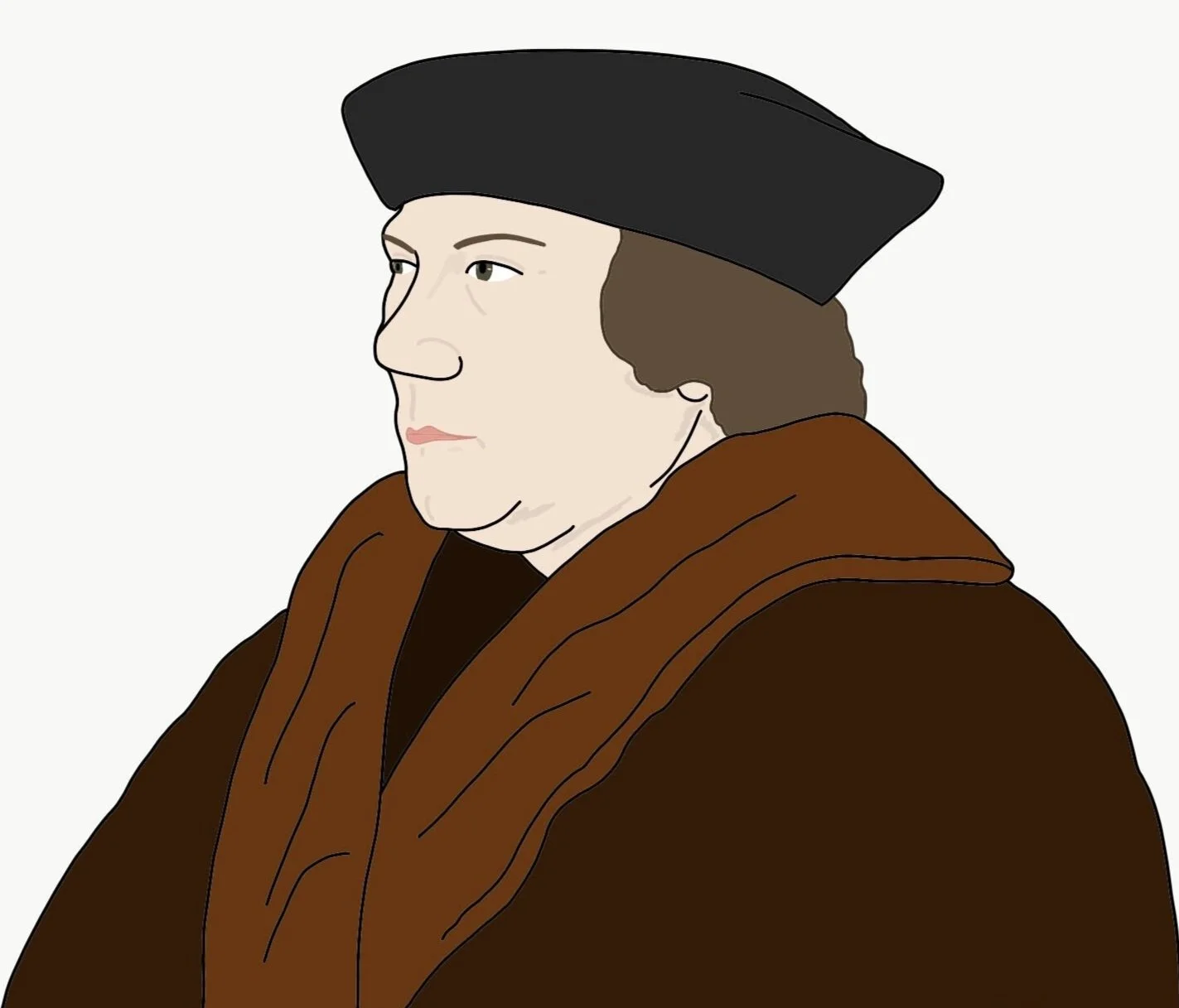
Thomas Cromwell was arrested
1540 - Thomas Cromwell, Henry VIII’s trusted advisor, was arrested for treason and heresy (heresy is having different religious beliefs) and taken to the Tower of London.
1921 - Prince Philip, the Duke of Edinburgh and husband to Queen Elizabeth II and father to King Charles III, was born on the Greek island of Corfu.
On 11th June…
1488 - King James III of Scotland was murdered by rebellious Scottish nobles who were tired of his favouritism and poor management. He was replaced by his 15-year-old son, King James IV, who was among the rebels. Despite his inadequate ruling, King James III is responsible for Scotland increasing its lands and gaining control of both the Orkney and Shetland islands through his Danish wife’s dowry which could not be paid in full.
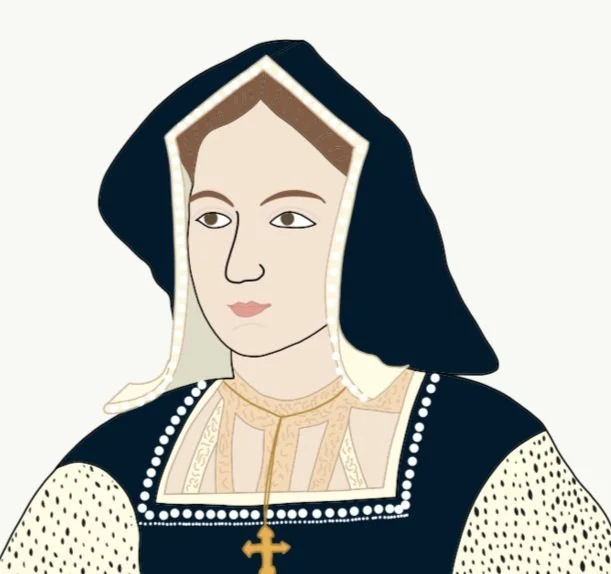
Catherine of Aragon married Henry VIII
1509 - Henry VIII married his first wife, Catherine of Aragon. Catherine was the widow of Henry’s older brother Arthur who had died in 1502. Despite years of trying, and giving Henry a daughter, Catherine was unable to give Henry a son which displeased the king. To better his chances of getting a male heir Henry wanted to marry Anne Boleyn; so he applied to the Pope in Rome for a divorce from Catherine. The Pope refused to grant a divorce, so Henry broke England away from the Catholic church of Rome, declared himself Supreme Head of the Church of England and divorced Catherine anyway.
On 12th June…
918 - Lady Aethelflaed of Mercia died. She was the eldest daughter of King Alfred the Great, and against all odds, because it was unheard of for women to rule at that time, she became the sole leader of Mercia when her husband King Aethelred died.
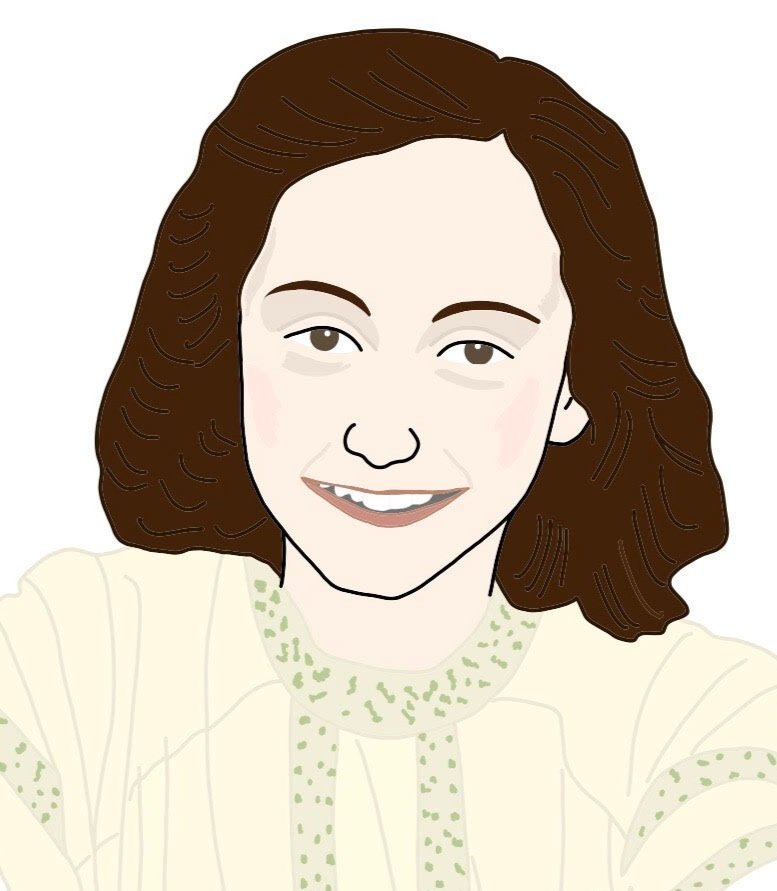
Anne Frank’s 13th birthday
1942 - Anne Frank received a diary for her 13th birthday. Shortly afterwards, her family had to go into hiding from the Nazis. For two years they hid in the loft of a house in Amsterdam with four other families. Anne wrote regularly in her diary, until they were captured in 1944. The diary was found by friends who kept it safe until they could return it to her. Unfortunately, Anne died in February 1945, just before the war ended, but her father survived and published her diary which has been translated into more than 70 languages.
On 13th June…
323BCE - Alexander the Great died. He was a King of Ancient Greece who led his armies to victory throughout the Persian territories (modern day Iran), Syria and Egypt becoming not only leader of the Greeks, but also the overlord of Asia Minor and pharaoh of Egypt. Alexander founded over 70 cities, many of them being named after him. His empire stretched across three continents: eastwards from Greece to India and also south to Egypt. It covered around two million square miles.
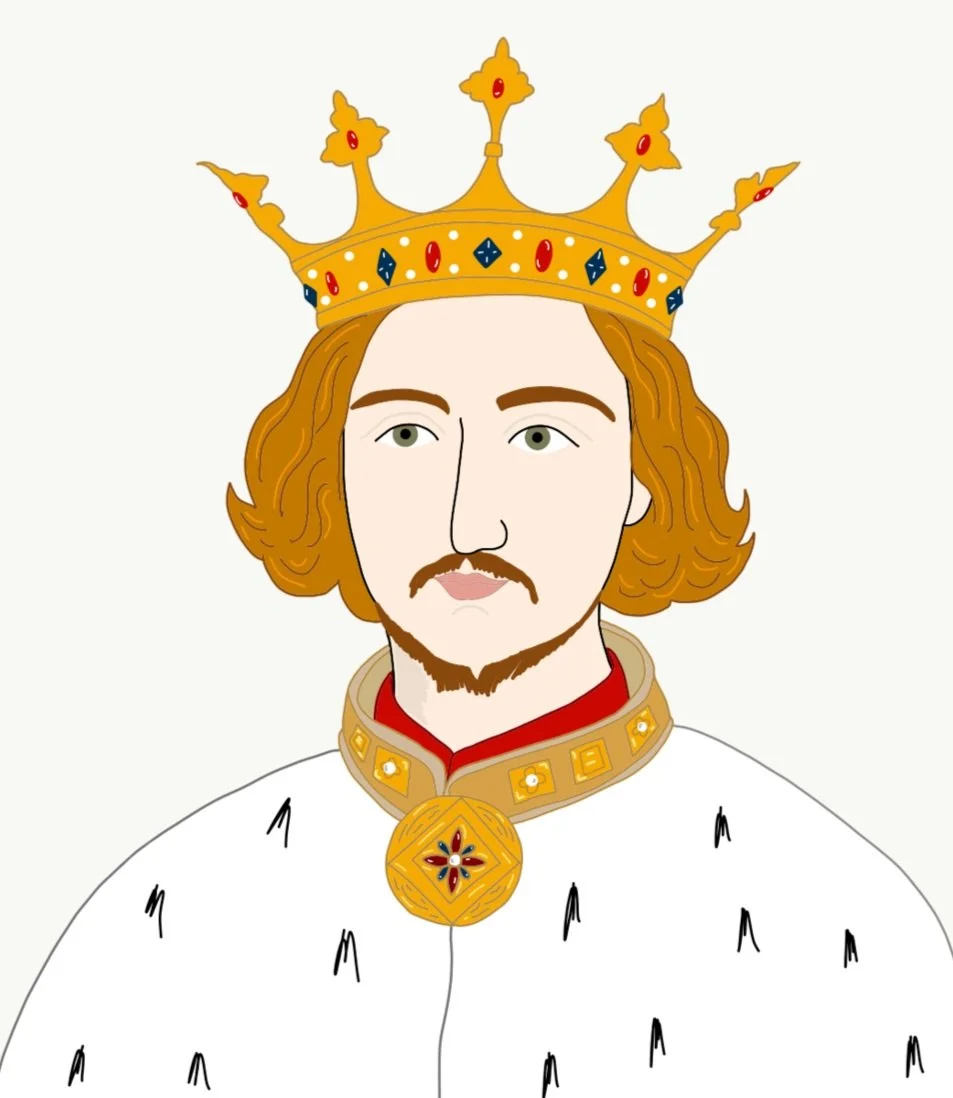
The Peasants’ Revolt
1381 - A large mob of peasants marched on London and demanded to see King Richard II. People were angry at Parliament’s resistance to make changes to society following the Black Death (Bubonic plague); they wanted the law changed. The Peasants’ Revolt had marched from Kent and Essex growing larger and larger as it passed each town and city, when they reached London they began burning and looting the city. The rebels from Kent were led by Wat Tyler who met with King Richard II (the king was only 14 years old at the time) and gave him a list of changes that the people wanted to happen; they wanted higher wages and for the poorer people to have more equality and more freedom. Wat Tyler was badly wounded during the revolt and taken to St Bart’s hospital in London, he was later killed on the orders of Sir William Walworth, the Lord Mayor of London. To begin with the king agreed to the terms to keep the peasants happy, but he later changed his mind and didn’t keep his promises. Over the next fifty years changes were made and many of the peasants’ demands were met e.g., they could choose who they married and could work where they pleased.
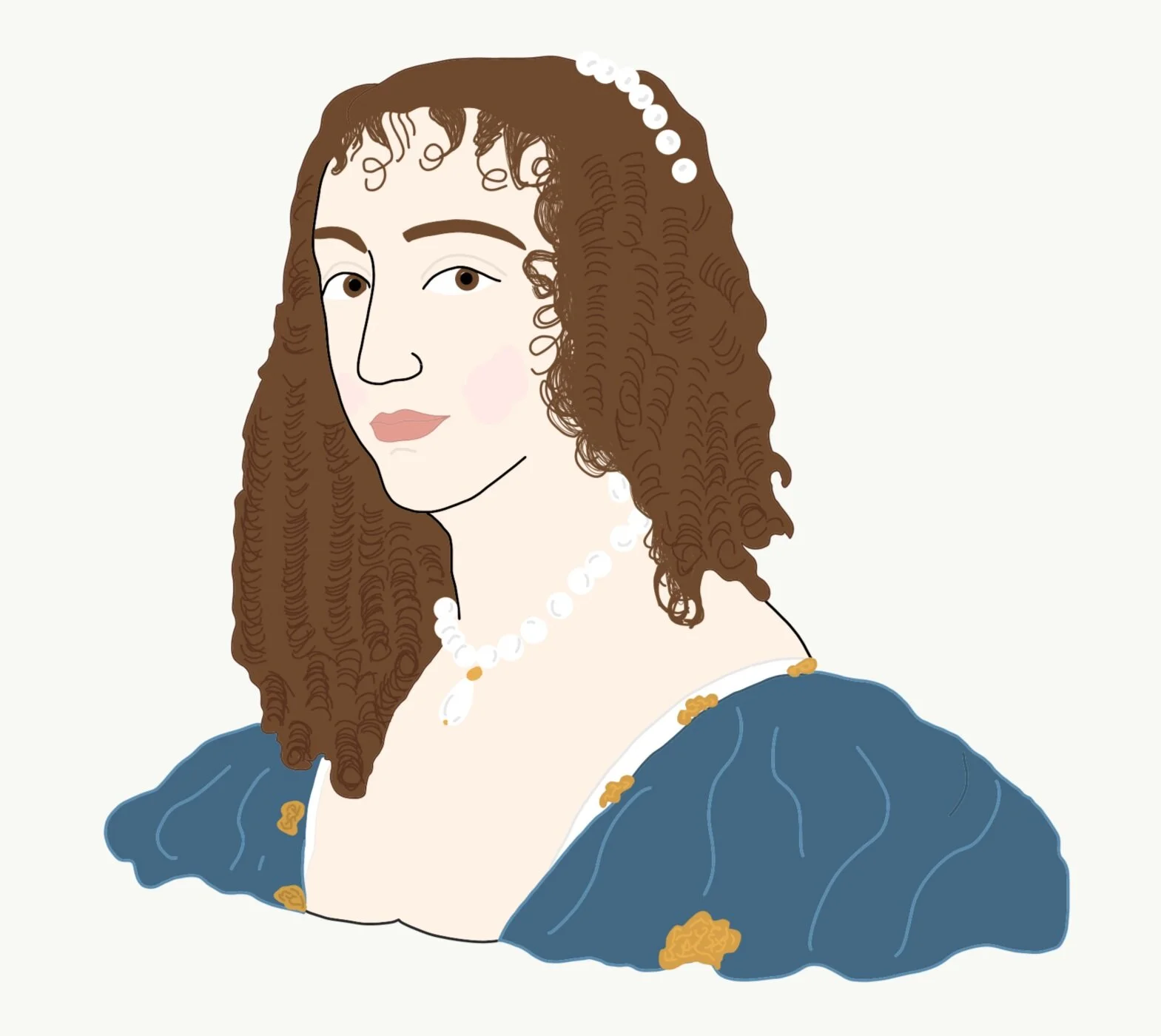
Wedding of Charles I and Henrietta Maria
1625 - King Charles I married the French princess, Henrietta Maria. Together they had 8 children, two of whom went on to become kings of England: Charles II and James I (of England) and VII (of Scotland).
On 14th June…
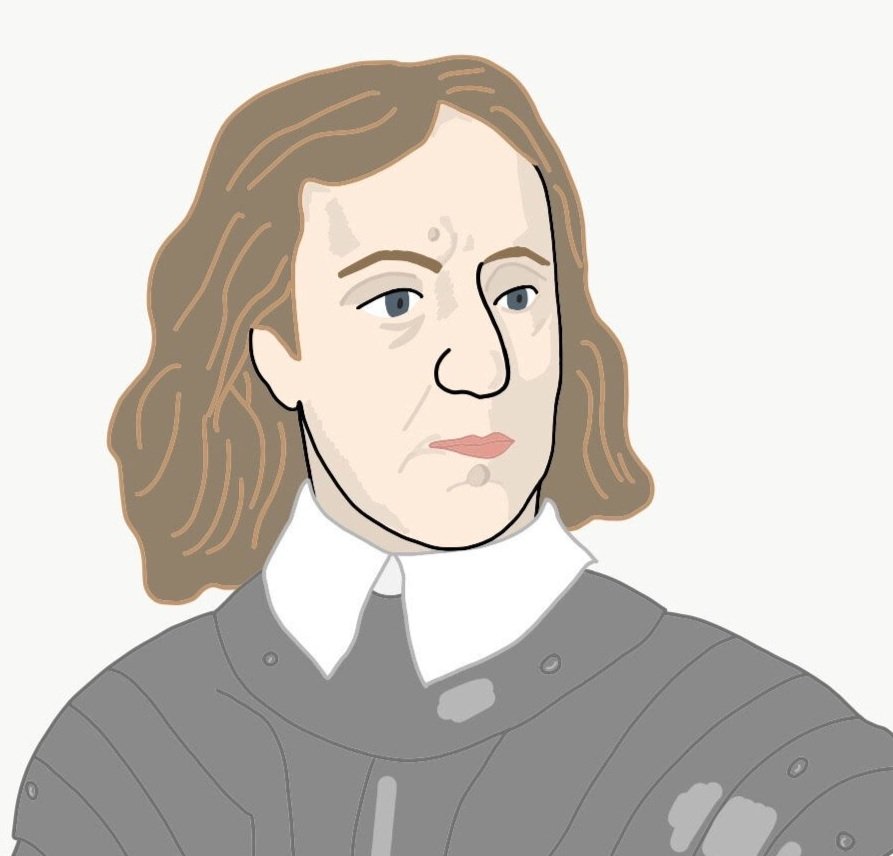
Oliver Cromwell won the Battle of Naseby
1645 - The royalist forces of the English Civil War were defeated at the Battle of Naseby by the parliamentarian ‘New Model Army’ led by Oliver Cromwell and Thomas Fairfax. This battle is considered one of the most important of the English Civil War.
1917 - The first German air attack on England during World War I killed over one hundred people in East London.
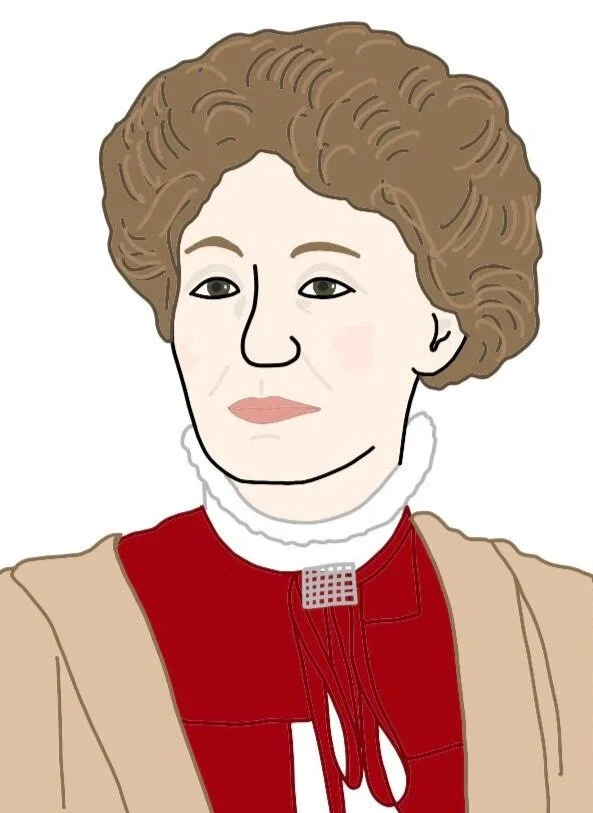
Death of Emmeline Pankhurst
1928 - Emmeline Pankhurst died. Emmeline was a political activist who founded the Women’s Social and Political Union which fought for women's right to vote. The members of the union were called suffragettes.
1982 - The Falklands War ended just 74 days after Argentinian forces invaded the islands. During the fighting 255 British servicemen and 655 Argentine servicemen lost their lives.
On 15th June…
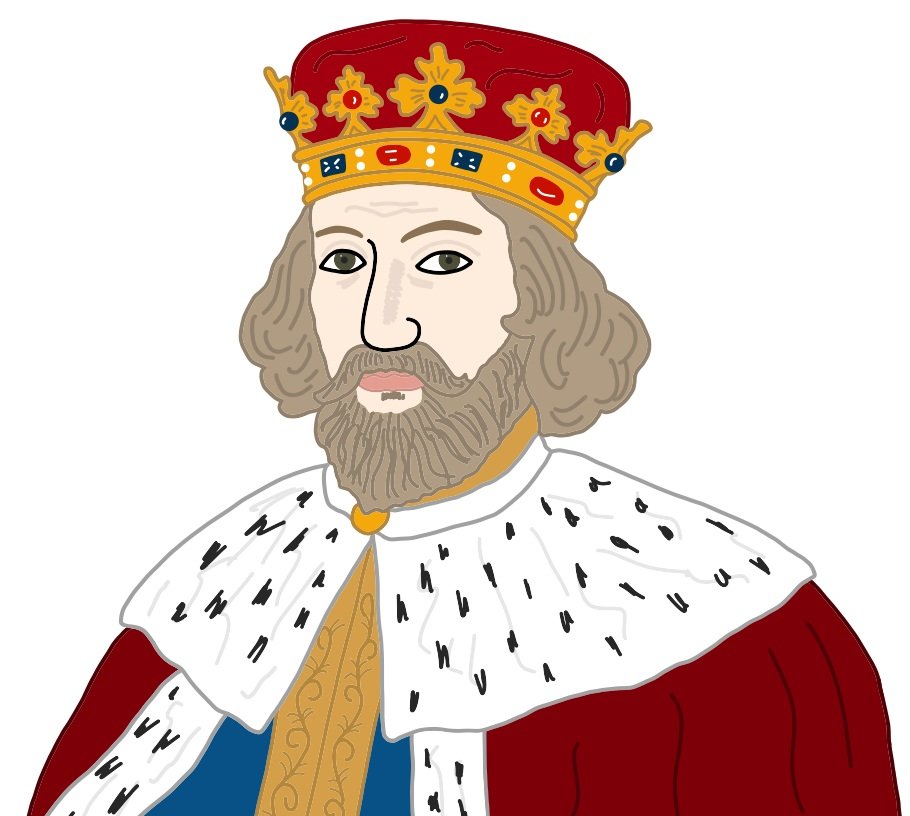
Signing of the Magna Carta
1215 - King John signed the Magna Carta at Runnymede. The Magna Carta was a document that implied there were laws that even the king had to abide by. It is seen as the beginning of democracy in England.