June 2nd - 8th
On 2nd June…
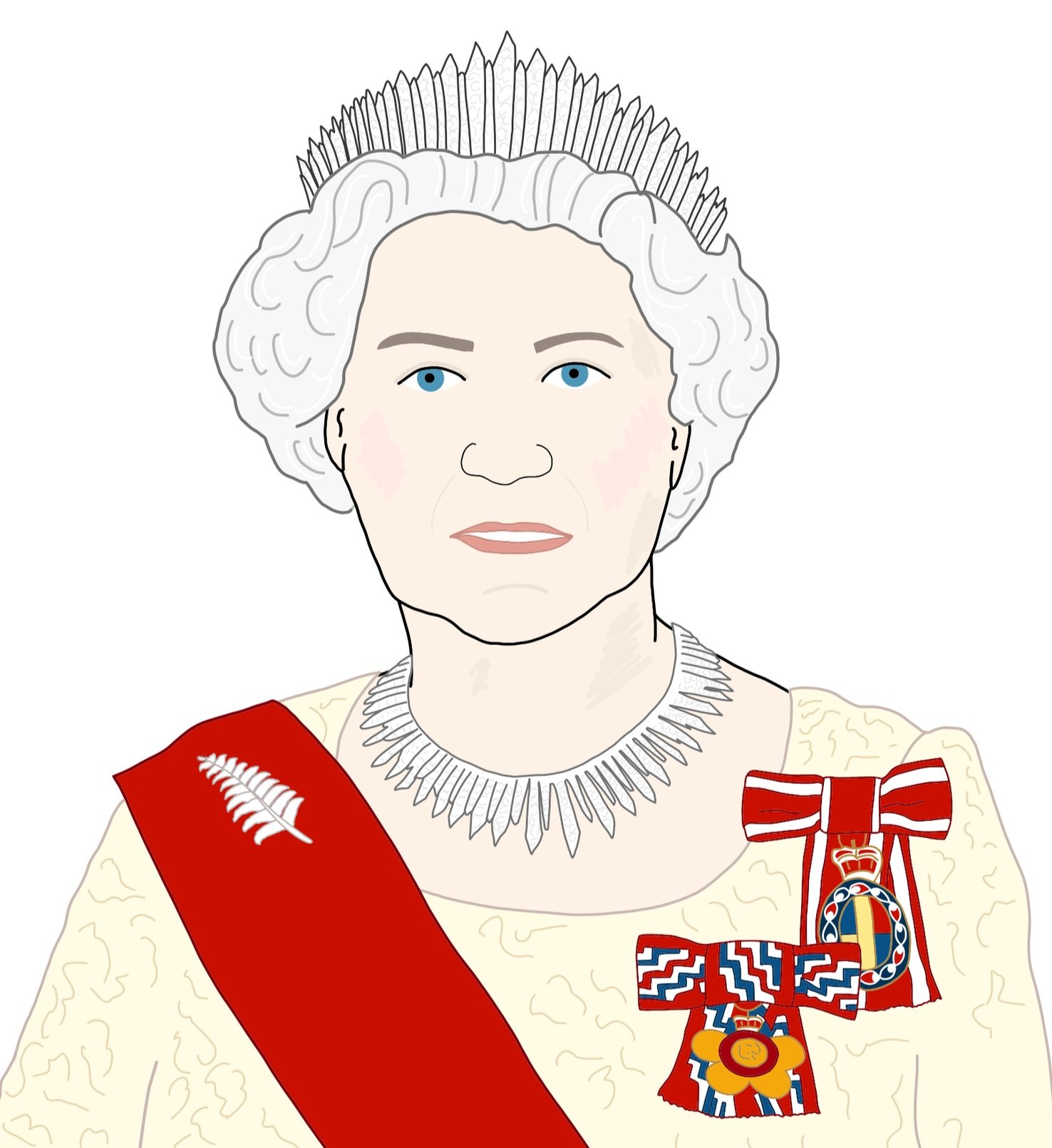
Coronation of Queen ELizabeth II
1953 - Queen Elizabeth II was crowned at Westminster Abbey. It was the first British coronation to be televised. Although the queen’s coronation was in 1953, she had been reigning since her father, King George VI, died in February 1952; by the time of her coronation Elizabeth had been queen for 16 months.
On 3rd June…
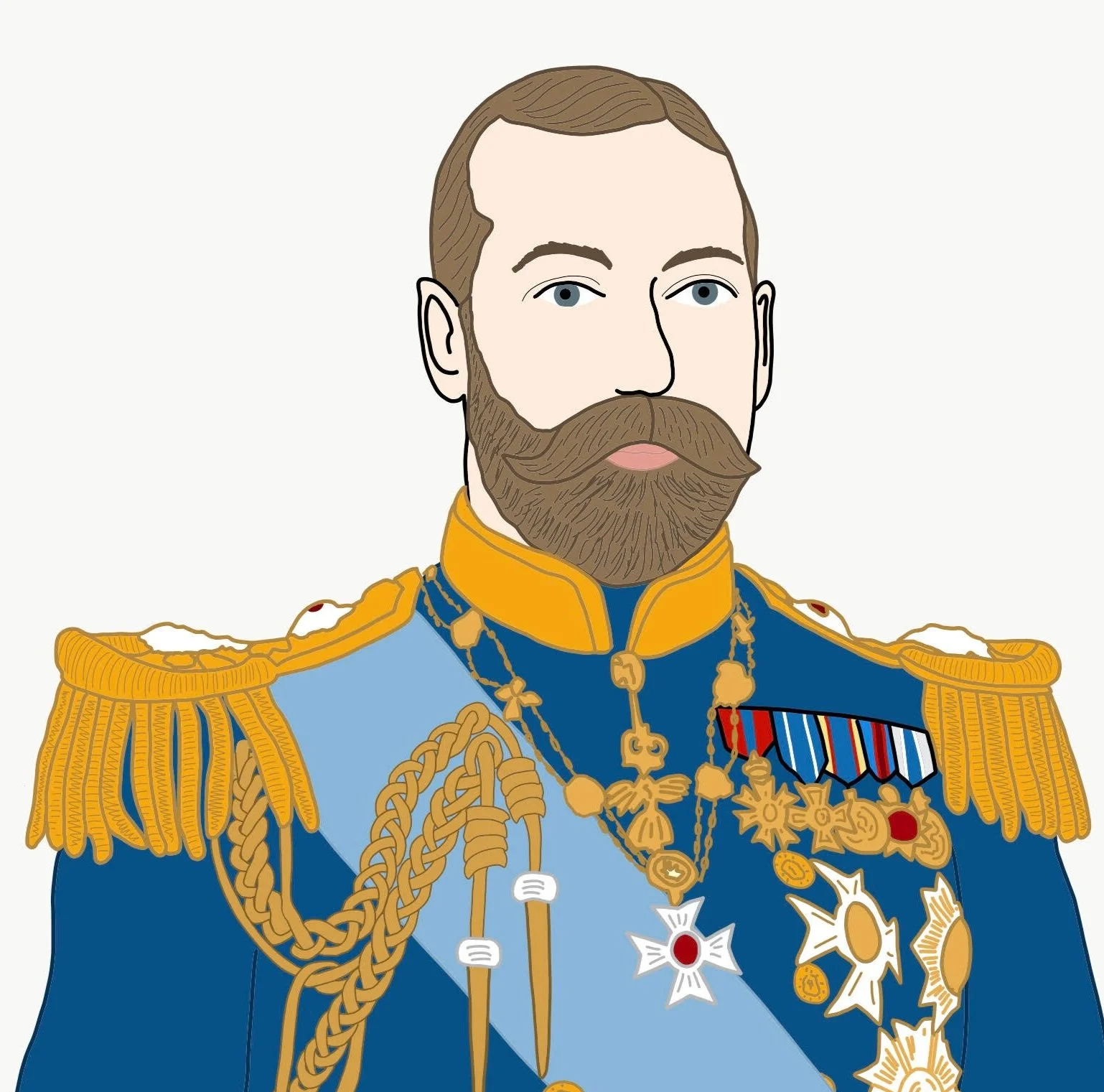
Birth of King George V
1865 - King George V was born in London. He came to the throne in 1910 and in response to the anti-German feelings of the British population during World War I, he changed the royal surname from the German sounding Saxe-Coburg-Gotha to the more English sounding surname of Windsor.
On 4th June…
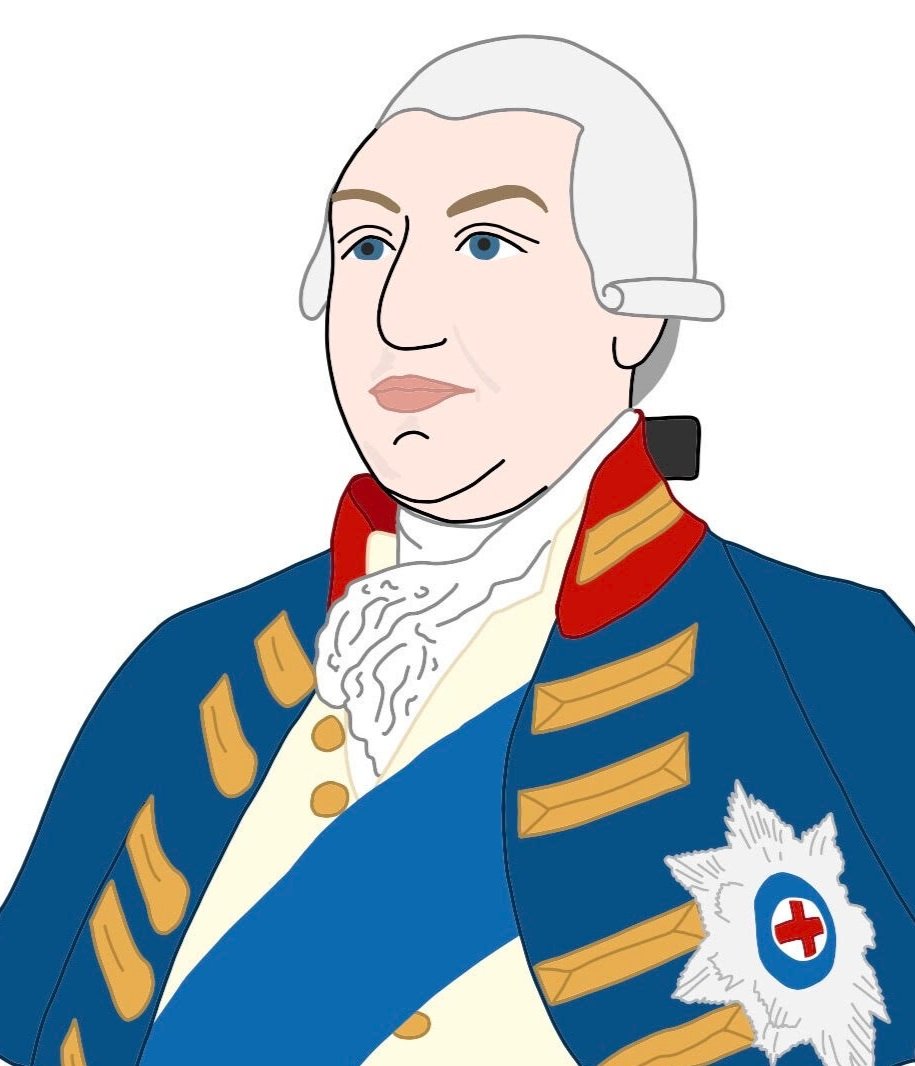
King George III was born
1738 - King George III was born in London. Despite being one of the most cultured of all British monarchs (he gathered a huge collection of books, 65,000 of which were later given to the British Museum), he is remembered most for going mad in the later years of his reign.
On 5th June…
1646 - Elena Cornaro Piscopia was born. She was an Italian mathematician, and became the first woman ever to receive an academic degree from a university.
On 6th June…
1944 - D-Day or Operation Overlord went ahead during World War II with over 155,000 Allied troops landing on the beaches of Normandy in what was to be a successful attempt at pushing back the Nazi forces and reclaiming France.
On 7th June…
1329 - Robert the Bruce, King of Scotland died. He is famous for defeating the English at the Battle of Bannockburn and re-establishing an independent Scottish monarchy.

Henry VIII and the Cloth of Gold
1520 - Henry VIII and King Francois I of France began their meetings at the ‘Field of the Cloth of Gold’ in France in an effort to improve relations between England and France. It was the start of eighteen days of feasts, tournaments, masquerades and religious services. The event is captured in a painting most probably painted for Henry VIII himself.
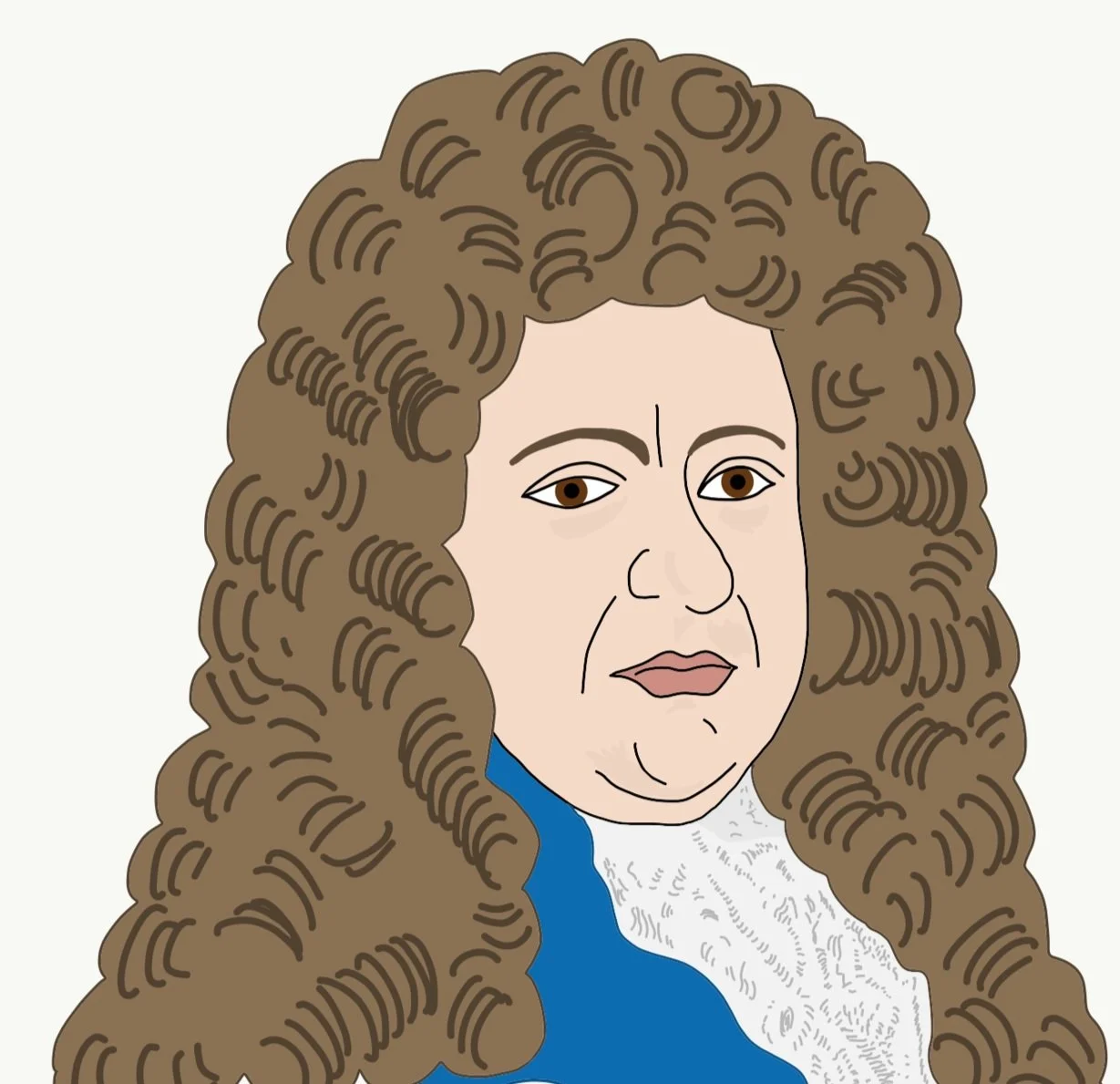
Samuel Pepys and the Great Plague
1665 - Samuel Pepys wrote in his diary about the Great Plague noting that there were some houses of Drury Lane marked with a red cross. This meant that somebody living there had caught the plague and had to be locked inside for 40 days or until death.
On 8th June…
632 - Muhammed, the founder of Islam, died in the arms of his third wife Aisha.
793 - The Vikings invaded St Cuthbert’s monastery on the island of Lindisfarne off the north-east coast of England. They ransacked the monastery for treasure and killed, or took as slaves, all the monks living there. This is often quoted as the first Viking attack on the English mainland but an earlier record in 787 states that the Vikings had attacked and killed a local leader in Wessex when he went to take them to the king.
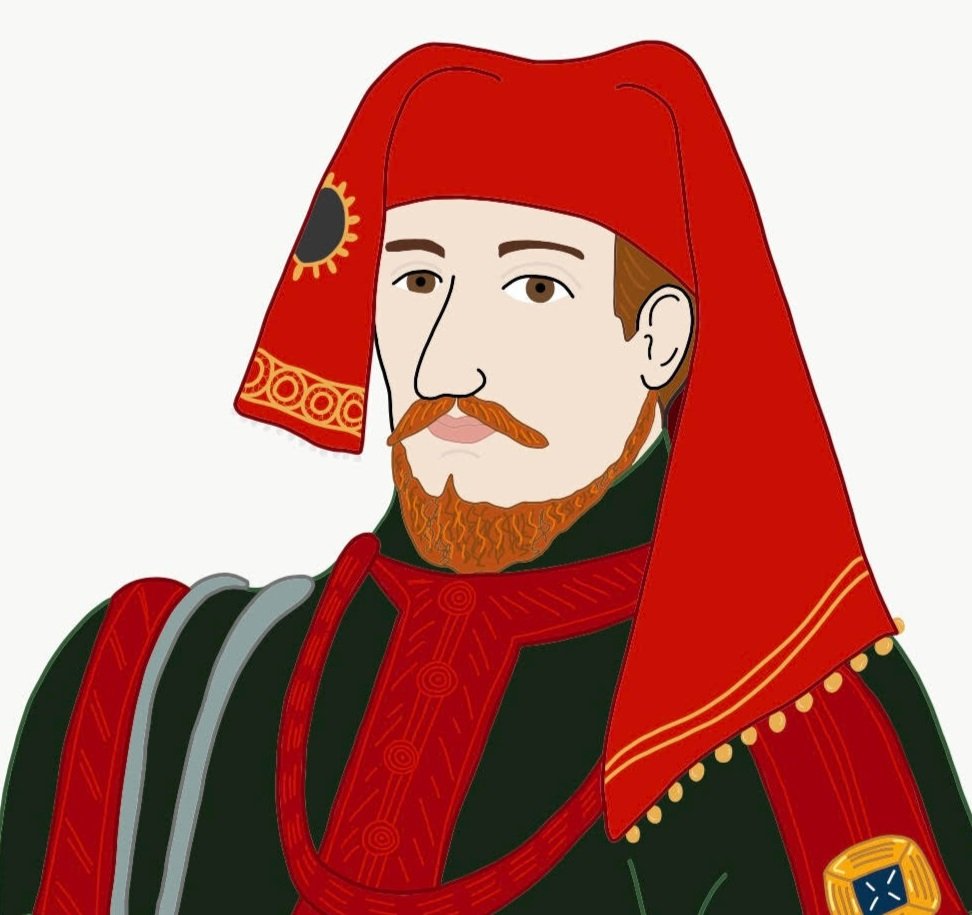
Henry VI executed the Archbishop of York
1405 - The Archbishop of York, Richard Scrope, and the Earl of Norfolk, Thomas Mowbray, were executed for treason under the order of King Henry IV. They were guilty of plotting a rebellion against the king. It was not long after the execution of the Archbishop that King Henry started to suffer from mysterious illnesses, people whispered that it was because he had executed a mand of the Church.