June 30th - July 6th
On 30th June…
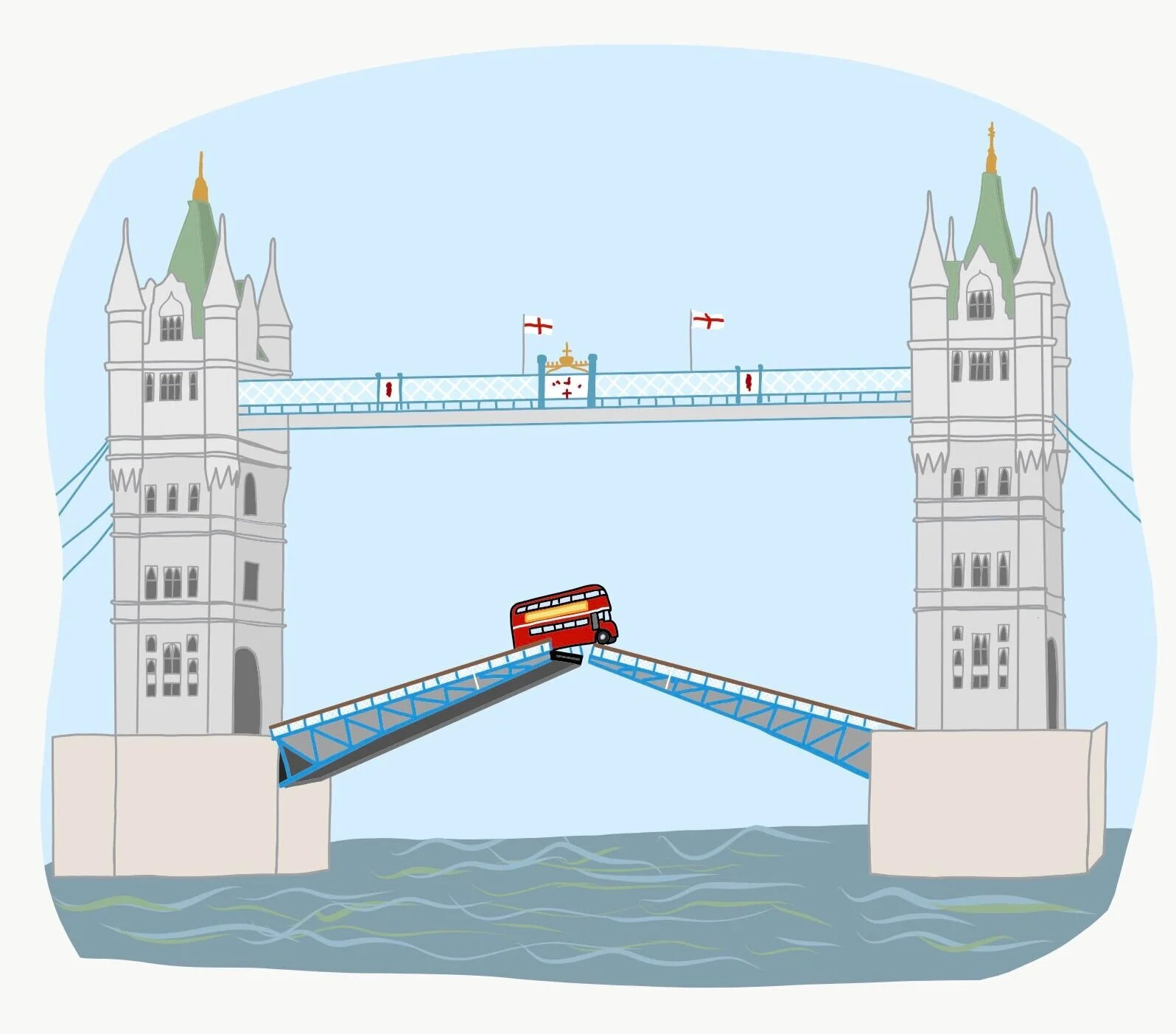
Tower Bridge opened for the first time
1894 - Tower Bridge across the River Thames opened for the first time. The bridge opens for large sailing vessels to travel up the Thames into London. Did you know that in 1952 a number 78 London bus had to leap from one part of the bridge to the other when the bridge began to open?
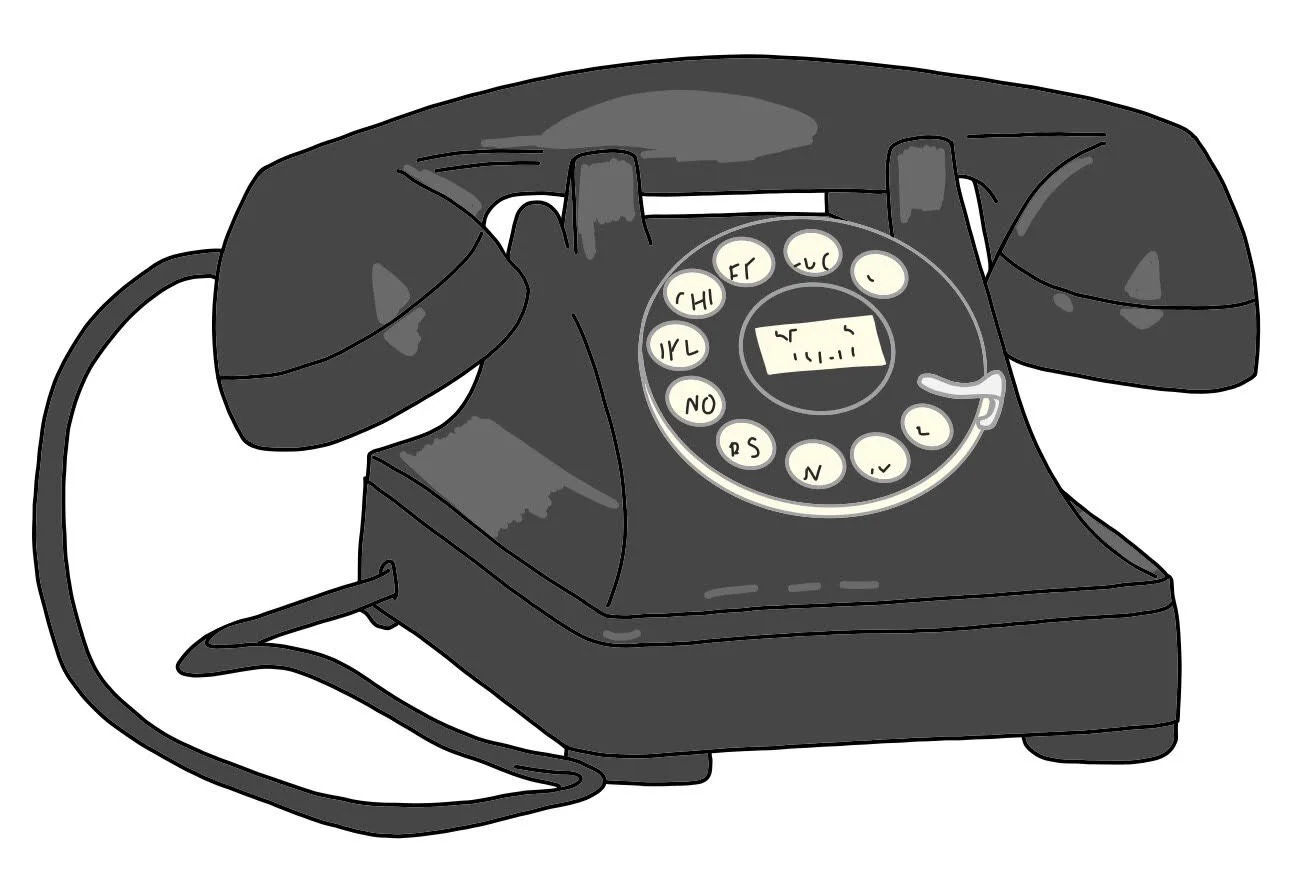
999 came into use
1937 - The world’s first emergency telephone service was launched in London. The emergency number to call for police, fire or ambulance was 999. To begin with, this only covered a 12-mile radius around Oxford Circus in London, but was gradually incorporated throughout the UK.
On 1st July…
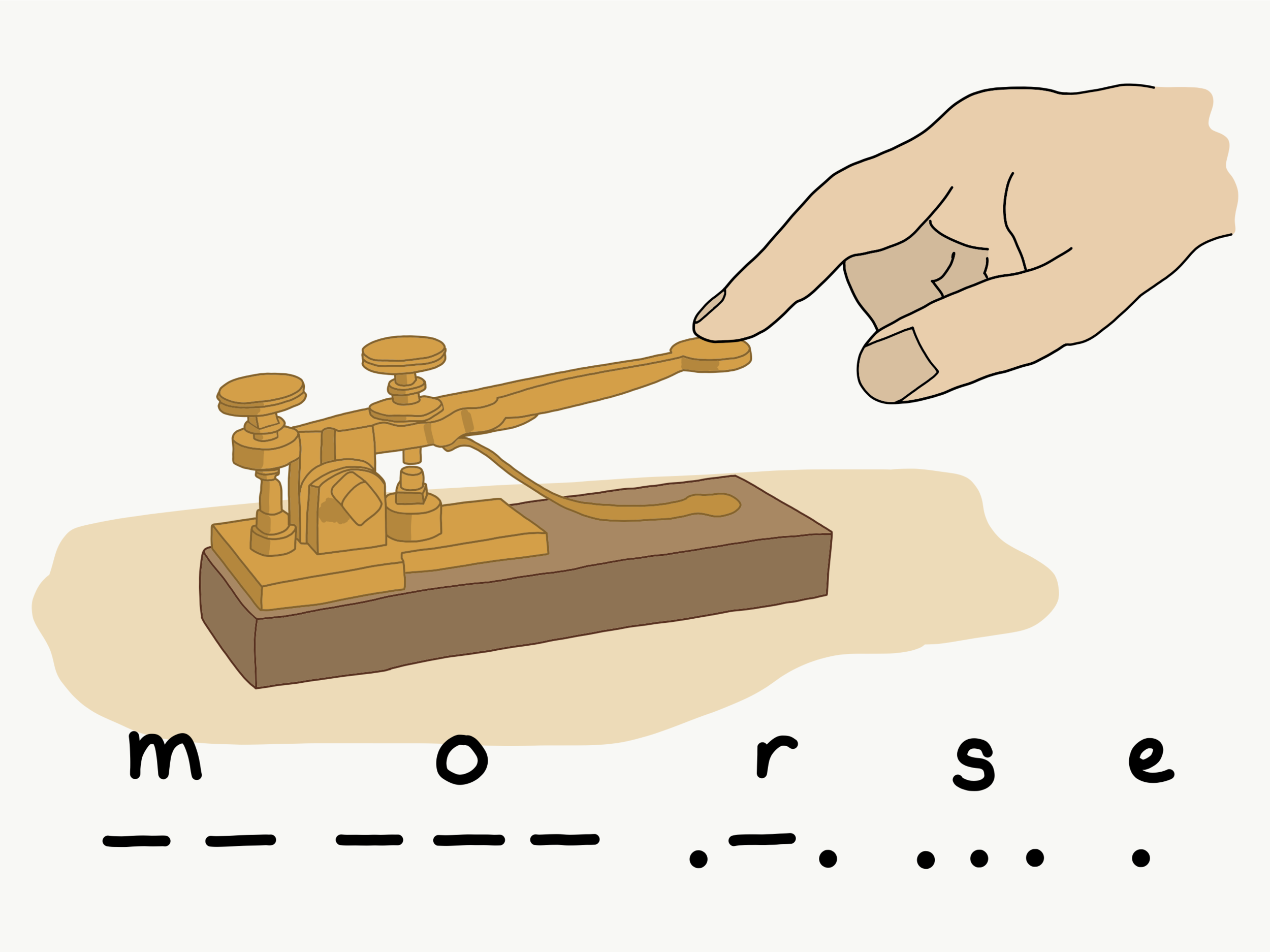
SOS became the international distress signal
1908 - SOS which in morse code is . . . - - - . . . (dot dot dot, dash dash dash, dot dot dot) became the international distress signal for those who need help. This was chosen because it was not likely to be misheard or mistaken for anything else when being interpreted. Despite technological advances in telecommunications, this system can still be used and understood worldwide if you’re unable to use a mobile or radio - simply flash the code using a torch or tap it out on something if you are trapped under debris.
1916 - The first day of five months of fighting began at the Battle of the Somme in World War I. On this day 19,240 British soldiers lost their lives with another 38,230 injured. Over a million men from both sides became casualties from this battle which lasted for five months. In the week leading up to the main offensive 1,700,000 artillery shells were fired at the German lines, that’s nearly 170 every minute, of every hour, of every day in that one week. Unbeknownst to the Allies the shells had done little damage to the German troops who opened fire when the Allies started to openly advance over the top of the trenches and into no-man’s-land towards them.
On 2nd July…
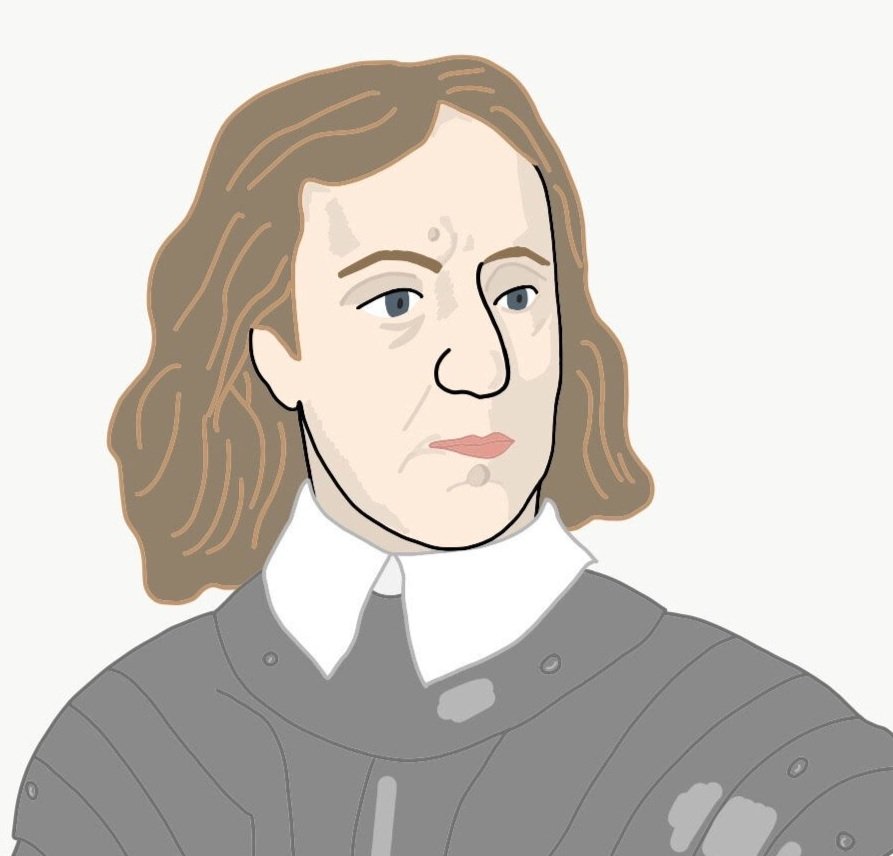
Battle of Marston Moor
1644 - During the English civil war, the Battle of Marston Moor took place in Yorkshire between the royalist forces of King Charles I and the parliamentarian forces led by Oliver Cromwell. This battle was the first victory for the ‘Roundheads’ or parliamentary forces who would later go on to win the civil war after nine years of fighting.
1819 - The Cotton Mills Act (1819) came into force making it illegal for children under the age of 9 to work in textile factories and those under the age of 16 were only allowed to work a 12-hour day. Enforcing this law was not easy and many factory owners continued to employ young children.
1928 - The Representation of the People Act (1928) came into force giving women over the age of 21, equal voting rights to men. This happened just 17 days after the death of Emmeline Pankhurst who had led the suffragettes in the fight for the rights of women to vote.
On 3rd July…

Demonstration of colour television
1928 - John Logie Baird, a Scottish engineer and inventor of the television, demonstrated colour television in London. It wasn’t until 1st July, 1967 nearly forty years later, that Britain would launch Europe’s first colour television service when BBC2 aired the Wimbledon Tennis Championships using colour.
On 4th July…
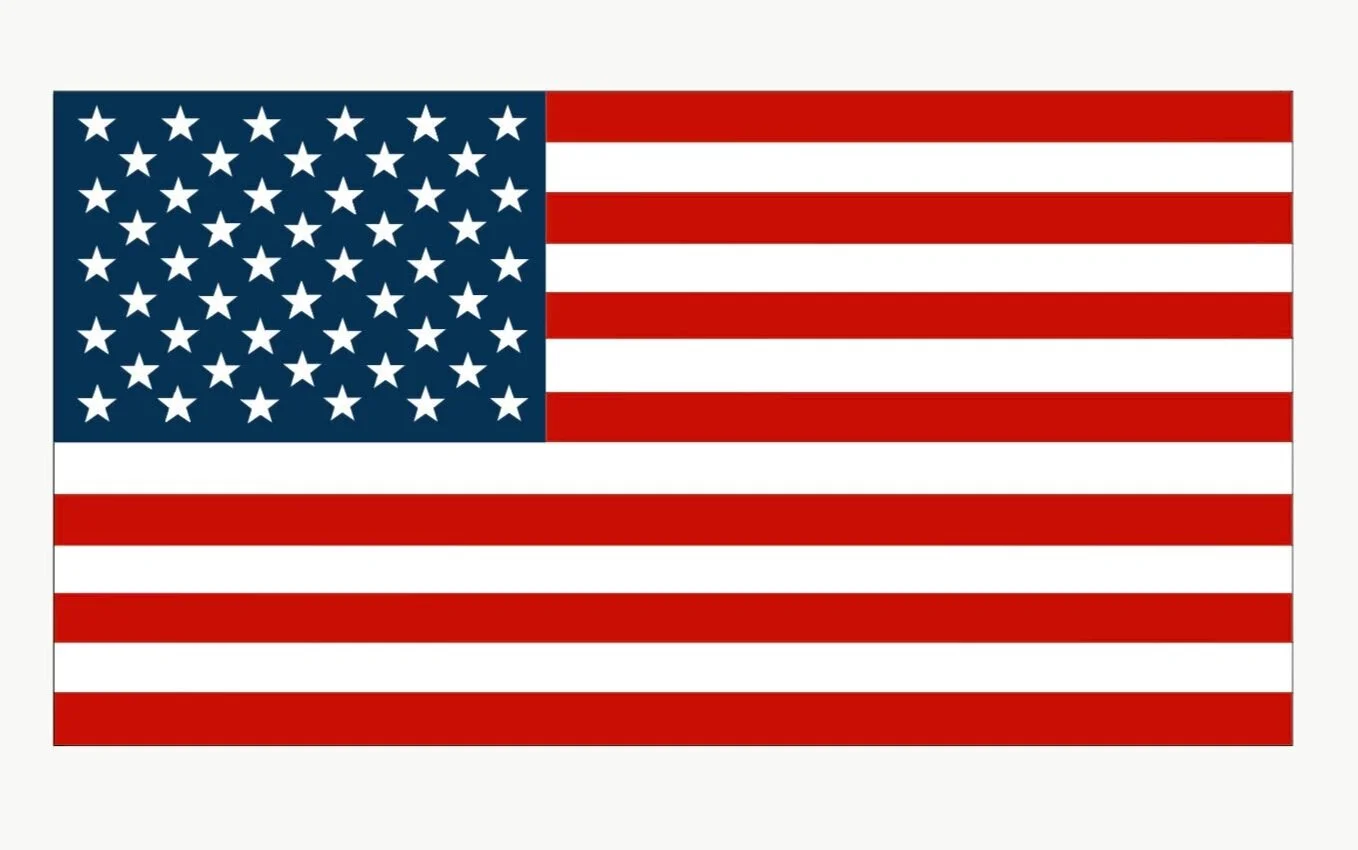
America declared independence
1776 - The United States of America proclaimed independence from Britain with the Declaration of Independence. Every year on this day Americans around the world celebrate American Independence Day or ‘the Fourth of July’ as it is commonly called. It took another seven years (1783) for the United States of America to be formally independent of Britain.
On 5th July…
First successful cloning of a mammal
1996 - The world’s first cloned mammal, Dolly the sheep was born in Scotland at the Roslin Institute which is a part of Edinburgh University. She was cloned using cells taken from another sheep.

Opening of The Shard
2012 - The Shard which was the tallest building in Europe at the time was formally opened in London; there are now four buildings in Russia that are taller. The Shard stands at 309.6m tall and is 95 storeys high and is still the tallest building in the UK. Did you know that there are 36 lifts in the Shard? Some of them travel at up to 6m per second.
On 6th July…
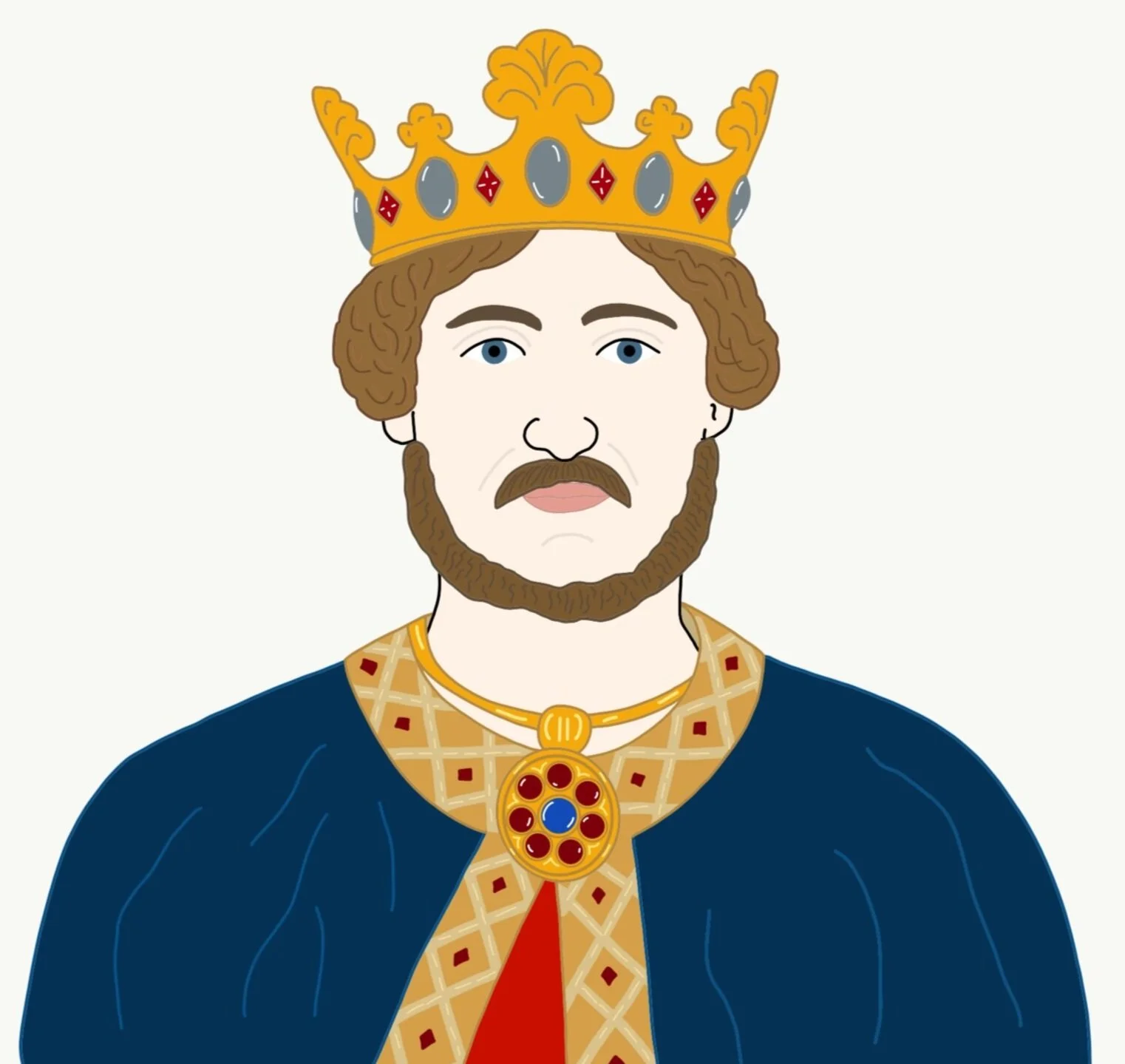
Richard the Lionheart became King
1189 - Richard the Lionheart became King Richard I of England when his father, Henry II, died. Richard only spent six months of his ten year reign in England, most of the time he was abroad fighting in the Crusades or being held prisoner.
1249 - King Alexander II of Scotland died. He was the only Scottish monarch to take a military force down to England’s southern coast when he marched to join a rebellion against King John of England.
1535 - Sir Thomas More was executed at the Tower of London for refusing to accept Henry VIII as Supreme Head of the Church of England.
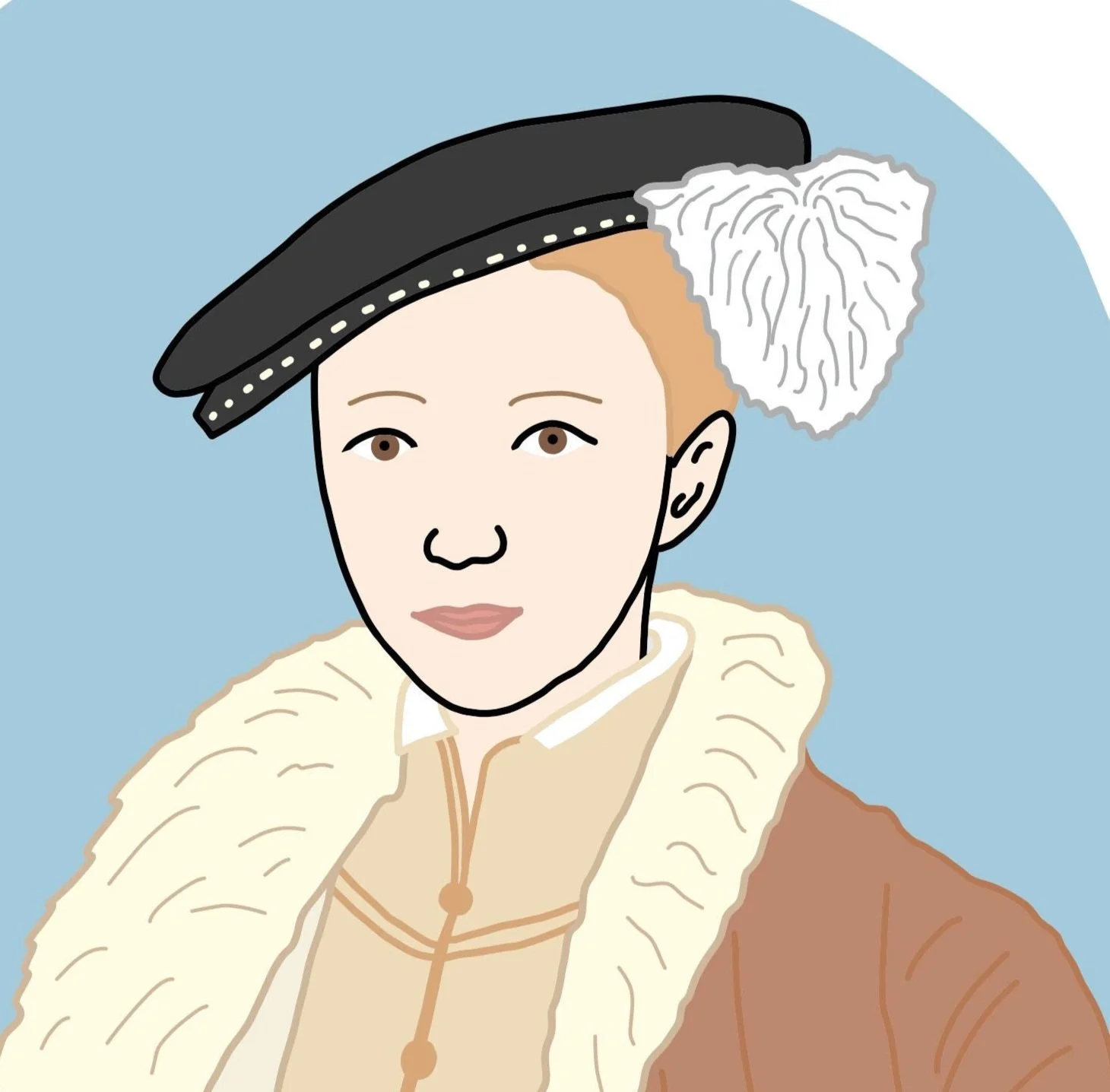
Death of King Edward VI
1553 - King Edward VI of England died at the age of 15. He left the throne to his cousin, Lady Jane Grey, after declaring his half-sisters to be illegitimate. Jane Grey was never crowned queen because just nine days later Edward’s older sister Mary claimed the throne with popular consent.
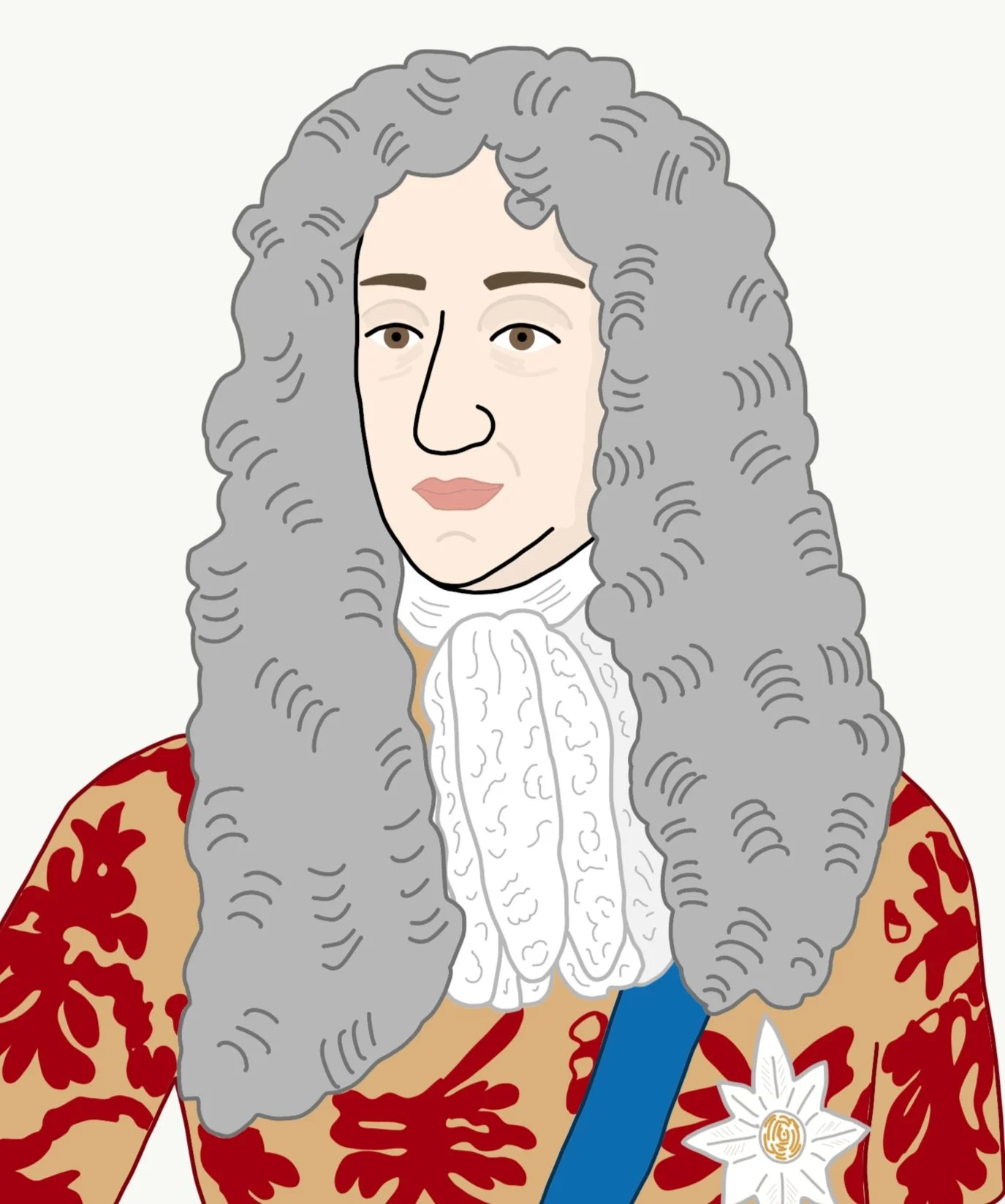
King James II retained the crown
1685 - The Battle of Sedgemoor took place where King James II defeated the Duke of Monmouth (the illegitimate son of King Charles II) who was trying to overthrow his uncle the king and take the English throne for himself.