July 7th - 13th
On 7th July…
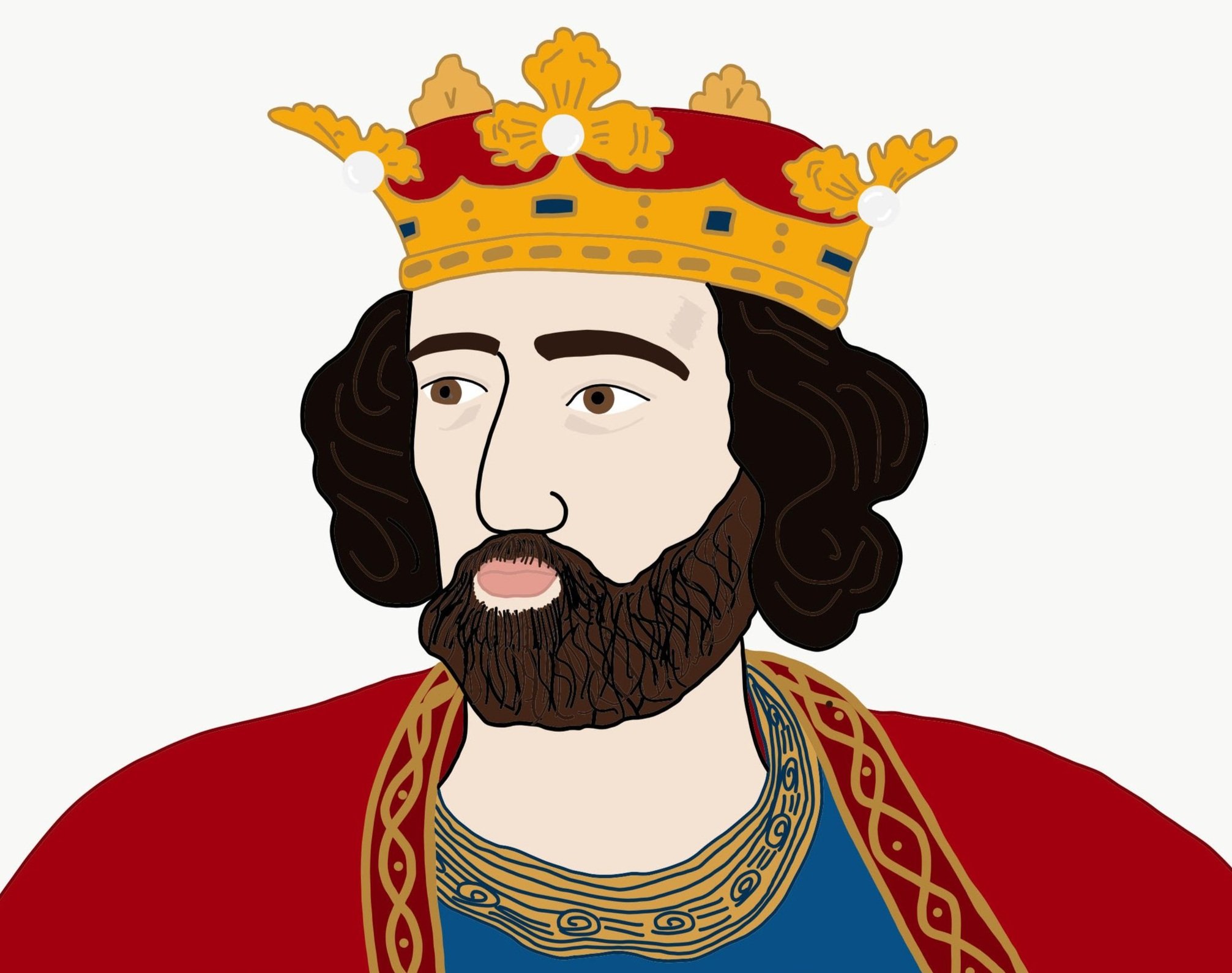
King Edward I died
1307 - King Edward I of England died whilst on his way to fight Robert the Bruce, king of Scotland,
1928 - Sliced bread was sold for the first time in Missouri, America.
On 8th July…
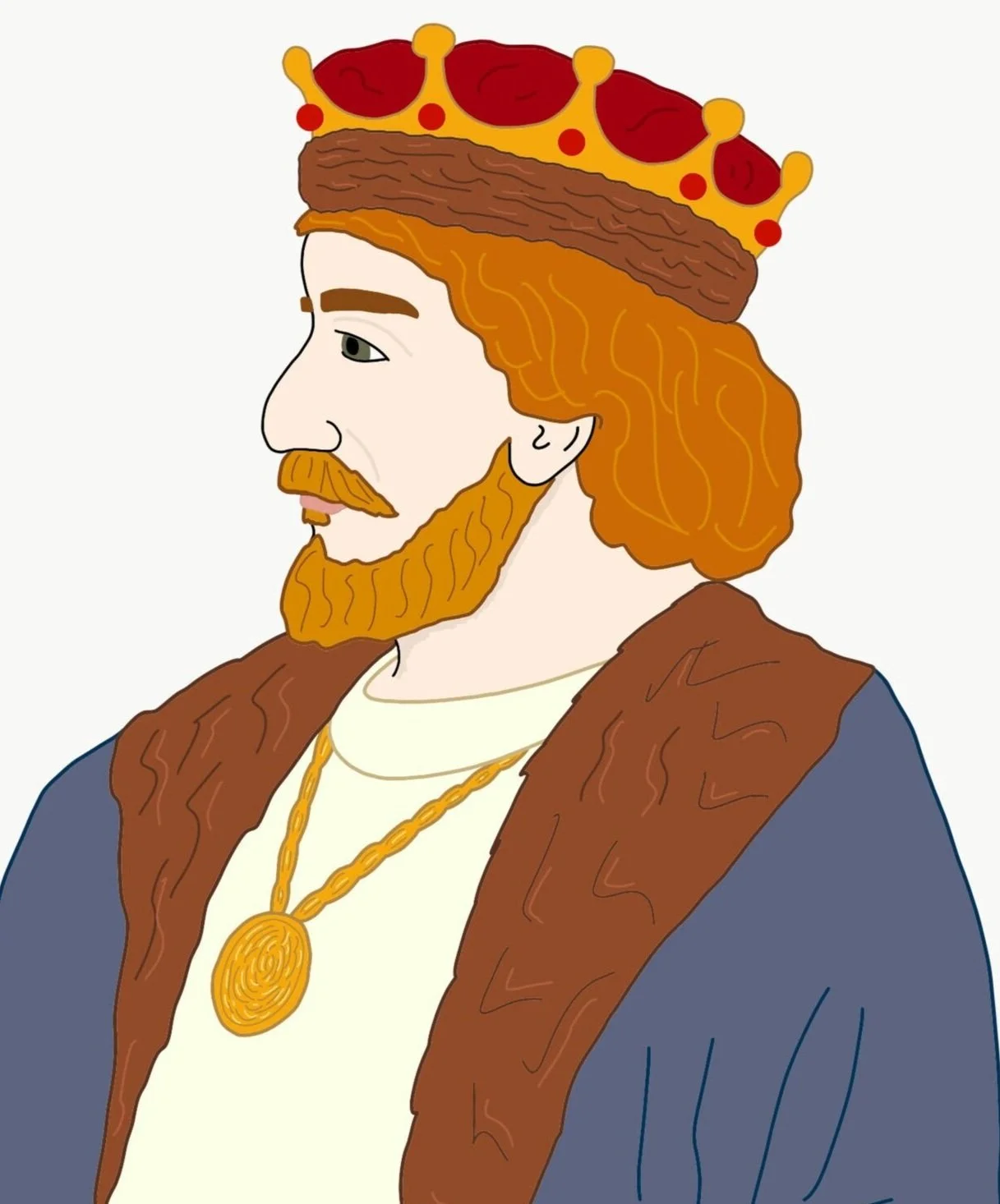
Death of King Edgar the Peaceful
975 - King Edgar of England died. Edgar was born in 943 and became King of Mercia and Northumbria at the age of 14 years. Two years later he became king of Wessex and therefore King of all England. His reign was very peaceful which explains his nickname, Edgar the Peaceful.
1497 - The Portuguese explorer, Vasco da Gama departed on his first voyage. Sailing from Lisbon, he become the first European to reach India by sea.
On 9th July…
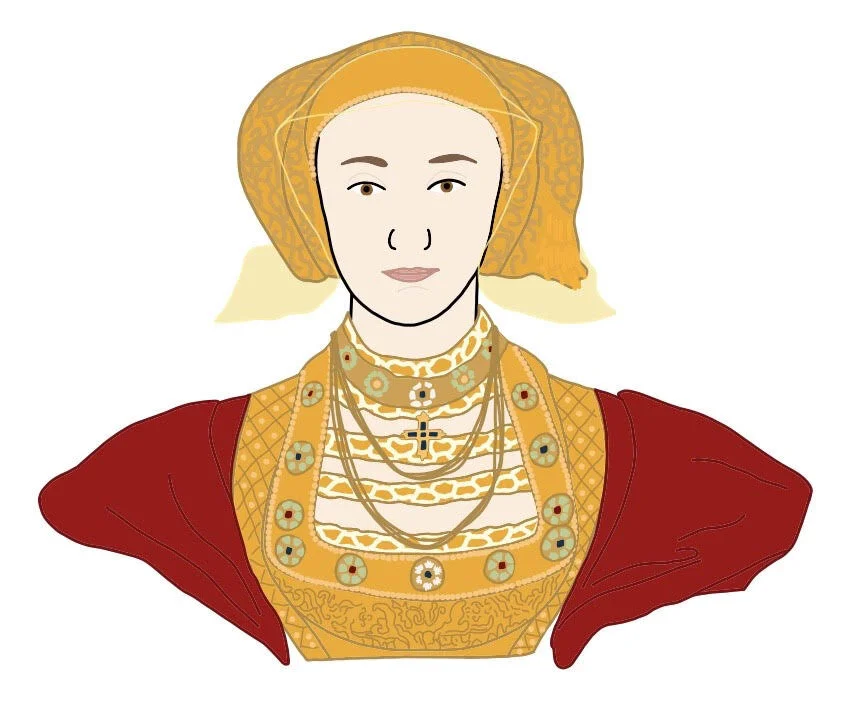
Anne of Cleeves divorced by King Henry VIII
1540 - Henry VIII divorced his fourth wife, Anne of Cleves. Anne did not make any fuss about the divorce and remained friends with Henry who gave her a large yearly allowance and properties to live in, including Hever Castle in Kent.
1877 - The first Wimbledon Lawn Tennis Championships were held. No women were allowed to enter the tournament until 1884. The first men’s singles title was won by Spencer Gore.
1937 - The English artist David Hockney was born in Bradford. He is considered to be one of the most influential British artists of the 20th century.
On 10th July…
138 - Hadrian, the Roman Emperor died. He ordered the construction of Hadrian’s Wall to keep out the invading northern barbarian tribes of Caledonia (Scotland). The wall is 73 miles and spans across the width of England from Bowness on Solway in the west to Wallsend on the River Tyne in the east.
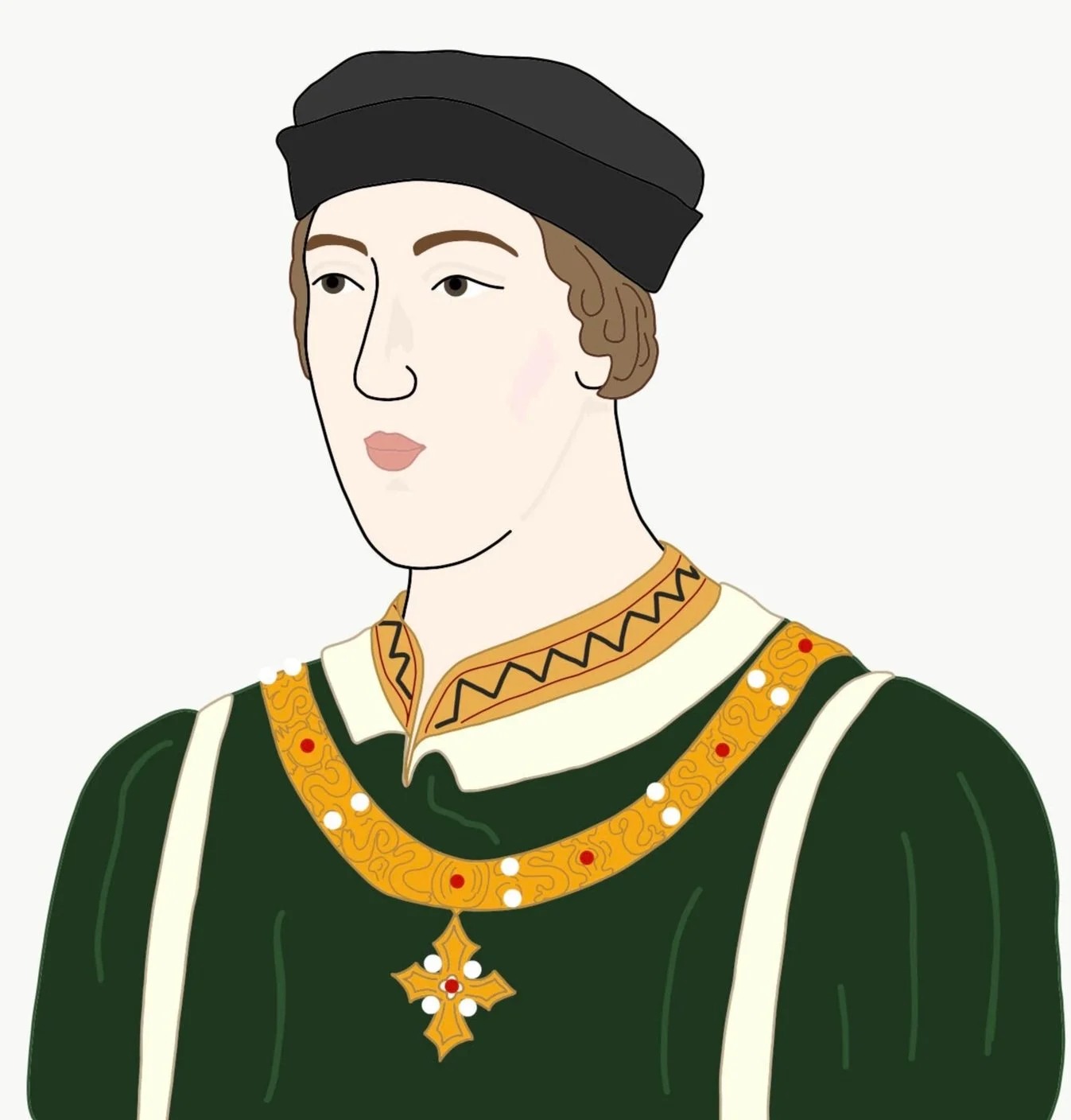
King Henry VI defeated in battle
1460 - Wars of the Roses - Richard of York defeated and captured King Henry VI at the Battle of Northampton. Richard tried to claim the throne but eventually settled on the right to succeed the throne when Henry died. This meant that Henry’s son, Edward would have no claim to the throne upon his father’s death.
1645 - Royalist forces were defeated by Oliver Cromwell’s parliamentarian New Model Army led by Sir Thomas Fairfax at the Battle of Langport in the English civil war.
1940 - The Battle of Britain began in World War II when the Germans started a long series of bombing raids against Britain and her ships. It was to last three and half months beginning with attacks on British ships and ports; the Battle of Britain was fought in the air.
On 11th July…
138 - Antoninus Pius became Emperor of Rome after Hadrian died. Antoninus ordered the construction of the Antonine Wall which is further north in Scotland than the wall Emperor Hadrian had ordered to be built. The Antonine Wall stretched between the rivers Clyde and Forth. It was a 36-mile long barrier attempting to keep the Northern tribes including the Picts from invading the Roman ruled lands. Unlike Hadrian’s Wall it was not built of stone but was constructed out of layers of turf reaching up to 3 metres in height and had a huge ditch along the northern edge. The ditch was 5 metres deep in places and the earth that was dug out of the ditch was thrown into a pile which created a second, outer mound. The wall was guarded by 6,000 - 7,000 soldiers who were stationed in 17 main forts and additional smaller ‘fortlets’ along the 36-mile barrier.
1274 - Robert the Bruce, king of Scotland was born. He defeated the English at the Battle of Bannockburn and re-established an independent Scottish monarchy. He is also known as King Robert I of Scotland.
On 12th July…

Henry VIII married his 6th wife, Katherine Parr
1543 - King Henry VIII married his sixth wife Katherine Parr at Hampton Court Palace. Katherine was the first English queen to publish and write her own books. She cared for and nursed Henry in the last years of his life. And in the rhyme we use to remember the fates of Henry VIII’s wives ‘divorced, beheaded, died, divorced beheaded survived’ Katherine is the queen who survived.
On 13th July…
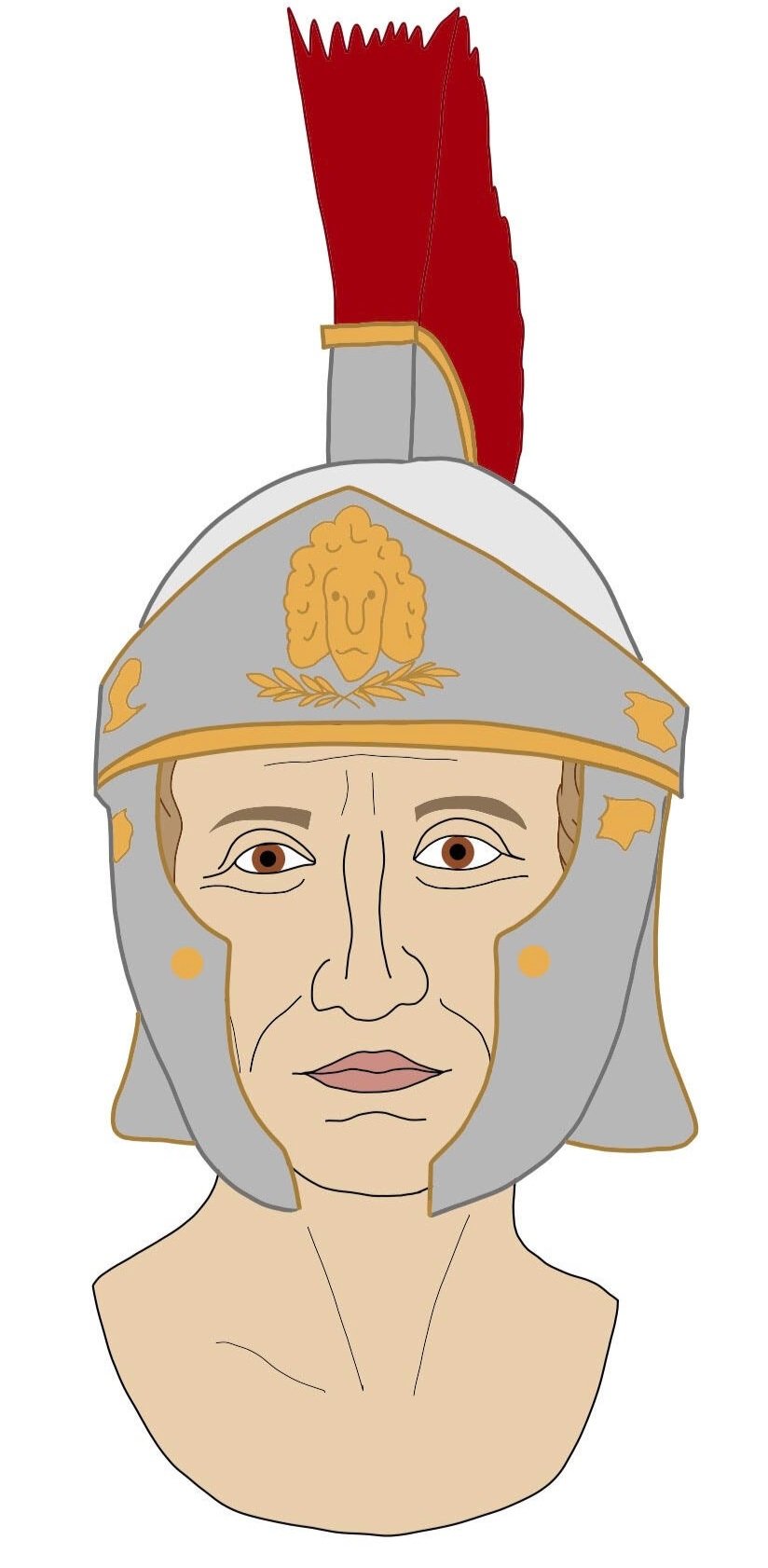
Birth of Julius Caesar
100BCE - Julius Caesar is thought to have been born on this day. Although he never became an emperor, Julius Caesar is possibly the most famous of all Roman military and political leaders. It was his strong desire to become ‘King of Rome’ that led to his eventual downfall. The Roman Senate, who were the people that made all of the decisions, a bit like our government today, did not like Caesar’s growing power and popularity, and decided that they needed to put an end to it. A group of men from the Senate, including some of Julius Caesar’s closest friends got together and ended his power by stabbing him to death.