December 29th - January 4th
On 29th December…
1170 - Archbishop Thomas Becket was assassinated in Canterbury Cathedral by four of King Henry II’s knights. The knights had believed that the King wanted Thomas dead because in temper he had said something along the lines of, “who will rid me of this meddlesome priest?” At one time the king and Thomas Becket had been good friends but after Thomas had been promoted to the rank of Archbishop his character changed and he was no longer supportive of the king. Thomas became very pious and sided with the church and the Pope in its disagreements with King Henry. The murder sent shockwaves throughout Europe and the Church and the knights were later punished for their wrongdoing.
1800 - Charles Goodyear the inventor of vulcanised rubber was born in Connecticut, U.S.A. He made his discovery by accident when he dropped some India rubber mixed with sulphur onto a hot stove. Sadly, although his invention made millions for others, he died with debts of $200,000.
1916 - Grigori Rasputin was murdered by the Russian nobility. He was a Russian monk and confidant of Tsar Nicolas II and his wife, Alexandra, and he had helped care for their son Alexei who suffered with haemophilia (a blood clotting disease). Despite being humble and a holy man in front of the royal family, outside of their company Rasputin was badly behaved, not at all religious; he also had a lot of girlfriends. The Tsar refused to believe the stories of Rasputin’s bad behaviour and kept him as a close confidant. Legend has it that it took several attempts to kill Rasputin before he eventually died. First he was poisoned with tea and cakes but failed to die; then he was shot but managed to run outside where he was shot again but he still didn’t die. The conspirators (who were trying to protect the Tsar) then tied Rasputin up and threw him into a frozen lake where he was trapped under the ice. He is said to have clawed at the ice from underneath before dying. A recent autopsy on his body suggests that he was only shot to death.
1940 - Over 100,000 bombs were dropped overnight on London including the first incendiary bombs during the Blitz of World War II. The devastation caused by the firestorm created by the bombs that night was larger than the area burnt down by the Great Fire of London of 1666.
On 30th December…
1460 - The Battle of Wakefield took place during the Wars of the Roses. Richard, Duke of York, was killed and the heavily outnumbered Yorkist forces were defeated by King Henry VI’s Lancastrian army. Richard’s head was displayed at the gates of York wearing a paper crown as a sign of disrespect and mockery at his attempts to take control of England. Following his death, Richard’s eldest son, Edward took up the fight for the right to the throne. Edward eventually went on to become King Edward IV of England.
On 31st December…
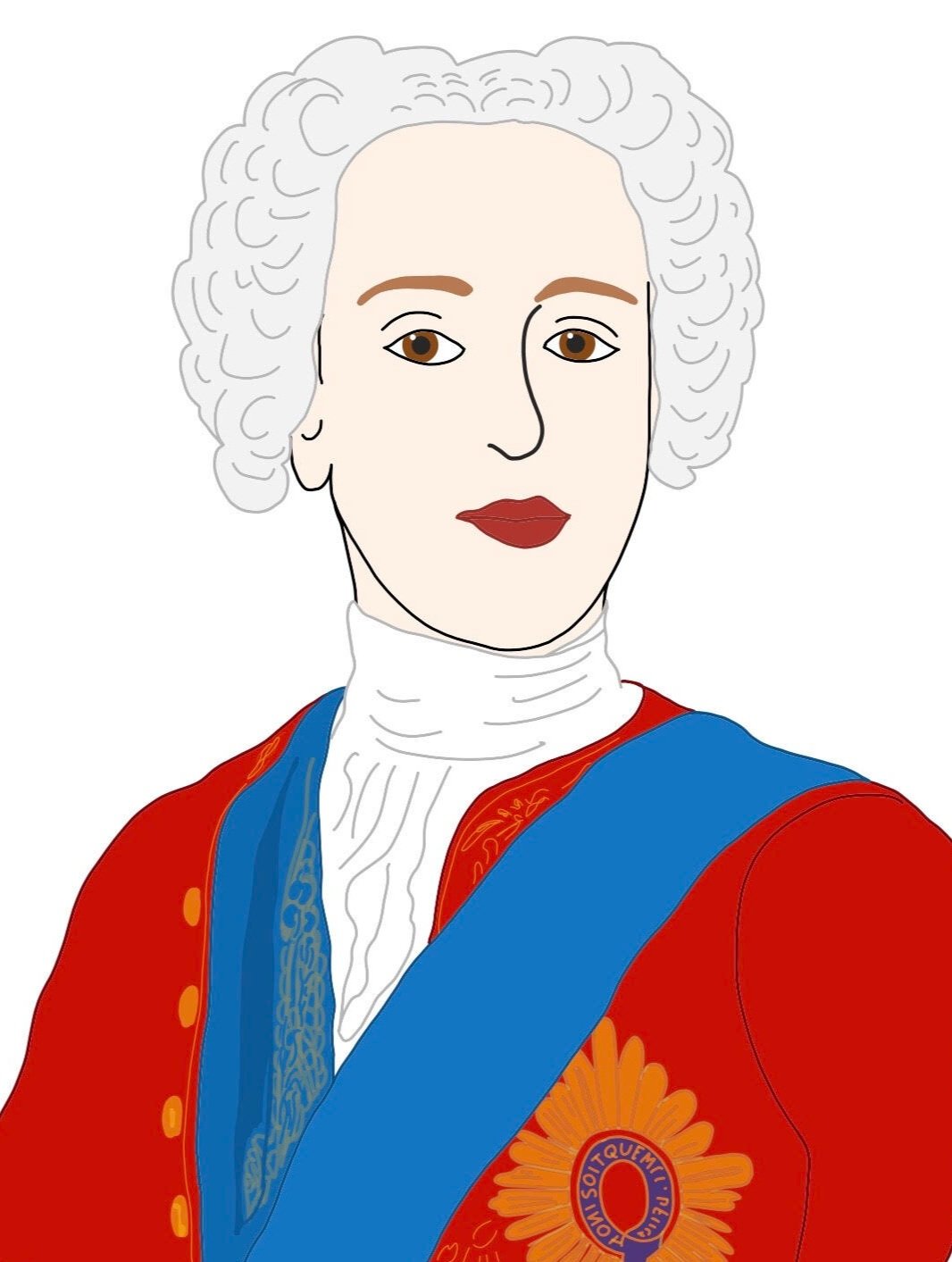
Charles Edward Stuart was born in Rome
1720 - Bonnie Prince Charlie, was born in Rome, Italy. His full name was Charles Edward Louis Philip Casimir Stuart, but he is better known as Charles Edward Stuart or Bonnie Prince Charlie. His grandfather was the deposed King James II of England. Bonnie Prince Charlie led the unsuccessful Jacobite rebellion as a young adult to fight for his father’s right to the English and Scottish thrones.
New Year’s Eve - The day the Western World begins to celebrate the coming of the New Year. Fireworks are lit and displayed in extravagant shows by towns and cities around the world at midnight.
On 1st January…
Happy New Year Happy New Year Happy New Year
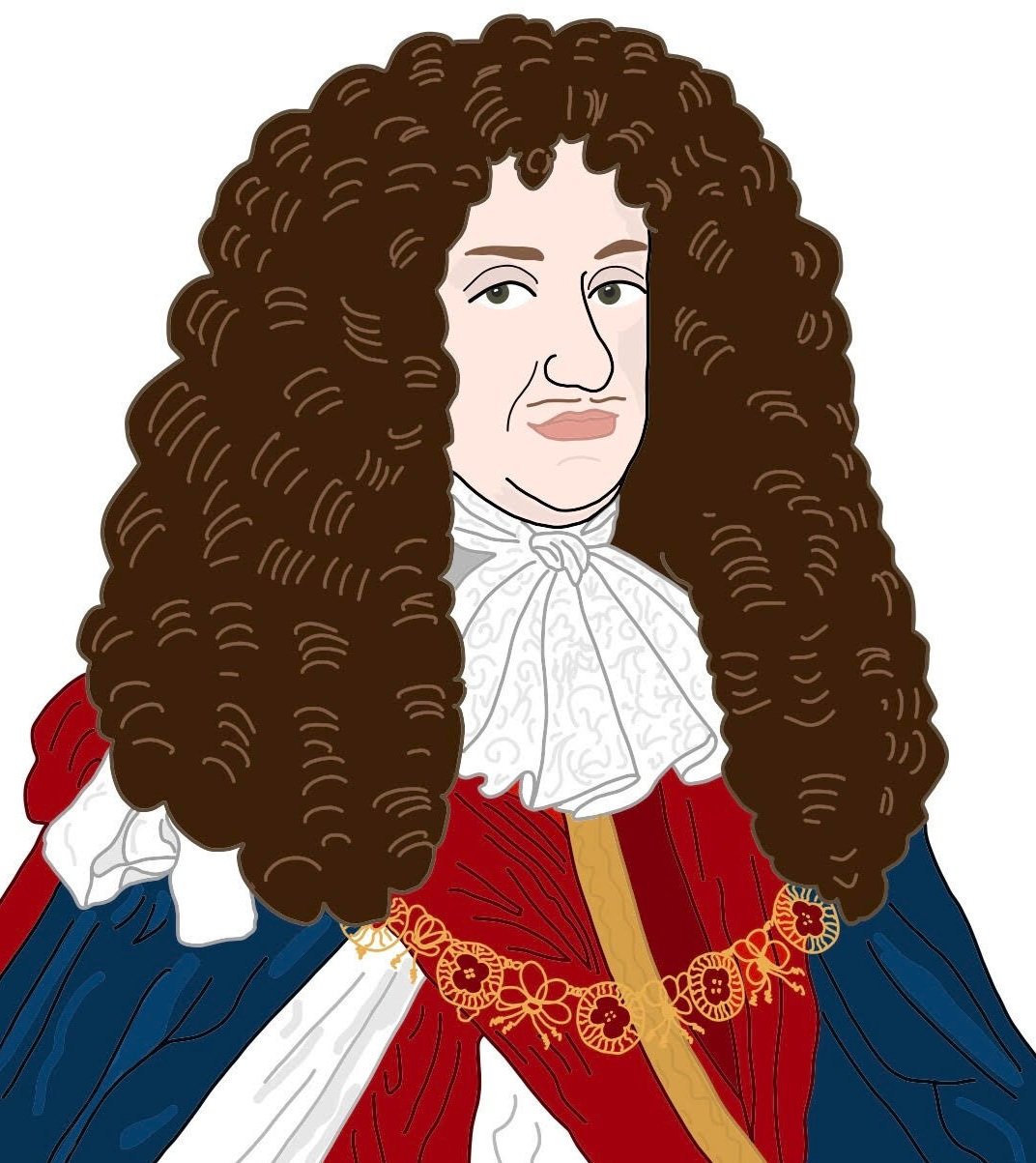
Scotland defied England and crowned Charles II as King of Scotland
1651 - King Charles II was crowned King Charles II of Scotland at Scone but by the beginning of September Charles had fled to France for safety. England at the time was without a monarch; it had executed King Charles I, the father of Charles II and was now being ruled by Parliament. Scotland, horrified by the decision to execute King Charles I, had invited his eldest son, also called Charles, to be its king. England was quite angry at this and began to fight the Scottish resistance defeating them in September at the Battle of Worcester, which is when Charles II decided to flee to France for his own safety. It wasn’t until 1660, nine years later, that England invited him back to be King of England when it restored the monarchy and had a king once more.
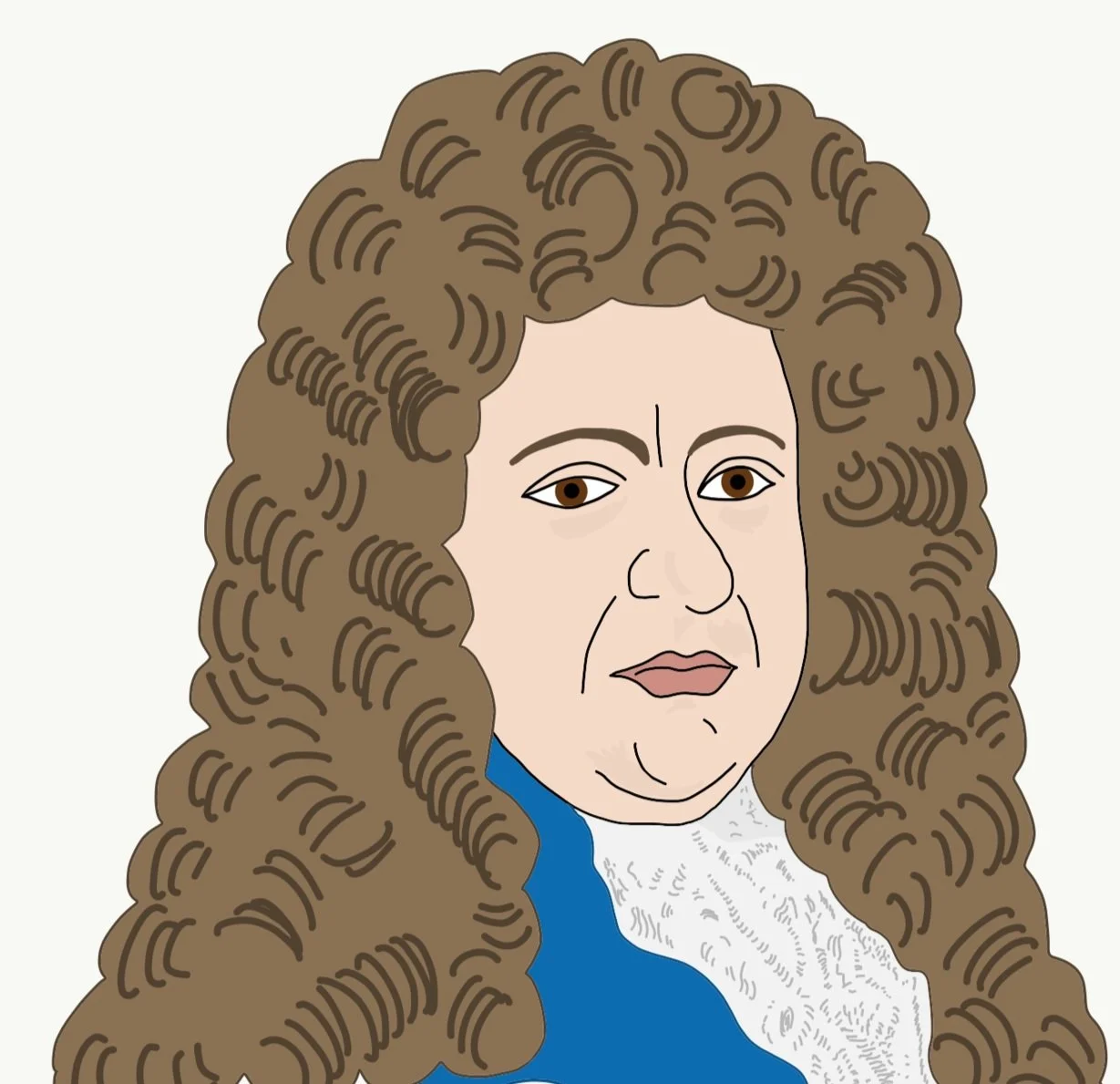
Samuel Pepys began to keep a diary
1660 - Samuel Pepys began writing in his diary. In it he wrote about the events of his time including detailed accounts of the Great Fire of London.
On 2nd January…
1727 - James Wolfe was born in Kent, England. He was a commander of the British army and led them to victory in Canada against the French at the capture of Quebec. This victory led to British supremacy in Canada. Wolfe died of battle wounds shortly after hearing of their victory.
On 3rd January…
1957 - The world’s first electric watch was introduced, it ran on battery power and never needed winding up. Until this time people used to keep their watches working by winding them up using the small dial on the side.
On 4th January…
871 - The Battle of Reading took place between invading Vikings from Denmark and an Anglo-Saxon army led by King Aethelred of Wessex. The Vikings won this battle forcing King Aethelred to retreat, but the war was not yet over, and another battle would take place in four days’ time.
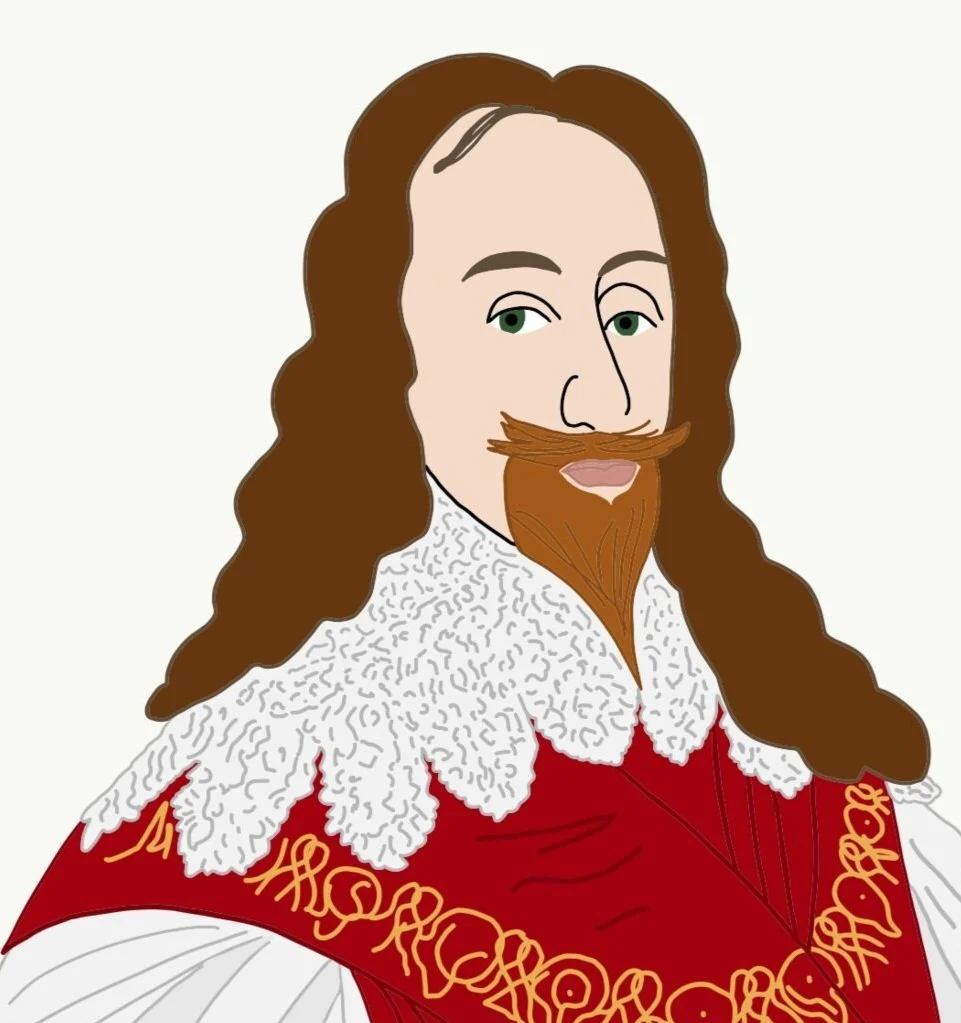
King Charles I sent 400 soldiers to arrest 5 men
1642 - King Charles I sent an army of about 400 soldiers to Parliament in order to arrest five men. They were to be arrested because of their petition against the king. The petition was called the Grand Remonstrance and contained over 200 clauses of complaints against the king and his reign. The men had been informed of their imminent arrest and were nowhere to be found when the soldiers arrived to arrest them.
The English Civil War started shortly afterwards.
1698 - The Palace of Whitehall was destroyed by a fire. It had been the centre of English royal power for 168 years, ever since Henry VIII took it from Cardinal Wolsey in 1530 and turned it into the most magnificent palace in Britain. The fire began when a maid left some sheets drying near an open fire; they caught alight and the fire quickly spread through the timber framed building. It raged for over 15 hours and by the time it had died down all that was left was the Banqueting House which still stands in Whitehall today.
1809 - Louis Braille was born in France. He was left blind after an accident when he was just three years old; he had been playing with his father’s tools when one slipped and plunged into his eye. When he was 15 years old, he successfully developed a simplified version of reading and writing for the blind after an exhibition of a similar system at his school.