December 15th - 21st
On 15th December…
37CE - Emperor Nero, the fifth emperor of the Roman Empire was born in Italy.
1832 - Gustav Eiffel, the architect and designer of the most famous building in France, the Eiffel Tower, was born in Dijon, France. Did you know that he also designed the framework for the Statue of Liberty in New York?
1906 - The Piccadilly Line on the London Underground opened. At the time it was the longest underground line in the world running from Finsbury to Hammersmith at 14.5 km long; today it is 71 km long and has 53 stations along its line. It runs from Cockfosters in North London to either Heathrow or Uxbridge in West London. Do you know what colour represents the Piccadilly Line on the London Underground map?
2015 - Major Tim Peake, became the first British astronaut to serve a mission on the International Space Station. He remained in space for 186 days before returning to Earth.
On 16th December…
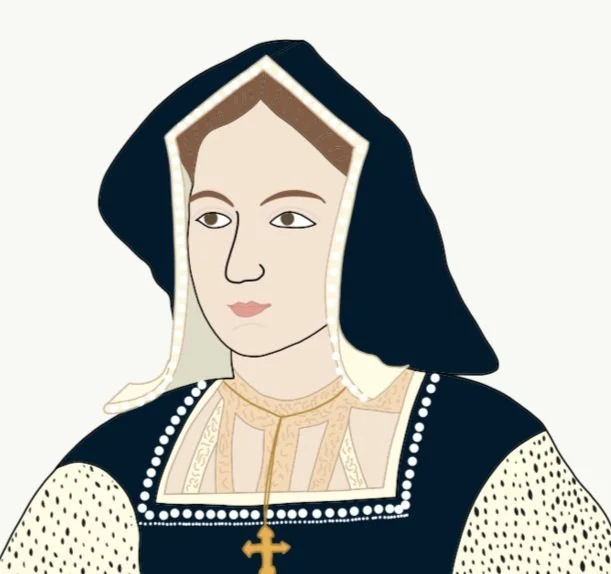
Catherine of Aragon was born in Spain
1485 - Catherine of Aragon, the first wife of King Henry VIII was born in Madrid, Spain. She had been married to Henry’s older brother Arthur, but he died five months after their wedding, leaving Catherine a widow at the age of 16 years. After a lot of arguing about money and her dowry, Catherine became engaged to Henry VIII. They married shortly after Henry became king. Together they had six children but only one survived, a daughter who lived to become Queen Mary I.
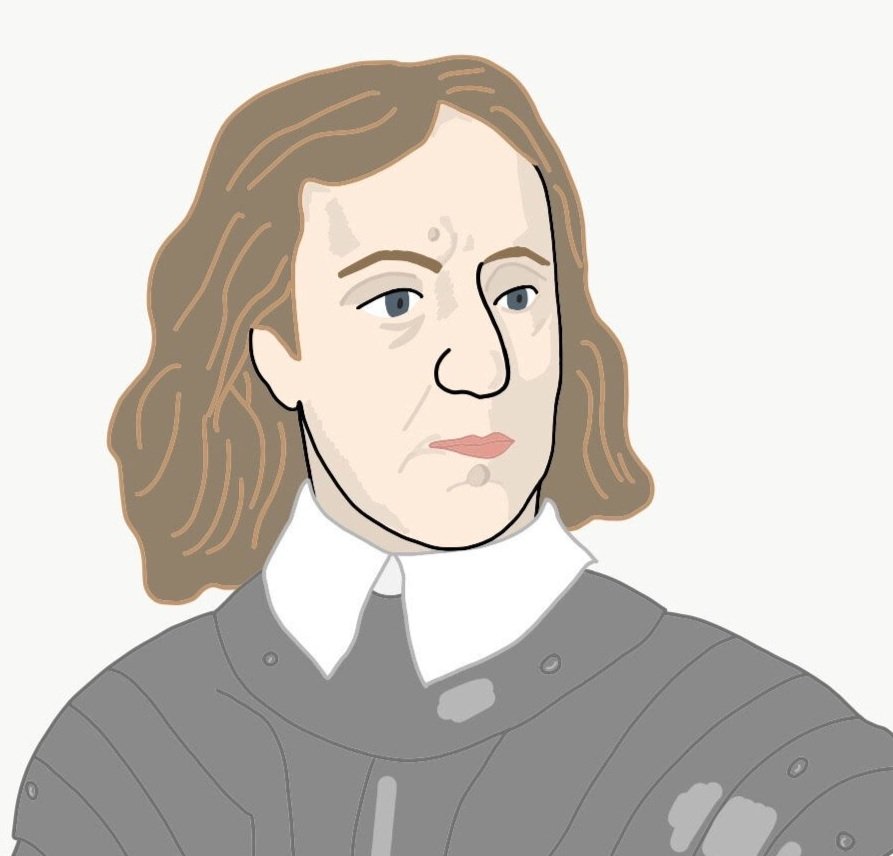
England appointed a Lord Protector
1653 - Oliver Cromwell was appointed Lord Protector of England, Scotland and Ireland following the English Civil War and the execution of King Charles I. Following the execution of the king in 1649 there had been a Rump government ruling the country, but this had proved to be ineffective mainly because it took the politicians too long to agree on decisions that needed to be made. They decided to elect one person, Oliver Cromwell, to oversee the running of both Parliament and the country, that person was to have the title of, Lord Protector.
1689 - The Bill of Rights was given Royal assent, a royal approval, by King William III and Queen Mary II who had been asked by Parliament to take the throne from Mary’s father King James II. The Bill limited the powers of the Crown by giving more power to Parliament. It also ensured that only Protestant monarchs would sit on the throne.
1775 - The famous English author, Jane Austen, was born in Hampshire, England. One of her most famous novels is Pride and Prejudice.
On 17th December…

Henry VIII excommunicated from the Roman Church
1538 - King Henry VIII was excommunicated from the Catholic Church by Pope Paul III. Excommunication had been threatened by the previous pope, Clement VII, when King Henry’s divorced of Catherine of Aragon but it had been suspended in the hope that the king would ‘start to behave’. Henry had previously been awarded the honour ‘Defender of the Faith’ by Pope Leo X for his defence of the Catholic Church against the Protestant Martin Luther so it was possibly hoped that he would again be faithful to the Church.
By the time of his excommunication, Henry had divorced Catherine, married and executed Anne Boleyn, married and buried Jane Seymour (she died after giving birth to their son Edward), executed two leading bishops, desecrated religious shrines, and taken Church lands and treasures for himself as Supreme Head of the Church of England. The worst possible punishment that the Roman Church, headed by the Pope, could inflict on Henry was excommunication.
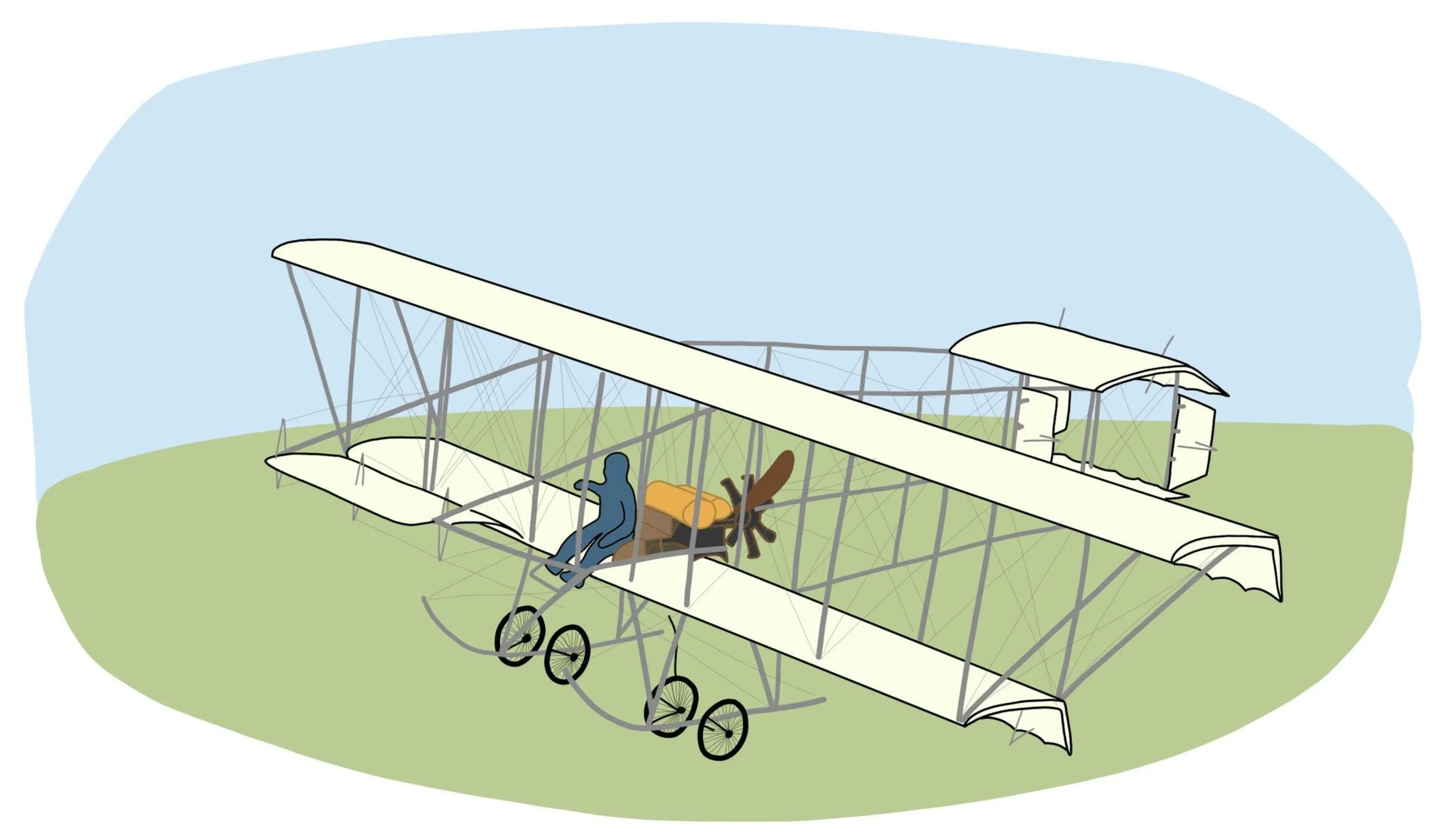
First flight by man
1903 - Orville and Wilbur Wright, two brothers, made the first flight by a motorised aircraft at 10:35am in Kitty Hawk, North Carolina, in the U.S.A. Orville Wright flew 36 metres in 12 seconds on the first attempt; Wilbur flew 53 metres in 12 seconds on the second attempt; then Orville flew again this time for 60 metres in 15 seconds and finally on the last flight of the day Wilbur flew the airplane 259 metres in 59 seconds. Their plane is on display at the National Air and Space Museum in Washington D.C.
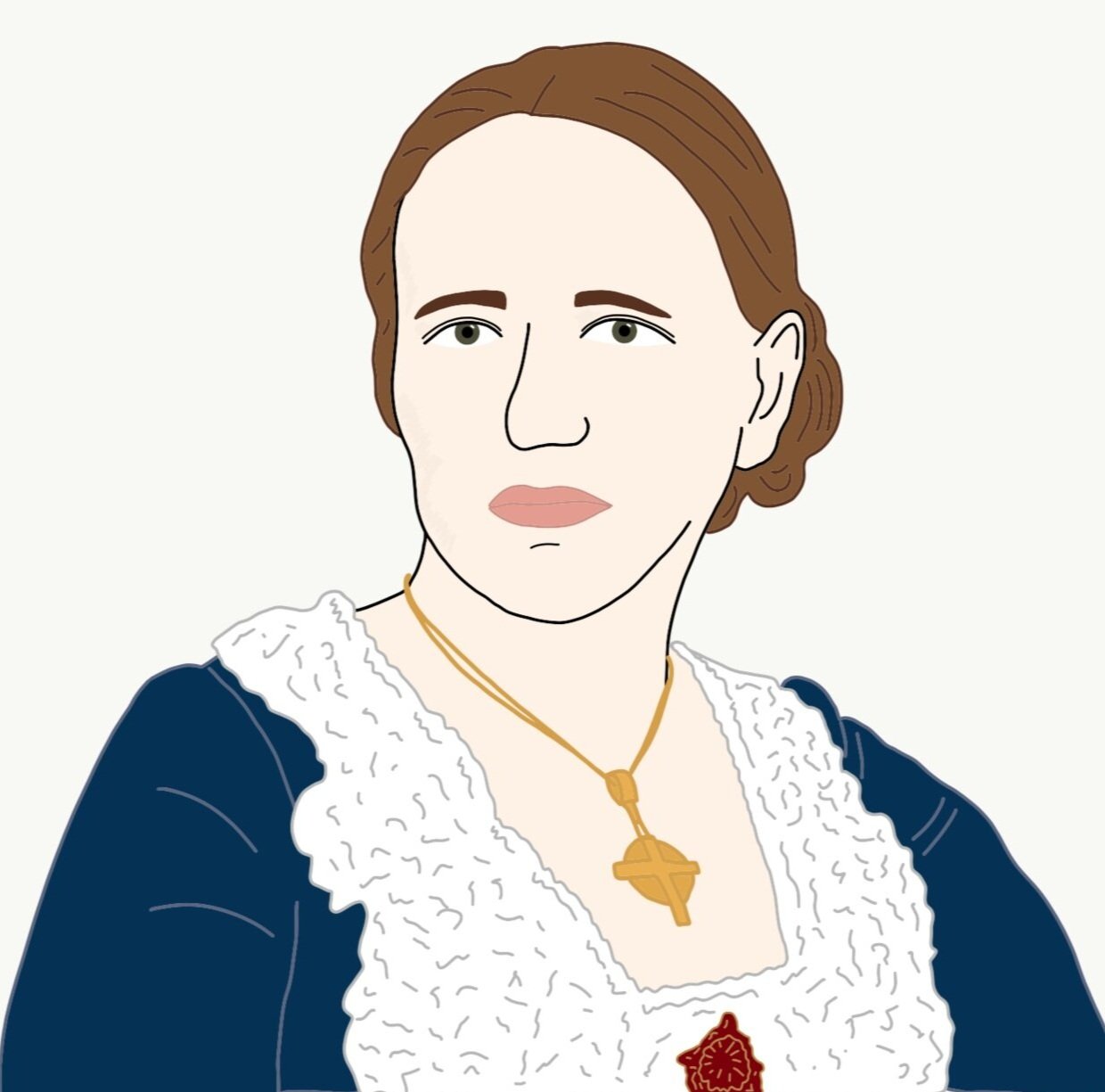
First English Female GP Died
1917 - Elizabeth Garrett Anderson died. She was the first English female physician (doctor, GP) and founded the first hospital staffed by women. It all happened because she was turned down at every step for being a woman. Back then women weren’t allowed to study medicine and were even denied entrance to medical schools so Elizabeth enrolled as a nursing student and sneakily began attending classes that were for men only. After complaints about her presence in the classes she was banned from attending any more. Undeterred, Elizabeth continued to study by herself and decided to take apothecary exams (pharmacist exams) because despite not being allowed to be doctors, there was no rule stopping women from being pharmacists. Elizabeth passed the exams with flying colours and gained a certificate to dispense medicines. The rules were changed soon after to stop any other women from being able to do this.
But dispensing medicines wasn’t enough for her, Elizabeth still wanted to be a doctor; so she learnt French and went to France where women were allowed to study medicine. She gained her medical degree and became a doctor but back in England the British Medical Board refused to recognise her qualification. So instead, she set up her own hospital and staffed it entirely with women.
Elizabeth’s will and determination led to a change in the law in 1876 when an Act was passed finally allowing women to enter the medical profession.
On 18th December…
1778 - Joseph Grimaldi was born in London into a family of dancers and entertainers. He was performing on stage at the age of four with the Sadler’s Wells Theatre and became famous for his clown performance in the pantomime ‘Harlequin Mother Goose’. In this production his clown had a white painted face and united the combination of criminal with innocent fool. His portrayal of the clown was adopted by many others and has become the norm for clowns ever since.
On 19th December…
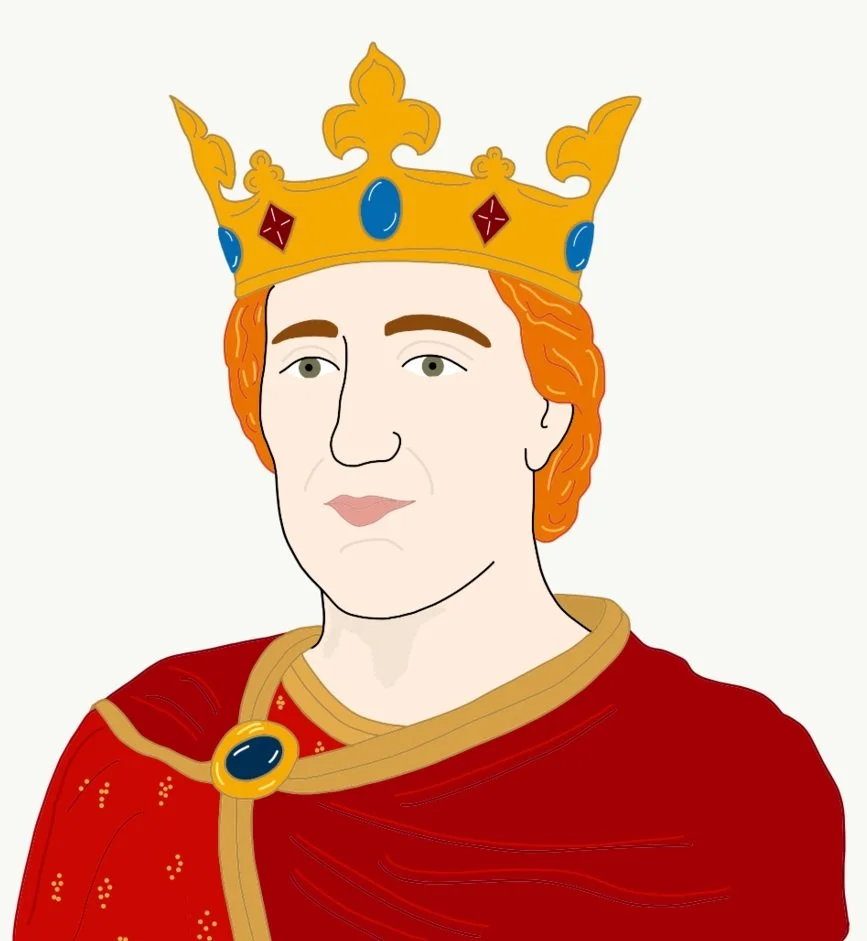
Henry II was crowned King of England and began the reign of the Plantagenet Dynasty
1154 - King Henry II was crowned King of England at Westminster Abbey alongside his wife Eleanor of Aquitaine. Henry had been king since the October when his uncle, King Stephen, had died. King Stephen had nabbed the English crown from Henry’s mother the Empress Matilda, daughter of Henry I. The original plan was that the English barons and Stephen would honour their pledge to King Henry I that Matilda would inherit the throne upon his death, but they went back on their word and crowned Stephen as king. After years of civil war called ‘The Anarchy’ between Stephen and Matilda, a treaty was signed stating that Matilda’s son Henry would become king upon Stephen’s death. With Henry II now on the throne, the crown was back where it belonged. His reign marked the start of the Plantagenet dynasty on the English throne.
1783 - At the age of 24 years, William Pitt the Younger became the youngest ever British Prime Minister.
1843 - Charles Dickens’ story ‘A Christmas Carol’, was published for the first time. It is a story of how Ebenezer Scrooge was visited by three ghosts on Christmas Eve to encourage him to change his mean and miserly ways. The book was so popular that it sold out in just a few days.
1851 - The famous, English, landscape artist J.M.W. Turner died of cholera. He is buried in St Paul’s Cathedral in London.
On 20th December…
860 - King Aethelbald, an Anglo-Saxon king of the English kingdom of Wessex died. He was an older brother of King Alfred the Great.
On 21st December…
1988 - A jumbo jet travelling to New York from London was blown out of the sky by a terrorist bomb. It had been flying for 38 minutes and was at an altitude of 31,000 feet (9449 metres) when a bomb onboard exploded sending the plane plummeting to the ground. It fell onto the Scottish town of Lockerbie, killing all passengers and crew on board plus 11 people on the ground. It is the worst aviation incident to take place in the U.K.